Choosing a ride-on toy in 2026 involves more than comparing colors, speeds, and battery sizes. Parents must ask, “what is the difference between manual and electric ride on toys?” The answer affects control, movement, supervision, cost, and daily enjoyment. Manual models depend on a child’s feet, body strength, or an adult’s push. Electric models use a rechargeable battery and motor. That difference changes the entire play experience.
Dr. Amanda Gummer, a child-development and play expert, has said, “The best toys are those that engage children in active, imaginative play.” Her perspective is useful here. A manual ride-on can encourage balance, leg movement, and independent effort. An electric model may offer longer rides across flat paths, with less physical exertion. However, power does not automatically mean better play. Sometimes, it only means a faster trip to the garden gate.
This guide will compare both choices through practical details. It will examine age suitability, steering control, battery care, weight limits, terrain, noise, and adult supervision. A small manual car may work well indoors or on smooth patios. A larger electric jeep may need more storage space and careful charging habits. I have seen buyers focus on maximum speed, then overlook turning space and braking practice. That is an easy mistake. Children also develop differently, so manufacturer guidance cannot replace observation. The best choice may be less exciting on paper. It should feel manageable, durable, and appropriate for the child using it. Safety remains the clearest measure of value.
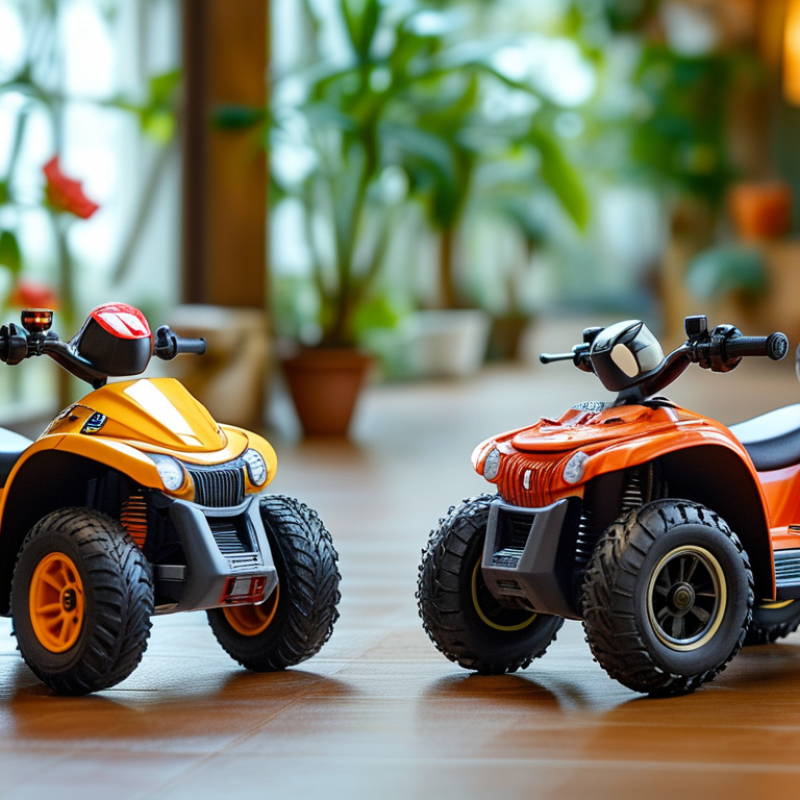
What Are Manual and Electric Ride-On Toys?
Manual and electric ride-on toys look similar, but their movement systems create very different play experiences.
A manual ride-on moves through a child’s pushing, pedaling, or adult guidance. It needs no battery, charger, or motor. An electric ride-on uses a rechargeable battery, motor, accelerator, and usually controlled forward or reverse functions. The child experiences movement with less physical effort.
Grand View Research’s 2024 ride-on toys market analysis estimated the global market at about USD 1.8 billion in 2023, reflecting strong interest in both formats. That figure describes market demand, not product quality. It should not replace hands-on inspection.
In practice, manual models suit indoor floors, short paths, and children learning balance. Electric models work better outdoors on firm, flat surfaces with active adult supervision. Check the seat fit, steering response, stopping method, battery enclosure, and maximum user weight. A six-year-old may understand the controls, yet still misjudge a slope or doorway.
The U.S. Consumer Product Safety Commission reported an estimated 231,700 toy-related emergency-department injuries among children under 15 in 2023.
The figure covers all toys, not ride-ons alone. That distinction matters. I would not treat age labels as perfect. They are starting points. A slow manual toy can still roll into furniture, while a low-speed electric toy can surprise a child on wet ground. Test the toy yourself first. Then watch the child use it.
How Manual and Electric Ride-On Toys Work
How Manual and Electric Ride-On Toys Work
Manual ride-on toys move through the child’s own leg power. Feet push against the ground, turning effort into forward motion. The steering system usually transfers hand movement directly to the front wheels. This makes speed easier to feel and control. It also creates a quieter play experience.
Electric ride-on toys use a rechargeable battery, motor, controller, and reduction gears. Pressing the pedal sends current through the controller. The motor then turns the wheels through the gearbox. Higher torque helps the vehicle cross grass or small slopes, but it can also create sudden movement. A 2024 Grand View Research report estimated the global ride-on toy market at over USD 1.6 billion, reflecting strong demand for powered play products. The report also notes growing interest in battery-operated designs.
Battery performance depends on weight, surface, temperature, and driving habits. A child riding on concrete may travel farther than one riding on thick grass. Real use is rarely as neat as a product chart suggests. Charging time can also change as the battery ages. The U.S. Consumer Product Safety Commission reported an estimated 231,700 toy-related emergency department injuries among children under 15 in 2023; this figure covers all toys, not only ride-ons. ASTM F963-23 addresses toy safety requirements, while responsible design still needs practical speed control, stable seating, and protected wiring. Small details matter. A loose pedal can change the whole experience.
Which Features Matter When Comparing the Two Types?
Choosing between manual and electric ride-on toys starts with the child’s daily play environment.
Manual models encourage pushing, steering, and physical coordination. They suit flat floors, short paths, and children who enjoy active movement. Electric models provide motor-assisted travel, often with simple controls and adjustable speed settings. They may work better outdoors, especially on firm grass or longer driveways. However, heavier frames can be difficult to move when the battery is empty. That detail is easy to overlook.
Compare the controls carefully. A large steering wheel, responsive brakes, and a clear power switch support safer handling. Check whether the seat keeps a child’s feet stable during turns. For electric toys, inspect battery access, charging time, and runtime under realistic conditions. A toy may claim extended play, but slopes, weight, and rough ground reduce performance. Manual toys need fewer repairs, though wheels and fasteners still require regular inspection. I have found that storage space matters more than expected. Some models quickly crowd a hallway.
Tips:
Match the toy to the surface first. Test steering before purchase. Choose manageable speed, not maximum speed. Check age guidance and weight limits. Supervise every ride, even in a familiar yard. Ask whether the child can stop independently. A short trial often reveals more than attractive specifications.
How to Match Each Toy Type to a Child’s Age and Skills
Choosing between manual and electric ride-on toys depends less on appearance and more on a child’s age, coordination, and judgment. Manual models suit younger children who are still developing balance and leg strength. A child around two may enjoy pushing with both feet, steering slowly, and stopping by planting their shoes. These simple actions build body awareness without adding motor speed.
Electric models require more layered skills. Many children aged three to five can manage a low-speed toy when they understand forward, reverse, and gentle steering. However, age labels are only a starting point. A taller child may reach the controls but still react slowly near walls or furniture. An adult should check the child’s weight, reach, attention span, and ability to follow one-step instructions. Short practice sessions work better than long rides.
The play area matters just as much. Use a flat, dry, enclosed space away from stairs, traffic, pools, and sharp edges. A helmet and close adult supervision remain sensible, even at low speed. Check the brakes, wheels, seat belt, and battery housing before each use. A common mistake is choosing a faster toy because a child seems excited. Excitement is not control. Children also develop unevenly; one may steer well but forget to stop. That detail deserves patience, and sometimes a simpler manual toy is the wiser choice.
What Safety, Maintenance, and Cost Factors Should You Consider?
Choosing between manual and electric ride-on toys starts with safety, not speed. The U.S. Consumer Product Safety Commission reported an estimated 231,700 toy-related emergency-room injuries in 2023. That figure covers all toys, not ride-ons alone, but it shows why supervision matters. Check brakes, steering, seat restraints, battery covers, and exposed wiring before every use. Smooth, enclosed wheels are safer near small fingers. Hard pavement deserves extra caution. Helmets remain sensible, especially for electric models.
Manual toys usually need less maintenance. Wipe away grit, tighten loose fasteners, and inspect wheels for cracks. Electric toys add charging routines, battery storage, and eventual battery replacement. A forgotten charger can become a trip hazard. Look for clear instructions and compliance with applicable toy-safety requirements, including ASTM F963 in the United States. The American Academy of Pediatrics also emphasizes age-appropriate riding equipment, helmets, and active adult supervision. Marketing claims are not safety evidence.
Cost calculations can be surprisingly uneven. The U.S. Energy Information Administration reported average residential electricity prices of about 16.5 cents per kilowatt-hour in 2024. A 12-volt, 7-amp-hour battery stores roughly 0.084 kilowatt-hours, so one charge may cost only a few cents. Replacement batteries, chargers, and storage matter more than electricity. Manual models avoid those expenses, but they may demand more pushing. I initially viewed manual as automatically cheaper; that assumption was incomplete. A driveway test, battery warranty check, and realistic maintenance budget often reveal the better fit.
2026: How to Choose Manual vs Electric Ride-On Toys?
This planning index compares the main ownership factors on a 0–10 scale. A higher score means the factor requires more budget, attention, or safety planning. The comparison uses typical consumer ride-on toy characteristics and excludes company or brand data.
Manual ride-on toys generally have lower purchase and maintenance costs because they do not require batteries, motors, chargers, or electrical repairs. Electric models usually provide powered mobility and greater convenience, but require battery charging, periodic battery replacement, closer speed supervision, and additional electrical safety checks.
Conclusion
Manual and electric ride-on toys offer children different ways to enjoy independent play. Manual models move through pushing with the feet, pedaling, or being guided by an adult, while electric models use a rechargeable battery and motor to provide powered movement. If you are asking, “what is the difference between manual and electric ride on toys,” the main differences involve how they move, the level of physical effort required, speed control, and the type of supervision needed. Manual toys can support balance, coordination, and active movement, while electric toys may provide a more realistic driving experience.
When comparing the two, consider controls, seating comfort, stability, weight limits, speed settings, battery life, charging time, and ease of cleaning or repair. Manual options may cost less and require simpler maintenance, whereas electric models can involve battery replacement and more components. Choose according to the child’s age, confidence, coordination, and ability to follow instructions. Regardless of type, use the toy in a suitable area, provide close supervision, and follow all safety guidance.
 KTG Car
