KTG Car
Parents often ask, “are licensed ride on toys worth it?” The answer depends on more than a familiar badge or realistic styling. A branded electric car may resemble a popular vehicle, complete with working headlights, dashboard buttons, and a small rechargeable battery. However, appearance does not guarantee better performance. A careful evaluation should examine build quality, motor strength, battery life, seat comfort, remote-control access, and replacement-part availability.
Real-world use reveals details that product photos often hide. A toy that moves smoothly across a flat patio may struggle on grass or a gentle slope. Some batteries last thirty minutes, while others lose power much sooner in cold weather. Parents should also check the recommended age, maximum weight, charging instructions, and included safety features. Look for clear manufacturer information and evidence of testing against recognized toy-safety standards. Reliable brands usually provide understandable manuals, customer support, and realistic product claims.
The logo is not everything.
A higher price can reflect stronger materials, licensed design fees, or better after-sales support. It can also reflect marketing. That is where judgment becomes difficult. I have seen children love a toy for one week, then ignore it when charging becomes inconvenient. A cheaper model may sometimes offer equal enjoyment. Still, its controls, plastic panels, or battery connector may feel less dependable. This guide will compare practical value, safety considerations, durability, and daily enjoyment. It will not assume that every licensed model deserves its premium. The better question is whether the toy fits your child, your space, and your expectations.
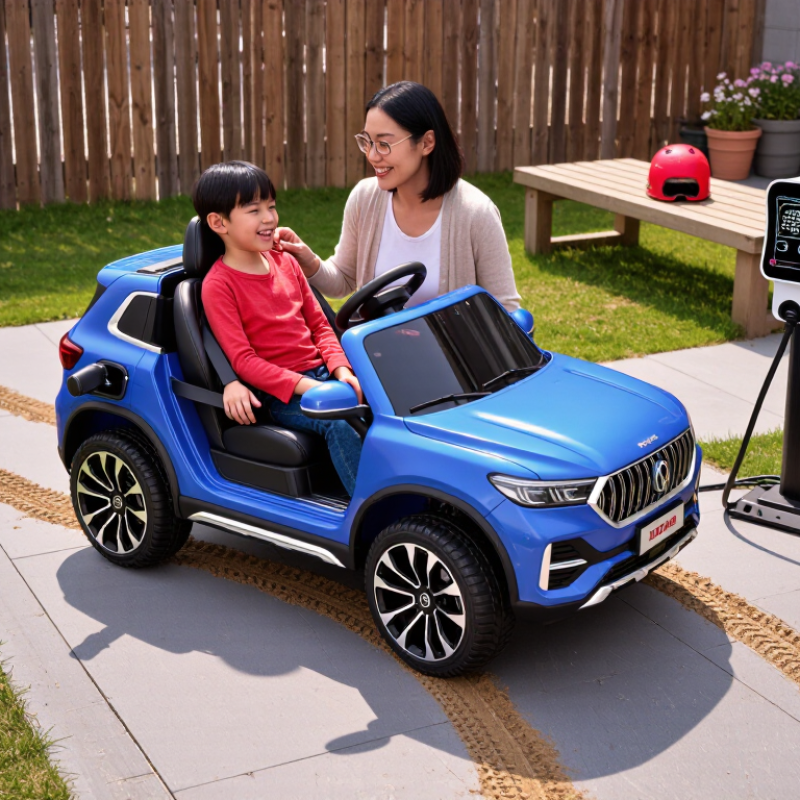
Licensed ride-on toys are officially authorized to use recognizable characters, themes, or visual designs. Generic models use original styling without those permissions. The difference appears in molded dashboards, printed controls, sound effects, decals, and packaging. These details can make a small vehicle feel like a miniature film prop. Sometimes, they only add decoration.
Licensing International’s 2024 Global Licensing Industry Study reported $356.5 billion in global licensed merchandise and services sales during 2023. This figure covers many categories, not ride-on toys alone. Still, it shows how strongly licensed design influences consumer demand. The license does not automatically improve the motor, battery, tires, or safety features. Inspect those parts carefully. Look closely.
In practical comparisons, licensed models often cost more because of authorization fees, specialized tooling, and custom packaging. A generic model may offer similar speed, weight limits, and charging time at a lower price. Check the product’s safety instructions, age range, assembly quality, and replacement-part support. Industry reports can explain market value, but they cannot confirm one toy’s real durability. That requires hands-on testing. A detailed inspection may reveal loose decals, awkward controls, or a battery that performs below expectations. The character design may be excellent, yet the ride experience can still disappoint.
Licensed ride-on toys often cost more because they reproduce recognizable vehicle designs. The appearance alone does not justify the price. Look for strong plastic panels, smooth edges, stable wheels, and a seat that supports the child comfortably. A realistic dashboard is attractive, but useful controls matter more. Parent-operated speed settings, gradual acceleration, and an emergency stop can improve everyday safety. That matters.
Battery performance also affects value. A dependable model should provide clear charging instructions, battery protection, and a charger with secure connections. Ask whether replacement batteries, wheels, and chargers are available. Without spare parts, an expensive toy may become difficult to maintain after one damaged component. Check the recommended age, maximum load, and riding surface carefully. A powerful motor may sound impressive, but excessive speed is rarely helpful for young riders.
Independent safety testing and transparent user manuals offer stronger evidence than decorative packaging. A written warranty can reveal how seriously the manufacturer supports its product. Noise level deserves attention too, especially indoors or near neighbors. Some licensed designs include lights and engine sounds, yet these features may drain the battery quickly. That trade-off is easy to miss. A higher price feels reasonable when it pays for durable construction, controlled performance, and reliable support. Still, expectations should remain realistic. No ride-on toy removes the need for supervision, regular charging checks, and occasional maintenance.
Safety starts with the toy’s real construction, not its licensed design. I inspect the seat, steering wheel, wheels, and battery compartment before considering appearance. Sharp edges, loose panels, or exposed wires are immediate concerns. The toy should include clear instructions, stable controls, and a reliable stopping system. A wide wheelbase can reduce tipping during gentle turns. Still, no design removes every risk.
Age appropriateness requires more than checking the number on the package. Compare the child’s height, weight, balance, and hand strength with the stated limits. A child should reach the controls without stretching. Their feet should rest comfortably, not dangle near moving wheels. Speed settings matter too. Younger riders usually need a slow beginner mode and close adult supervision. I once focused too much on age labels. That was a mistake.
Durability shows through small details. Look for thick plastic, protected wiring, strong axle joints, and replaceable tires or batteries. Test the doors, switches, and steering gently for looseness. A toy used on grass needs more robust wheels than one used indoors. Check whether replacement parts and safety guidance are available from a dependable source. Relevant safety certification for your region can add confidence, but it should not replace hands-on inspection. Some attractive models feel flimsy after a few weeks. That possibility deserves attention.
How to Tell if Licensed Ride On Toys Are Worth It?
Licensed ride-on toys often cost more than basic models. The higher price may cover approved designs, stronger body panels, and better-fitted controls. However, licensing alone does not prove durability. Check the battery type, motor output, weight limit, charger availability, and warranty terms before buying. A toy used on grass may consume more power than one used on smooth flooring.
Ownership costs continue after delivery. A replacement battery can become a major expense after regular seasonal use. Tires collect dust and small stones, while exposed connectors may loosen after repeated rides. Inspect the wheels, steering, seat belt, and charging port every few weeks. Keep the toy dry, charge it in a ventilated area, and follow the supplied charging schedule. Never use a damaged charger.
Small repairs matter.
I once underestimated storage costs. A covered space, floor mat, and lockable cabinet were not included in my original budget. That estimate was too optimistic. Cleaning also takes time, especially around pedals and wheel axles. Some parts may require tools or careful adjustment, so confirm that replacement components remain available. A qualified repair professional should handle electrical faults or damaged wiring. For families with limited storage and little maintenance time, a cheaper toy may become the more practical choice. A detailed cost sheet, including electricity, parts, and seasonal storage, gives a more honest ownership picture.
| Ride-On Toy Type | Typical Purchase Price (USD) | Recommended User Profile | Typical Battery or Power Cost | Expected Battery Life | Routine Maintenance | Typical Annual Maintenance Cost | Estimated 3-Year Ownership Cost | Main Advantages | Potential Drawbacks |
|---|---|---|---|---|---|---|---|---|---|
| 6-Volt Single-Seat Electric Ride-On | $120–$220 | Young children; smooth, flat indoor or outdoor surfaces | Replacement battery: $25–$45; electricity is usually less than $2 per year with normal home use | Approximately 1–2 years with regular use and proper charging | Wipe dirt from wheels, inspect wiring, tighten fasteners, and charge the battery after use | $10–$25 | $180–$340 | Lower purchase price, simple controls, and modest charging costs | Limited speed, shorter runtime, and reduced performance on grass or slopes |
| 12-Volt Single-Seat Electric Ride-On | $180–$350 | Children who need moderate outdoor performance on level ground | Replacement battery: $35–$70; electricity is generally less than $3 per year | Approximately 1–3 years, depending on storage, charging habits, and usage | Clean the drive wheels, check the charger and connectors, inspect tires, and test the brakes or stopping system | $15–$35 | $280–$600 | Good balance between price, runtime, and outdoor usability | Battery replacement is usually the largest recurring cost |
| 12-Volt Two-Seat Electric Ride-On | $300–$550 | Two children within the stated combined weight limit | Replacement battery: $40–$80; electricity is generally less than $3 per year | Approximately 1–3 years | Inspect the heavier-duty drivetrain, steering components, seat belts, wheels, and battery terminals | $20–$45 | $450–$850 | Shared use can improve value for families with more than one child | Heavier, less portable, and more sensitive to hills and heavier combined loads |
| 24-Volt Electric Ride-On | $300–$650 | Older or heavier children using the toy outdoors on firm, reasonably level surfaces | Replacement battery set: $60–$120; electricity is generally less than $5 per year | Approximately 1–3 years | Check drive gears, tires, steering alignment, wiring, battery condition, and fasteners more frequently | $20–$50 | $450–$950 | More torque, better performance on grass, and longer practical usability | Higher purchase price, greater weight, and potentially faster wear on drivetrain parts |
| Pedal-Powered Ride-On | $100–$300 | Children who can coordinate pedaling and steering; suitable for hard, level surfaces | No battery or charging cost; replacement tires or pedals may cost $15–$60 | Not applicable; mechanical parts can last several years with proper care | Lubricate moving joints, tighten pedals and axles, inspect tires, and remove dirt from the steering mechanism | $5–$25 | $120–$375 | No charging downtime, low operating cost, and straightforward maintenance | Requires physical effort and may be difficult to use on carpet, grass, or inclines |
| Remote-Control-Assisted Electric Ride-On | $220–$500 | Younger children who need adult assistance with steering or stopping | Replacement ride-on battery: $35–$90; remote-control batteries: approximately $5–$15 per year | Approximately 1–3 years for the main battery | Test the remote control, inspect the emergency-stop function, clean connectors, and check wheels and steering | $15–$40 | $340–$720 | Provides an additional layer of adult supervision during early use | More electronic components can mean more troubleshooting and repair expense |
Cost ranges are typical estimates for household use in the United States and exclude taxes, delivery, optional safety gear, and major accident damage. A three-year ownership estimate generally includes the purchase price, one or two likely battery replacements where applicable, and routine maintenance. Actual costs vary according to child weight, terrain, storage conditions, usage frequency, and whether replacement parts are readily available.
Deciding whether a licensed ride-on toy is worth buying requires more than recognizing its character design. Licensing International’s 2024 Global Licensing Industry Study reported $356.5 billion in global licensed merchandise sales during 2023. That figure shows strong consumer demand, but popularity does not prove better performance. Circana reported that U.S. toy sales reached $28.6 billion in 2023, despite an 8% decline. Families therefore need value, not only visual appeal.
Check the toy’s weight limit, seat size, steering response, battery type, and charging time. A model that lasts 45 minutes per charge may suit short garden rides, but not long outdoor sessions. Look for clear age guidance and testing references aligned with ASTM F963, the U.S. toy safety standard. I would also inspect the tires, footrests, and battery compartment in person. Small weaknesses become obvious after repeated use.
Calculate the real cost. Add the purchase price, replacement battery, storage space, and possible repairs. Licensed products often carry a premium because of royalties and design details. That premium may feel reasonable when the toy is durable, comfortable, and used weekly. It feels wasteful when a child loses interest after two weekends. I have made that mistake. A familiar design can influence judgment too strongly. Read independent reviews, compare warranty terms, and ask whether the toy still offers value without its artwork. Safety and everyday use should decide the purchase.
Check the seat, steering wheel, wheels, and battery compartment. Look for sharp edges, loose panels, and exposed wires. The stopping system should work reliably. Appearance comes later.
No. Licensing may support approved styling or fitted controls, but it does not prove durability. Inspect the construction yourself. A wide wheelbase can reduce tipping during gentle turns. No design removes every risk.
Compare height, weight, balance, and hand strength with the stated limits. The child should reach controls without stretching. Feet should rest comfortably away from moving wheels. Age labels alone can mislead.
Choose a slow beginner mode for children with limited balance or control. Supervise closely, especially during turns and starts. Stay nearby.
Look for thick plastic, protected wiring, strong axle joints, and replaceable tires or batteries. Test doors, switches, and steering gently for looseness. A grass-used toy needs stronger wheels than an indoor model. Some attractive toys feel flimsy later.
Budget for electricity, replacement batteries, tires, parts, and seasonal storage. A replacement battery may become a major expense after regular use. I once underestimated storage costs. My estimate was too optimistic.
Inspect the wheels, steering, seat belt, and charging port every few weeks. Keep the toy dry and charge it in a ventilated area. Follow the supplied charging schedule. Never use a damaged charger.
Confirm that batteries, tires, chargers, and other replacement parts remain available. Cleaning may require attention around pedals and wheel axles. A qualified repair professional should handle electrical faults or damaged wiring. This part is easy to overlook.
Licensed ride-on toys are designed with recognizable themes, detailed styling, and features that make play feel more realistic than generic models. They may include better controls, rechargeable batteries, working lights or sounds, adjustable speed settings, and parent-friendly features. However, the higher price is only justified when these extras provide meaningful enjoyment, dependable performance, and suitable functionality for the child’s age and abilities.
To decide whether are licensed ride on toys worth it, parents should examine safety features, weight limits, construction quality, battery life, and ease of maintenance rather than focusing only on appearance. It is also important to consider assembly, charging, replacement parts, storage, and long-term operating costs. A licensed model can be a worthwhile purchase when it offers durable construction, appropriate performance, and lasting interest, but a simpler generic toy may be the better value if the child’s needs are basic or the added features are unlikely to be used.
