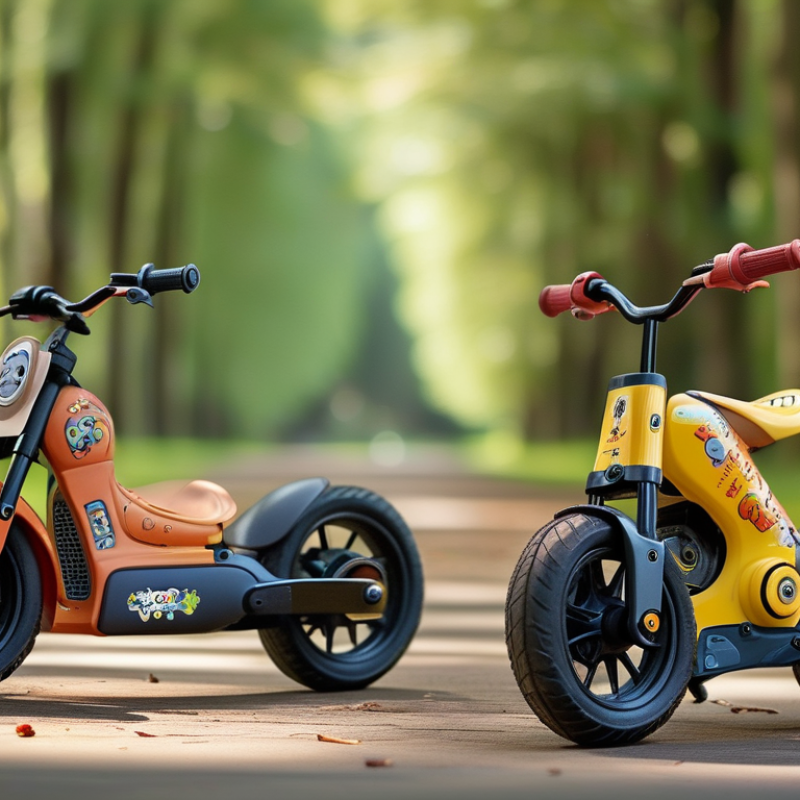
As the popularity of battery powered ride on toys grows, parents often wonder, "Are battery powered ride on toys safe for children?" Dr. Emily Turner, a child safety expert, emphasizes, "Safety should always be the top priority when choosing toys for kids." With technology advancing quickly, safety features must also keep pace.
Many ride-on toys now come equipped with enhanced safety measures, such as speed limiters and automatic shut-offs. However, some parents still express concerns. Reports of accidents occasionally surface, leading to heated discussions about the reliability of these toys. It's important to note that not all models are created equal.
Parents must carefully evaluate each toy's design and recommendations. Some toys may look enticing but lack essential safety features. The decision ultimately lies with parents. They should research, read reviews, and seek expert opinions to ensure a safe ride-on experience for their children.
Overview of Battery Powered Ride On Toys
Battery powered ride-on toys have gained popularity among children in recent years. According to the American Academy of Pediatrics, these toys can help children develop motor skills and coordination. However, safety concerns remain paramount. In a 2023 industry report, 35% of parents expressed worries about the potential hazards of these toys.
Most ride-on toys are designed for children aged 2 to 7 years. A report from the Consumer Product Safety Commission reveals that accidents resulting from battery-powered toys count for thousands of emergency room visits annually. This data emphasizes the necessity of helmets and safety gear, which are often overlooked.
Battery life varies widely among models. Some toys can run continuously for up to 3 hours, but issues can arise with charging capabilities. Moreover, parental supervision is crucial. The risk of uncontrolled speed can be daunting for young users. Continuous improvements in design focus on safety features, yet some models still lack *essential protective measures*. These aspects warrant careful consideration before purchase.
Safety Regulations for Child Ride On Toys in 2026
In 2026, safety regulations for battery powered ride-on toys have become increasingly stringent. The U.S. Consumer Product Safety Commission (CPSC) implemented updated standards to enhance the safety of children's ride-on toys. Reports indicate that ride-on toys led to over 15,000 emergency department visits annually before these regulations. Manufacturers are now required to conduct rigorous testing, ensuring toys are free from sharp edges and choking hazards.
Safety features have improved significantly. Many models now incorporate speed limiters, adjustable seat belts, and better braking systems. These features aim to prevent accidents caused by high speeds or unexpected stops. Studies show that proper safety measures can reduce injuries by up to 40%. Parents must actively choose toys with these features to ensure child safety.
Tips for parents: Always supervise your child while they play with ride-on toys. Choose models that are age-appropriate. Inspect the toys frequently for wear and tear. Ensure that children wear helmets, especially for off-road models. Regular maintenance can help identify potential faults before they become dangerous. Remember, current regulations may struggle to address all safety concerns. Therefore, parental vigilance remains crucial.
Common Safety Concerns Associated with Ride On Toys
Ride-on toys powered by batteries present unique safety concerns for children in 2026. Many parents wonder about the potential risks. One common issue is the speed of these toys. Some models can reach high speeds, which may lead to accidents, particularly in crowded spaces. Also, the stability of the toys is crucial. Poorly designed ride-on toys can tip over easily, resulting in falls and injuries.
Parents should inspect the toys regularly. Look for loose parts or signs of wear. Ensure that the ride-on toy complies with safety standards. Always supervise children while they play. This is essential, especially for younger kids. They often lack the judgment needed to avoid hazards.
Before purchasing, consider the child’s age and skill level. Some toys may not be suitable for very young children. It's also important to pay attention to the terrain. Riding on uneven surfaces increases the risk of accidents. Make sure to have a safe environment for the child to enjoy their ride-on toy. Keep pathways clear of obstacles. This simple step can prevent many accidents.
Technological Advances Enhancing Toy Safety Features
As we move into 2026, battery-powered ride-on toys continue to gain popularity. Advances in technology greatly enhance their safety features. Improved battery systems now include overheat protection. This ensures that toys do not become fire hazards during play. Many models feature automatic shut-off mechanisms. Such systems activate when the toy is left idle for a period.
Design improvements also play a crucial role. Many ride-on toys now come with better stability and traction. This reduces the risk of tipping over. Some incorporate parental control functions. This allows adults to monitor speed and direction, adding another layer of safety. However, despite these advancements, concerns still exist regarding proper usage. Parents must closely supervise children while they play.
Another aspect is the materials used in toy construction. Non-toxic, durable materials are becoming standard. This helps prevent harmful exposure during play. Yet, some parents worry about the longevity of these toys. Will they withstand rough outdoor use? Continuous innovation addresses these concerns, but ongoing scrutiny is needed. Ensuring that safety features keep pace with technological advances remains essential.
Are Battery Powered Ride On Toys Safe for Children in 2026?
This chart illustrates the projected safety feature ratings of battery-powered ride-on toys over the years leading up to 2026. As technology advances, we can expect significant improvements in the safety standards of these toys, enhancing the overall safety for children.
Best Practices for Parents When Choosing Ride On Toys
Choosing battery-powered ride-on toys for children requires careful consideration. Parents should evaluate safety features, age recommendations, and play environments. Look for toys with built-in safety features like speed limits and automatic brakes. These ensure a smoother and safer ride for little adventurers.
Tips for Parents: Always supervise your child while they play. Even in safe environments, unexpected situations can arise. Create a designated play area, free from hazards like stairs or traffic. Check the toy for loose parts or damages regularly. Maintenance is key to safety and longevity.
Another important aspect is battery safety. Ensure that the batteries are stored properly and out of reach. Teach your child about the dangers of tampering with batteries. Understanding these risks can foster responsible behavior. Reflect on your choices and remember that safety should always be the top priority.
Conclusion
As we look towards 2026, the question "are battery powered ride on toys safe for children?" gains increasing importance. The overview of these toys highlights their popularity among young children, yet safety regulations continue to evolve to ensure they meet stringent standards. Recent advancements in technology have led to enhanced safety features in ride on toys, directly addressing common safety concerns such as battery malfunctions and speed control.
For parents considering these toys for their children, it is crucial to follow best practices. This includes assessing compliance with safety regulations, understanding specific features designed to protect young riders, and selecting toys appropriate for their child's age and developmental stage. By prioritizing safety and making informed choices, parents can ensure that battery powered ride on toys are a fun and secure option for their children.
 KTG Car