KTG Car
Choosing the right vehicle for kids can be a daunting task. Parents often wonder how to compare different kids vehicle options effectively. Each option comes with unique features, safety standards, and price points. Understanding these aspects is crucial to making an informed decision.
Consider factors like age appropriateness, durability, and ease of use. A vehicle that fits one child may not suit another. It’s essential to balance fun and safety. Not every vehicle will meet these criteria well. Sometimes, even trusted brands can disappoint.
Research plays a key role in this process. Look for product reviews and expert recommendations. Asking other parents for their experiences can provide valuable insights. Don’t forget to test drive where possible. This hands-on approach helps visualize the vehicle in action. It's a chance to observe how your child interacts with it. Ultimately, the goal is to find a vehicle that enhances playtime while ensuring safety and reliability.
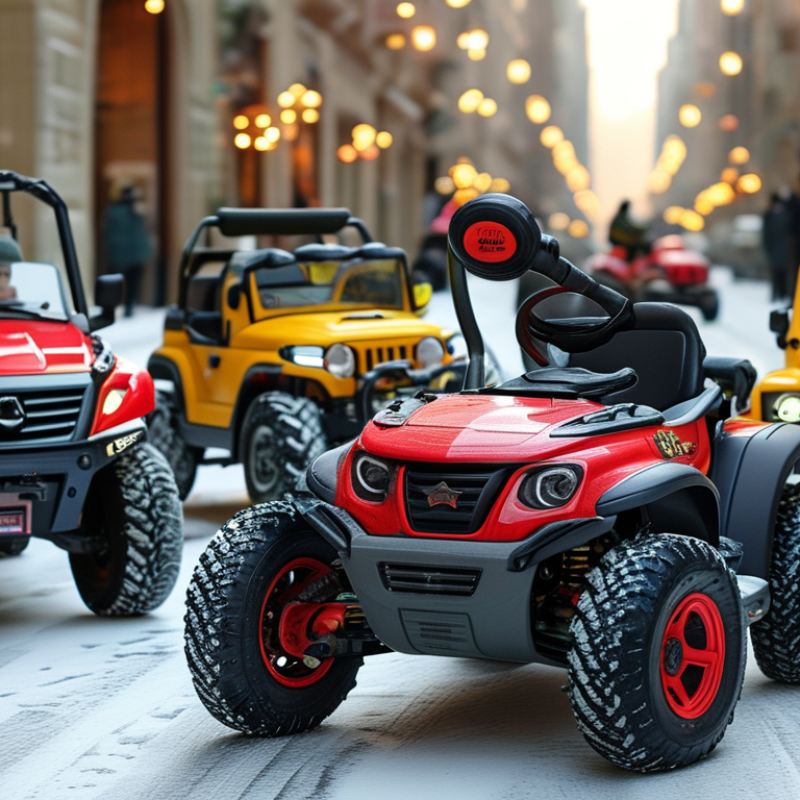
When choosing the best kids' vehicle options for 2026, safety should be a top priority. According to the National Highway Traffic Safety Administration, nearly 1,000 children under 12 were killed in motor vehicle crashes in 2020. Selecting vehicles with high safety ratings can significantly reduce risks. Look for features like seat belts, anti-lock brakes, and child-proof lock systems to enhance protection.
Another crucial aspect is durability and performance. Research from the Juvenile Products Manufacturers Association indicates that cars designed for children should withstand daily wear and tear. Vehicles made from high-quality materials will last longer. Also, consider battery life for electric models. A vehicle that can hold a charge for hours offers more playtime enjoyment for kids.
Lastly, user-friendliness cannot be overlooked. The design should be simple for children to operate. Reports show that kids often have trouble steering complex vehicles. An intuitive interface encourages kids to play independently. Keep in mind that the ideal vehicle should also engage children's creativity and learning. Striking a balance between fun and safety can lead to a more beneficial experience.
When considering kids' vehicles in 2026, safety is paramount. Evaluating safety ratings helps parents choose wisely. Various organizations conduct thorough assessments to determine how well vehicles protect children. These evaluations consider features like crash test results, safety technologies, and child seat compatibility.
Understanding these ratings is crucial. Many vehicles may excel in one area but fall short elsewhere. A higher rating does not always mean a safer vehicle for all situations. For instance, a model may perform well in frontal crashes but lack side-impact protection. Parents need to dive into detailed reports for a clearer picture. They should also take into account potential recall histories.
Another important aspect is real-world performance. Safety features can behave differently in real-life scenarios. For example, automatic braking systems depend on excellent weather conditions. Safety isn’t just about ratings; it involves evaluating experiences too. Engaging in conversations with other parents can yield valuable insights. They can share their experiences about vehicle safety and reliability after prolonged use.
When assessing the best kids vehicle options in 2026, cost plays a vital role. According to a recent industry report, families can expect to spend between $200 to $800 on various types of children’s vehicles. The disparity in pricing often reflects differences in materials, safety features, and brand prestige. However, safety should be prioritized over price. A well-constructed vehicle may cost more, yet can offer greater protection.
In terms of features, many models designed for kids now include elements like battery life, weight capacity, and ease of use. For instance, vehicles with rechargeable batteries are becoming popular. They can last up to three hours of continuous play. Yet, some cheaper options might only provide an hour, causing frustration during playtime. The importance of these features cannot be overstated, especially when parents face a competitive market with varying specifications.
Despite these advancements, it’s crucial to acknowledge potential drawbacks. Some vehicles may initially seem affordable but incur extra costs. Repair parts and maintenance can add up over time. Furthermore, not all vehicles are built to withstand rough play or diverse terrain. Evaluating durability and long-term value is essential, as many budget options fall short in these areas, leading to quicker replacements and increased spending.
| Vehicle Type | Age Group | Price Range ($) | Max Speed (mph) | Battery Life (hrs) | Weight Limit (lbs) |
|---|---|---|---|---|---|
| Electric Ride-On Car | 3-8 years | 150 - 300 | 4 | 2 | 65 |
| Push Scooter | 5-10 years | 50 - 100 | 8 | N/A | 150 |
| Battery Operated Bike | 7-12 years | 200 - 400 | 10 | 5 | 100 |
| Go-Kart | 6-12 years | 250 - 500 | 12 | 4 | 200 |
| Balance Bike | 2-5 years | 30 - 80 | N/A | N/A | 70 |
In 2026, eco-friendly vehicle options for kids are gaining attention. Parents are more aware of their environmental impact. Eco-friendly vehicles not only support sustainability but promote healthy habits in children. Electric rides and solar-powered toys offer low emissions and energy efficiency.
However, the market is flooded with choices. Some options may not be as eco-friendly as they appear. It’s essential to research the materials used in construction. Plastic alternatives, such as bamboo and recycled materials, can reduce waste. Always check for certifications indicating true environmental benefits.
Safety and durability are also key factors to consider. It's crucial to balance eco-friendliness with function. Vehicles that break easily may end up in landfills. Selecting durable, long-lasting options can mitigate this issue. Ultimately, finding the right eco-friendly vehicle requires careful consideration and an open mind.
When choosing a kids vehicle for 2026, user reviews and expert opinions are invaluable. Parents often share insights that highlight practical benefits. Online forums and websites provide a wealth of experiences from real users. These reviews can unpack features that matter, such as safety, durability, and ease of use. Keep an eye on recurring themes in feedback to spot reliable options.
Experts emphasize the importance of testing vehicles before purchase. Hands-on experience can reveal potential flaws that may not show in written reviews. For instance, check if the steering feels smooth. Ensure the seat adjusts easily to accommodate children's growth. Engaging with the product firsthand offers insights that no review can provide.
**Tips**: Always scrutinize the design. Some vehicles may look fun but lack practical safety features. Test multiple options to find what feels right. Don't rush the decision; a hasty choice could lead to regrets. Consider your child's preferences and comfort. A vehicle that excites them will likely be used more often, fostering exploration and play.
This bar chart illustrates the average user ratings of various kids vehicles for different age groups in 2026. The ratings reflect customer satisfaction, providing a useful perspective for parents when choosing the best vehicle option for their children.
: Safety ratings help parents make informed choices. They show how well vehicles protect children in various situations.
Parents need to evaluate crash test results, safety technologies, and child seat compatibility. Detailed reports provide a clearer picture.
Not always. A vehicle may excel in one area but lack protection in others, like side-impact safety.
Safety features may perform differently in real-life scenarios. For example, automatic braking relies on good weather conditions.
Families can expect to spend between $200 to $800. Prices reflect safety features and construction quality.
Important features include battery life, weight capacity, and ease of use. Rechargeable batteries provide longer playtime.
Not necessarily. Some affordable options may incur high repair and maintenance costs over time.
Parents can share experiences about vehicle safety and reliability. This can provide valuable insights into long-term performance.
Budget options may not withstand rough play or different terrains, leading to quicker replacements and added costs.
Evaluating construction quality and long-term value can help. Some models may seem cheap but lead to higher spending later.
In exploring the best kids vehicle options for 2026, it’s crucial to understand how to compare different kids vehicle options effectively. Key features such as safety ratings, design quality, and usability should be prioritized. Safety assessments ensure that vehicles meet the stringent standards required for children, while a comparative cost analysis can help parents make informed financial decisions without compromising on quality.
Additionally, considering eco-friendly vehicle choices is important for environmentally conscious families. User reviews and expert opinions provide valuable insights that further aid parents in evaluating their options. By assessing these aspects, caregivers can make informed choices that safeguard their children’s safety while also promoting sustainability in 2026 and beyond.
