KTG Car KTG Car

How to Charge Ride On Toy Batteries Correctly for 2026 Top Tips?

Time:2026-06-16 Author:Amelia
0%

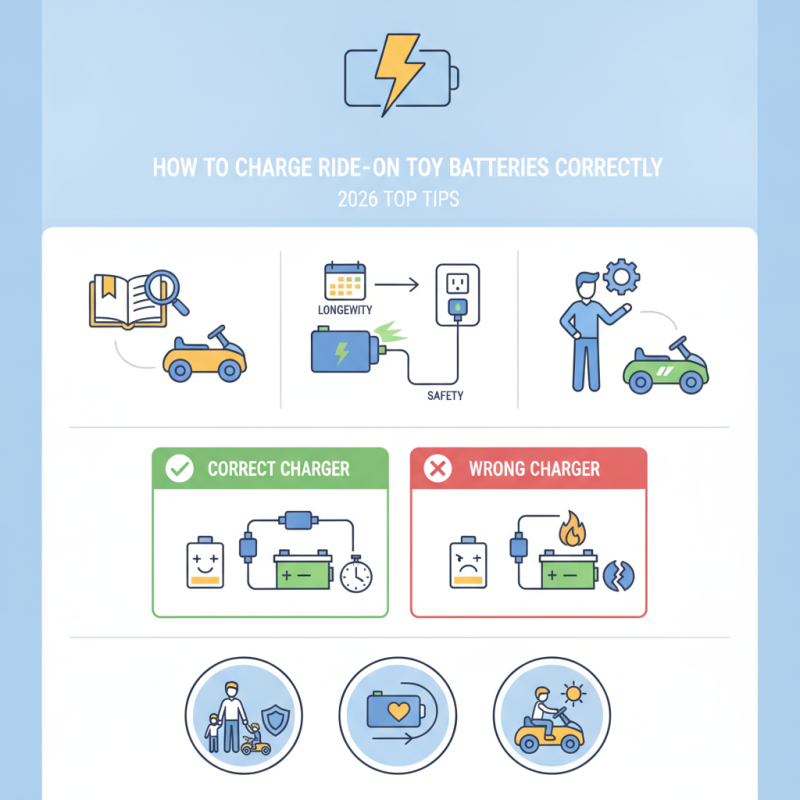
In the world of children's ride-on toys, battery care is vital. Experts emphasize how to charge ride on toy batteries correctly to ensure longevity and safety. John Batterson, a leading authority in toy battery technology, states, "Proper charging techniques can significantly extend battery life."

Understanding these techniques is crucial for parents. Many may overlook or misuse the charging process, leading to premature battery failures. The right steps begin with reading the manufacturer's guidelines. Each battery type may have different needs.

As you navigate this process, remember that some mistakes can happen. Overcharging or using incorrect chargers may damage the battery. It's essential to stay informed and consistent. With the right knowledge, you can make safe choices that enhance your child’s playtime experience.
How to Charge Ride On Toy Batteries Correctly for 2026 Top Tips?

Understanding Ride On Toy Batteries: Types and Specifications

Ride on toys have become a favorite for children. Understanding their batteries is essential for safe and prolonged use. There are different types of batteries typically used in these toys: lead-acid batteries, lithium-ion batteries, and nickel-cadmium batteries. Each type has unique specifications that impact performance and charging requirements.

Lead-acid batteries are commonly used due to their affordability. However, they can be heavy and need regular maintenance. Lithium-ion batteries are lighter and have a longer lifespan. They offer quicker charging times but are generally more expensive. Nickel-cadmium batteries, while durable, can exhibit memory effect if not charged properly, leading to reduced capacity over time.

Charging procedures can vary based on battery type. It’s important to follow manufacturer guidelines. Overcharging or allowing the battery to drain completely can shorten its lifespan. Many users overlook these details, leading to frequent battery replacements. Always remember to check for signs of wear and tear on the battery. Regular maintenance is crucial for performance and safety.

Essential Safety Precautions When Charging Ride On Toy Batteries

Charging ride-on toy batteries safely is crucial for both the longevity of the battery and the safety of the child. Always use the charger that comes with the toy. Using different chargers can cause damage. Ensure the charger is compatible with the battery type. This small step can prevent potential hazards.

Pay close attention to the environment. Avoid charging in damp areas; moisture can lead to short circuits. Keep the charging location clear of flammable objects. It’s easy to forget about nearby items, but safety comes first. Regularly inspect the battery and charger for any signs of wear. A frayed wire can create dangerous situations.

Always supervise the charging process. Even a brief moment of inattention can lead to accidents. Unplug the charger once the battery completes charging. Leaving it plugged in can overheat the battery. This practice minimizes risks and increases battery life. Safety is about being diligent and consistent. Make it a routine to check and charge correctly.

Step-by-Step Guide to Properly Charge Ride On Toy Batteries

Charging ride-on toy batteries correctly is crucial for safety and longevity. Begin by reading the manufacturer's manual. It provides essential information that varies by model. Ensure you have a suitable charger for the battery type. Using the wrong charger can lead to damage. This step is often overlooked but is vital.

Next, find a well-ventilated area for charging. Overheating can be a significant issue. Avoid charging in direct sunlight or damp environments. Once plugged in, monitor the battery. If it heats up excessively, unplug it immediately. This is a common mistake, and recognizing it prevents potential hazards.

Finally, disconnect the charger after the recommended charging time. Leaving it plugged in can harm the battery. Remember to charge the battery fully before the first use. A half-charged battery can lead to reduced performance. It’s easy to forget these details, but attention pays off. Charging should not feel like a chore; ensure you develop a routine for proper maintenance.

Signs Your Ride On Toy Battery Needs Replacement or Maintenance

When it comes to ride-on toy batteries, knowing when to replace or maintain them is crucial. One clear sign that your battery may need attention is a decrease in runtime. If your child's toy lasts only half the time it used to, it’s time to investigate. Another indicator is difficulty in charging. If the battery won’t hold a charge or takes much longer to charge, this signifies a potential issue.

Watch for physical signs of wear as well. If the battery casing appears swollen or cracked, it is a clear red flag. It could indicate swelling from overcharging or damage, requiring further inspection. Regular maintenance checks will help extend the battery life and enhance safety during play.

For better battery health, try these tips:

  • Charge the battery fully before storing it for long periods.
  • Avoid letting it drain completely; this can harm battery life.
  • Regularly inspect connections for corrosion.
  • Keeping terminals clean can enhance conductivity.

Maintaining your ride-on toy batteries not only ensures a safer play experience but also fosters years of fun for your child.

Best Practices for Storing and Maintaining Toy Batteries Long-Term

When it comes to toy batteries, proper storage and maintenance are key. To ensure longevity, choose a cool, dry place for storage. Avoid areas near heat sources or direct sunlight. This helps prevent damage and extends battery life.

Regular checks are essential. Inspect batteries for signs of corrosion or leaks. If you find any, dispose of them properly. Always follow local regulations for disposing of batteries. This is crucial for safety and environmental protection.

Another effective tip is to charge batteries fully before long-term storage. For rechargeable batteries, consider using a smart charger that prevents overcharging. These chargers maintain optimal battery health. Also, take time to read instructions for specific battery types. Remember, not all batteries are the same. Each type has unique care needs.

How to Charge Ride On Toy Batteries Correctly for 2026 Top Tips? - Best Practices for Storing and Maintaining Toy Batteries Long-Term

Tip Number Charging Frequency Duration of Charge Storage Temperature Maintenance Tips
1 After every use 8-12 hours 20°C to 25°C Check for corrosion
2 Once a month 6-8 hours 15°C to 30°C Keep terminals clean
3 Every 3 months 12-16 hours 10°C to 20°C Avoid overcharging
4 When not in use Up to 24 hours Avoid extreme temperatures Store in a dry place
5 Weekly check Charge as needed -10°C to 35°C Test performance regularly

FAQS

: What types of batteries are commonly used in ride-on toys?

: The common types are lead-acid, lithium-ion, and nickel-cadmium batteries.

How do lead-acid batteries compare to other types?

Lead-acid batteries are affordable but heavy. They require regular maintenance and can impact performance.

What are the advantages of lithium-ion batteries?

Lithium-ion batteries are lighter and last longer. They charge quickly but tend to be more expensive.

What signs indicate a battery may need replacement?

Decreased runtime and difficulty in charging are clear signs of battery issues.

How should batteries be stored for longevity?

Store batteries in a cool, dry place and avoid heat sources or direct sunlight.

What maintenance is required for toy batteries?

Regularly inspect for wear and corrosion, and keep terminals clean for better performance.

Is it necessary to fully charge batteries before storing them?

Yes, fully charging batteries before long-term storage helps maintain their health.

What happens if a battery is overcharged?

Overcharging can cause swelling or damage, leading to reduced performance and safety hazards.

Why should I regularly check battery connections?

Inspecting connections for corrosion enhances conductivity and improves overall battery performance.

How can using a smart charger benefit my batteries?

Smart chargers prevent overcharging, helping to maintain optimal battery health over time.

Conclusion

When it comes to how to charge ride on toy batteries correctly, understanding the different types and specifications of batteries is crucial for optimal performance and safety. Essential safety precautions, such as avoiding overcharging and using the appropriate charger, can prevent potential hazards. Following a step-by-step guide to charging ensures that the batteries maintain their longevity and efficiency.

Additionally, recognizing signs that your ride on toy battery needs replacement or maintenance can help avoid unexpected failures. It’s also important to implement best practices for storing and maintaining toy batteries long-term to maximize their lifespan. By adhering to these guidelines, you can ensure a safe and enjoyable experience for children while prolonging the life of their ride on toys.

Amelia

Amelia

Amelia is a seasoned marketing professional with a wealth of expertise in our company’s core offerings. With an unwavering passion for driving growth and innovation, she plays a pivotal role in shaping our marketing strategies and enhancing brand visibility. A key aspect of her responsibilities......