KTG Car KTG Car

China Best Manual vs Electric Ride On Toys What to Choose?

Time:2026-05-19 Author:Sophia
0%

When considering children's outdoor toys, parents often wonder what is the difference between manual and electric ride-on toys. According to a recent report by the Toy Association, ride-on toys are popular among children aged 2 to 5, fostering physical activity and coordination. Electric toys offer convenience and less physical effort, while manual toys encourage active play and independence.

Electric ride-on toys, such as battery-powered cars, provide an effortless experience. Kids can simply press a button to start riding. In contrast, manual toys require pedaling or pushing, promoting motor skills. A survey by Statista revealed that 55% of parents prefer manual toys for the exercise benefits they offer. However, electric options can engage children with realistic features.

Ultimately, the choice between manual and electric ride-on toys reflects differing values. Some prioritize physical activity, while others seek ease and entertainment. Understanding these differences helps parents make informed choices, ensuring the best play experiences for their children.
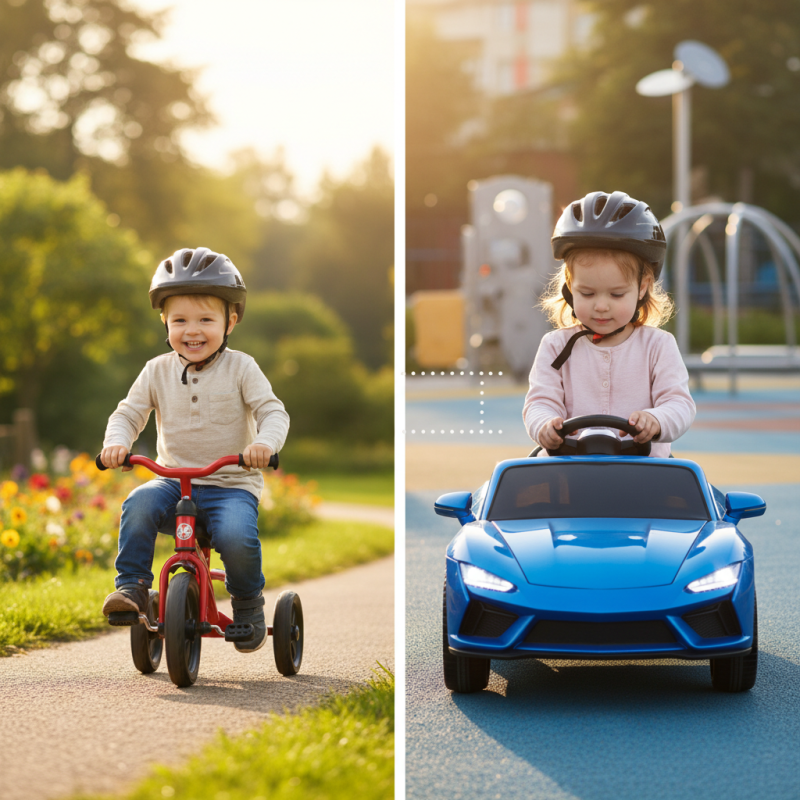
China Best Manual vs Electric Ride On Toys What to Choose?

Manual Ride On Toys: Design, Benefits, and Safety Features

Manual ride-on toys are gaining popularity among parents for various reasons. Their simple design enables children to use their physical strength to propel themselves. This fosters independence and stimulates motor skills. According to a recent report by the American Academy of Pediatrics, active play is crucial for developing coordination and balance in young children. Manual toys encourage this play, providing an engaging way to enhance physical development.

Safety is another critical aspect to consider. Many manual ride-on toys are made from durable materials, often featuring rounded edges to prevent injuries. According to the Consumer Product Safety Commission, 89% of ride-on toy injuries are due to falls. By choosing manual options with lower speeds, parents can minimize some safety risks. Additionally, toys designed for stability can help children learn to navigate their surroundings safely.

However, there can be challenges as well. Not all manual toys are created equal, and some may lack stability or ergonomic design. Parents should always assess the child's age and skill level when selecting a toy. A mismatch could lead to frustration or accidents. It's essential to examine user reviews and safety ratings before making a choice. Seeking out expert advice can provide a clearer understanding of the best options available based on industry standards.

Electric Ride On Toys: Technological Innovations and Market Trends

Electric ride-on toys have transformed the way children play. With advancements in technology, these toys offer more than just basic functionality. Many now come equipped with features like Bluetooth speakers, LED lights, and even remote controls. These enhancements provide exciting experiences for young riders. Kids can listen to music as they cruise around, blending entertainment with fun.

Market trends show a growing demand for electric ride-on toys. Parents appreciate the convenience and ease of use. However, not all electric toys are created equal. Some may lack safety features, including speed limits and sturdy construction, leading to potential hazards. Parents need to be vigilant when selecting these toys, focusing on product specifications and safety standards.

Many electric ride-on toys has impressive battery life. However, they can also be prone to mechanical issues. Children may outgrow them quickly, creating waste. The industry needs to address sustainability while improving toy longevity. The balance between innovation and responsibility is crucial as the market evolves. Careful consideration will lead to better choices for both children and the environment.

Comparative Analysis: Cost-effectiveness of Manual vs Electric Toys

When considering ride-on toys, cost-effectiveness is a key factor. Manual toys often have lower upfront costs. A 2022 industry report indicates that manual toys can save parents up to 40% compared to electric options. They require no batteries or charging, eliminating hidden expenses. Maintenance is also simpler and cheaper. A manual ride-on toy typically lasts longer without mechanical parts that can fail. This longevity leads to better value over time.

On the other hand, electric ride-on toys are popular for their appeal. Children enjoy the speed and ease of use. However, they come with a higher initial price. According to a 2023 study, the average electric toy costs about $200, while manual toys average around $120. Families must also consider battery replacement and repair costs. Some parents may find these expenses surprisingly high over a few years.

Ultimately, it’s worth reflecting on how often your child will use the toy. The most expensive toy isn’t always the best choice. In some cases, a manual option may provide more play value than electric counterparts. Many parents express regret over not prioritizing long-term usability over flashy features. It's essential to weigh these factors carefully when making a decision.

China Best Manual vs Electric Ride On Toys What to Choose? - Comparative Analysis: Cost-effectiveness of Manual vs Electric Toys

Feature Manual Ride On Toys Electric Ride On Toys
Initial Cost $50 - $150 $150 - $500
Maintenance Cost Low Medium
Battery Replacement N/A $30 - $70 every 2 years
Age Suitability 2 - 6 years 3 - 8 years
Weight Limit 50 lbs 75 lbs
Speed Self-propelled 2 - 5 mph
Ease of Use Very Easy Moderate (requires charging)
Eco-friendliness High Medium (depends on battery type)

Child Development and Play: Benefits of Different Ride On Toy Types

When choosing between manual and electric ride-on toys, it’s essential to consider their impact on child development. Manual toys, which require children to push or pedal, encourage physical activity and strength building. Kids develop coordination and balance as they maneuver these toys. Engaging in outdoor play with manual options fosters social skills, as they often share and communicate with peers.

On the other hand, electric ride-ons offer a different set of advantages. They can stimulate imagination and role-play as children explore their surroundings. Many electric models allow for varying speeds, teaching kids spatial awareness and basic driving skills. However, reliance on electric toys might reduce physical exertion. It’s vital for parents to monitor usability to ensure children still engage in physical play.

Thoughtful consideration is key. Finding a balance between both types can benefit a child's development. Parents should reflect on how each toy aligns with their child’s needs. Encouraging a mix of both allows for various developmental experiences.

Safety Regulations and Standards for Ride On Toys in China

In China, safety regulations for ride-on toys are rigorous but also evolving. The China National Standard for ride-on toys, GB 6675, emphasizes key safety elements. This standard includes mandatory safety tests for materials, structural integrity, and labeling. Reports indicate that ride-on toys lead to injuries, highlighting the need for strict compliance.

According to the latest statistics from the China Consumer Association, more than 30% of ride-on toy accidents occur due to design flaws. Many parents remain unaware of these risks. They often overlook the importance of safety certifications. Selecting toys that meet national standards can significantly reduce risks.

Electric ride-on toys attract more children, but they pose unique dangers. The risk of electric shock and battery safety is a concern. Manual versions are less complex. Parents may find them safer, yet they need supervision to prevent injuries. Each option has pros and cons, making choices challenging. Additionally, the lack of awareness about safety standards complicates the decision for many families. Potential buyers should prioritize safety certifications in their search.

FAQS

: What are manual ride-on toys?

: Manual ride-on toys are simple toys propelled by children's physical strength. They foster independence and motor skills.

Why are manual ride-on toys considered beneficial?

They help develop coordination and balance through active play. This play enhances physical development in young children.

What safety features should parents look for in ride-on toys?

Parents should choose toys with durable materials and rounded edges to reduce injury risks. Stability is also crucial.

What are some risks associated with manual ride-on toys?

Not all toys are stable or ergonomically designed. A poor match to a child's age can lead to accidents or frustration.

Are ride-on toys in China regulated for safety?

Yes, China has strict safety regulations for ride-on toys, including material safety tests and structural integrity checks.

What percentage of ride-on toy accidents are caused by design flaws?

Over 30% of ride-on toy accidents result from design flaws, highlighting the need for safety certifications.

How do electric ride-on toys differ from manual ones?

Electric ride-on toys attract children but come with risks like electric shock. Manual toys are often simpler and seen as safer.

Why is it essential to check safety certifications for toys?

Parents often overlook safety certifications. Choosing toys that meet national standards can significantly lower injury risks.

What challenges do parents face when selecting ride-on toys?

Lack of awareness about safety standards complicates choices. Assessing ratings and expert advice can guide better decisions.

Do children still need supervision while using manual ride-on toys?

Yes, even manual toys require supervision to prevent injuries. Parents should stay vigilant during playtime.

Conclusion

The article "China Best Manual vs Electric Ride On Toys: What to Choose?" explores the key differences between manual and electric ride on toys, addressing the question, "what is the difference between manual and electric ride on toys?" Manual ride on toys are designed to promote physical activity and creativity, featuring simple designs that encourage children to push or pedal themselves. Their benefits include enhanced motor skills and safety features that prioritize child development. In contrast, electric ride on toys harness technological innovations, offering a more dynamic play experience with features like remote control and safety mechanisms, but typically come at a higher cost.

The comparative analysis delves into the cost-effectiveness of both types, considering initial investment and long-term enjoyment. Additionally, the article examines the role these toys play in child development, highlighting how each type encourages different kinds of play. Lastly, it addresses safety regulations and standards for ride on toys in China, ensuring that parents are informed about the safest options for their children.

Sophia

Sophia

Sophia is a dedicated marketing professional with an exceptional depth of knowledge about her company's products and services. With a keen understanding of market trends and customer needs, she crafts insightful blog posts that not only inform but also engage readers, enriching the company’s online......