 KTG Car
KTG Car
KTG Car
Choosing the right ride-on toy is crucial for a child’s enjoyment and safety. According to a recent study from the Toy Association, high-quality ride-on toys promote not only fun but also physical development. Many parents struggle with the question: what makes a high quality ride on toy? Key factors include durability, safety features, and design suitability.
Durability ensures the toy can withstand enthusiastic play, as 70% of ride-on toys are used outdoors. Parents should check for robust materials and construction. Safety features, such as non-toxic finishes and secure seating, are non-negotiable. The U.S. Consumer Product Safety Commission reports that over 7,000 ride-on toy-related injuries occur annually, highlighting the need for cautious selection.
The design also matters, as it affects a child's learning experience. Research indicates that children learn through play; hence, ride-on toys should cater to various developmental stages. Reflecting on this, some toys may look appealing but lack essential qualities. Investing time in research can lead to better choices, ensuring that the joy of riding does not come at the expense of safety or quality.
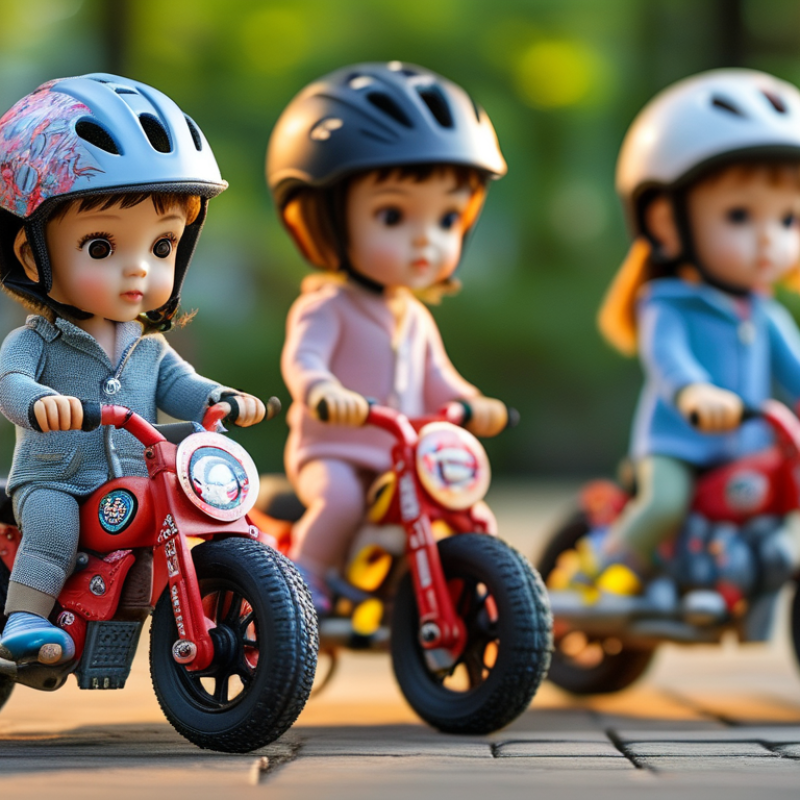
Choosing the right ride-on toys for children is crucial for their safety and enjoyment. One essential factor is the age appropriateness of the toy. Ensure it is designed for your child’s specific age group. Toys too advanced may pose safety risks. Look for toys that support physical development, improving balance and coordination.
Another important consideration is material quality. High-quality plastics and sturdy metal structures ensure durability. Check for non-toxic finishes to guarantee safety. Toys should be stable and easy to control. Avoid those that may tip over easily. Review product specifications and safety certifications before purchasing.
Lastly, consider the play environment. Indoor toys might differ from outdoor options. Think about your child's play area. How much space do you have? And how often will the toy be used? Reflecting on these details can prevent future regrets. Many parents overlook these aspects, leading to disappointment. A little planning can make a big difference in your child’s playtime experience.
| Factor | Description | Importance Level |
|---|---|---|
| Material Quality | Ensure that the ride-on toy is made of non-toxic, durable materials. | High |
| Safety Features | Check for features such as a stable base, safety belts, and rounded edges. | Critical |
| Age Appropriateness | Select toys suitable for the child's age and size to ensure safe play. | High |
| Design and Style | Consider colorful and engaging designs that appeal to children. | Moderate |
| Ease of Use | Ensure that the toy is easy for children to operate and control. | High |
| Warranty and Support | Check for warranty details and customer support from the manufacturer. | Moderate |
: Ride-on toys must match your child's age group to ensure safety. Toys that are too advanced can pose risks.
Look for high-quality materials, like sturdy plastics or metals. Inspect for non-toxic finishes to guarantee safety.
The environment affects toy performance. Consider indoor versus outdoor use and available space before buying a toy.
Check for ASTM certification. Toys must meet safety benchmarks, including stability tests to prevent tipping during use.
Toys should have rounded edges and non-toxic finishes. Sharp corners can be dangerous, especially for young children.
Durability is vital. Many ride-on toys fail quality tests after minimal use, posing unexpected hazards for children.
Size must match your child's age and skills. Toys that are too big or small can lead to accidents and injuries.
Yes, a toy reflecting your child's preferences can encourage more outdoor play and improve their engagement with the toy.
Look for a comfortable seat, sturdy wheels, and secure handlebars. These features enhance safety and playability.
Select designs that adapt as your child grows. Some toys are made to accommodate taller children, promoting longer use.
When selecting ride-on toys for children, it's essential to understand what makes a high-quality ride-on toy. Key factors to consider include safety standards that ensure the toy is secure and appropriate for the child's age group. The materials used should be durable and non-toxic, ensuring long-lasting playtime experiences that withstand wear and tear.
Additionally, choosing the right size and design is crucial for matching the toy to the child's age and skill level, promoting both safety and enjoyment. Regular maintenance and care are vital for extending the life of these toys, allowing children to enjoy them for years to come. By focusing on these essential aspects, parents can make informed decisions that enhance their child's playtime experience.
