KTG Car KTG Car

How to Choose the Best Ride On Toy for Your Child

Time:2026-03-20 Author:Madeline
0%

Choosing the perfect ride-on toy for your child can feel overwhelming. With so many options available, making the right choice is essential. Expert Emma Johnson, a child development specialist, emphasizes, "Selecting a ride-on toy that matches a child’s age and ability is crucial for safety and fun."

When considering how to choose the right ride on toy for kids, think about their age, weight, and interests. A toy that is too advanced or too basic can lead to frustration. For example, toddlers may need smaller, stable toys, while older kids might prefer more complex ride-ons. Durability should also be a priority. A flimsy ride-on can break easily, leading to safety hazards.

Parents often overlook the importance of supervision and safe environments. Even the best ride-on toy cannot replace careful monitoring. Reflect on your space at home and outdoor areas. Are they safe for ride-on toys? Sometimes, making the right choice means recognizing that not all toys are suited for every home.
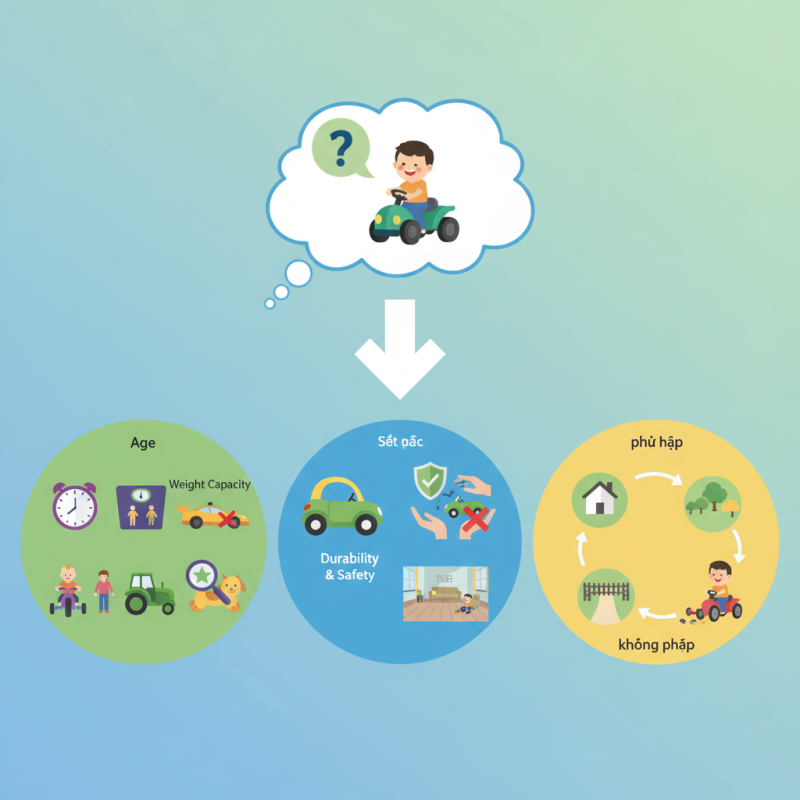
How to Choose the Best Ride On Toy for Your Child

Understanding Different Types of Ride-On Toys for Kids

When choosing ride-on toys, understanding the types available is crucial. There are several categories: push toys, balance bikes, and electric ride-ons. Each type offers unique benefits and caters to different age groups. For instance, push toys are great for toddlers. They help enhance coordination and balance. According to industry reports, children using such toys improve physical skills by 25%.

Balance bikes are for slightly older kids. They promote balance and steering without the need for pedals. Data shows that children who use balance bikes often transition to regular bicycles faster. However, safety is a concern, and parents must supervise during playtime.

Electric ride-ons provide the thrill of movement. They can reach speeds of up to 5 mph. Yet, the challenge lies in finding a safe riding environment. Many parents overlook proper terrain, which could lead to accidents. Balancing fun and safety is vital when selecting a ride-on toy. The choice should reflect not just excitement but also security for your child.

Age Appropriateness: Selecting the Right Ride-On Toy for Your Child

Choosing the right ride-on toy for your child involves understanding their age and developmental stage. For toddlers, small, sturdy options are best. They need toys that offer balance and support. A toy that’s too big can be intimidating and unsafe. Look for features like low seats and stable bases. These are crucial for beginner riders.

As children grow, their skills will develop. Preschoolers may enjoy more advanced ride-ons with added features. They might look for toys that allow them to steer or push themselves along. This age group often craves a sense of independence. However, it can be easy to overlook their skill level. A toy that seems fun might not be suitable if it's too challenging.

Be mindful of your child's preferences, too. Some kids love speed, while others prefer leisurely rides. It’s important to observe how they interact with their toys. Are they hesitant or overly confident? Safety must always come first. The right ride-on toy should enhance their playtime while keeping them safe. Finding that balance takes some trial and error. Take your time; it’s all part of the process.

Safety Features to Consider When Choosing a Ride-On Toy

When selecting a ride-on toy, safety should be the top priority. According to the American Academy of Pediatrics, around 8,000 children are treated for ride-on toy injuries each year. This alarming statistic highlights the need for careful consideration of safety features. Look for options with sturdy construction and materials that can withstand rough use. Toys should also have a low center of gravity to prevent tipping.


Tips: Check for age recommendations. Ensure the toy is appropriate for your child's age and size. Too big or small can lead to accidents. Also, inspect the wheels; larger, stable wheels can provide better traction and control on various surfaces.


Additional safety features to consider include seat belts and protective design. Many ride-on toys come with seat belts, adding an extra layer of safety. This can help keep your child secure during rides. However, make sure that any restraint is easy for an adult to operate. Lastly, consider the braking system. A reliable brake can stop momentum quickly, reducing the risk of falls.


Remember, not all toys are created equal. Some might look appealing but lack the necessary safety features. Thorough research prevents disappointments and ensures a safer experience for your child.

Assessing the Toy's Material and Durability for Long-Lasting Use

When selecting a ride-on toy for your child, the material and durability should be your top priorities. According to a recent industry report, about 30% of parents faced issues with toys breaking within the first year. This statistic highlights the importance of assessing how well a toy will withstand wear and tear. Look for toys made from high-quality plastics or woods that are non-toxic and sturdy. This choice will provide added safety and longer playtime.

Tip: Always check for safety certifications when buying a toy. This ensures the material used meets specific safety standards. If a toy feels flimsy, it probably is. Many parents overlook this detail, leading to disappointment later.

Additionally, consider the weight capacity of the toy. Heavy-duty models often last longer and are suitable for various age groups. However, some lighter models can be more fun for younger kids. It’s crucial to strike a balance between fun and safety. Frequent inspections for signs of wear can help you catch issues early. Ignoring these signs can lead to accidents and a toy that quickly becomes unusable.

Fun Factor: How to Ensure Your Child Enjoys Their Ride-On Toy

When selecting a ride-on toy for your child, the fun factor is crucial. Kids often gravitate toward bright colors and interesting designs. A toy with engaging features will keep them entertained longer. Think about their preferences and interests. Does your child love animals? Consider toys shaped like their favorite creatures. If they're into vehicles, look for ones resembling cars or trucks.

Safety should not be overlooked, but ensuring that the toy is fun is essential, too. Easy-to-use controls make the experience more enjoyable. If it’s too complicated, they may become frustrated. Pay attention to how your child interacts with it. Do they smile and play, or do they seem indifferent? These reactions can guide you to a better choice.

Also, consider the ride-on's adaptability. As children grow, their interests change. A toy that can evolve with them might serve various uses over time. Reflect on your child's development. A toy that offers challenges and rewards will keep them engaged. The perfect ride-on toy should spark joy and fuel their imagination.

FAQS

: What factors should I consider when choosing a ride-on toy for my child?

: Consider your child's age, skills, and preferences. Safety and fun are equally important.

How can I ensure safety when selecting a ride-on toy?

Look for sturdy options with low seats, stable bases, and appropriate weight limits.

What materials should I look for in a ride-on toy?

Choose high-quality plastics or woods that are non-toxic and durable for long-lasting use.

How can I assess the fun factor of a ride-on toy?

Observe if the toy has bright colors, engaging features, and if it matches your child's interests.

Why is it important to check safety certifications when buying a toy?

Certifications ensure the materials meet safety standards, reducing the risk of accidents.

What should I do if a ride-on toy seems too complicated for my child?

If controls are difficult, consider a simpler model to avoid frustration during playtime.

How can I know if the toy is appropriate for my child's skill level?

Watch for signs of confidence or hesitation. Toys should challenge, not overwhelm, them.

Why do I need to inspect ride-on toys regularly?

Frequent checks for wear help prevent accidents and ensure the toy stays safe to use.

Can my child’s interests change how I choose a ride-on toy?

Yes, consider evolving skills and interests; a toy that adapts can provide longer enjoyment.

What if my child seems indifferent to a ride-on toy?

If they're not engaged, it might be time to reflect on their preferences and explore different options.

Conclusion

When considering how to choose the right ride on toy for kids, it's essential to understand the different types available, which range from simple push toys to battery-operated vehicles. Assessing age appropriateness is crucial; ensuring the toy is suitable for your child's developmental stage will enhance both safety and enjoyment.

Safety features should not be overlooked; look for options that include sturdy construction, non-toxic materials, and appropriate safety restraints. Additionally, evaluating the toy's material and durability is vital for long-lasting use, as well as considering the fun factor to keep your child engaged and entertained. Taking these aspects into account will help you select the best ride on toy that suits your child's needs and preferences.

Madeline

Madeline

Madeline is a dedicated marketing professional with a wealth of expertise in our company's core offerings. With a keen understanding of the industry, she brings a unique perspective to her role, consistently delivering high-quality content that highlights the superior aspects of our products. As......