 KTG Car
KTG Car
KTG Car
Choosing the right toys for children is essential for their development and enjoyment. According to a recent report by the Toy Industry Association, 70% of parents seek durable toys that withstand rough play. This highlights the importance of learning how to select durable toys for long term use. Dr. Emily Tran, a child development expert, emphasizes, "Durability in toys not only assures safety but also encourages creative play."
Durable toys are made of high-quality materials. They resist wear and tear even with frequent use. Parents should consider factors like material, design, and safety standards. A well-made toy can last through multiple children and various play scenarios. Involving children in the selection process may increase their appreciation and care for the toys.
Yet, finding toys that are both durable and engaging is not always straightforward. Some parents may overlook the value of investing in quality. Cheaper options may seem appealing but often lead to disappointment. Understanding how to select durable toys for long term use can save money and reduce waste over time. Choices made today will impact future play experiences.
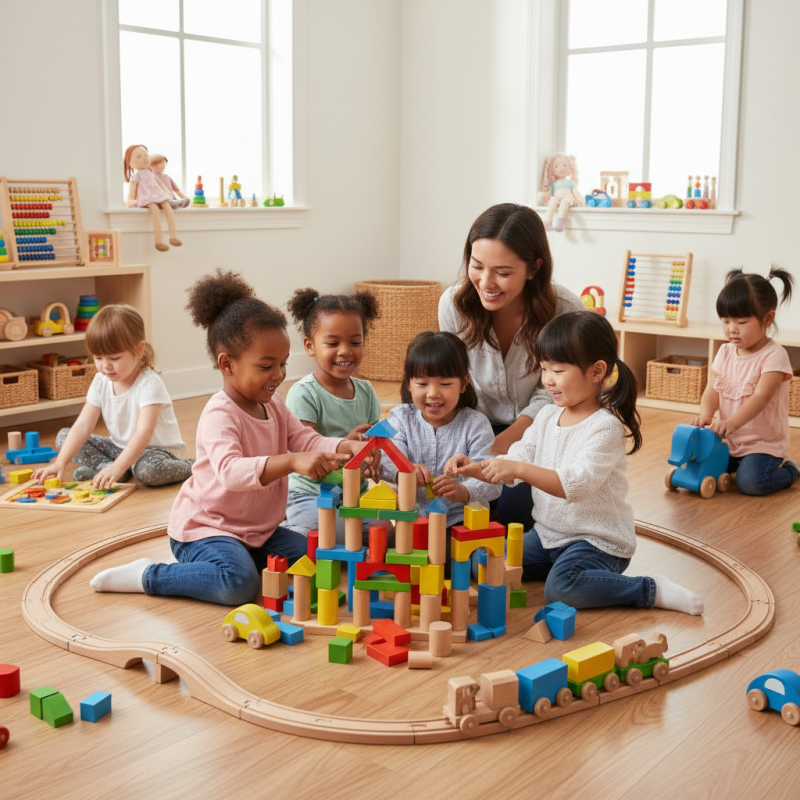
Choosing durable toys is crucial for children's playtime. Studies show that children can break toys within hours if they are not sturdy. Durable toys provide more than just entertainment; they foster creativity and imagination. According to industry research, 70% of parents prefer toys that last over time. High-quality materials reduce waste and are safer for children.
**Tip:** Look for toys made from natural materials. Wood or non-toxic plastics are better choices. They last longer and are often safer than cheaper alternatives.
Not all toys are created equal. Parents often experience frustration when toys break too easily. This not only wastes money but can also lead to hazards for children. A report from the Toy Association highlights that over 30% of recalled toys were due to poor construction. Investing in durable toys is a matter of safety and sustainability.
**Tip:** Read reviews and check ratings before purchasing. Reviews often reveal the real-life durability of a toy. Engage with other parents to share experiences that inform your choice.
| Toy Type | Material | Recommended Age | Durability Rating | Features |
|---|---|---|---|---|
| Building Blocks | Wood | 3+ | High | Stackable, Creative |
| Action Figures | Plastic | 5+ | Medium | Posable, Collectible |
| Stuffed Animals | Cotton, Polyester | 0+ | High | Soft, Cuddly |
| Outdoor Games | Various | 6+ | Medium | Active, Social |
| Puzzle Games | Cardboard | 4+ | Medium | Cognitive, Fun |
: Durable toys last longer and stimulate creativity. They enhance children's playtime experiences significantly.
Check for solid construction and materials. Reading reviews helps you understand a toy's real-life performance.
Toys made of wood or non-toxic plastics are often more durable. They are safer and better for children.
Sometimes, but investing in quality toys can save money over time. Cheap toys often break quickly and waste resources.
Not all toys are made equally. Some toys may look sturdy but may fail during rough use. Always verify user feedback.
Absolutely! Sharing experiences can provide valuable insights on the durability and safety of toys.
Yes, even high-quality toys may need replacement eventually. Regularly inspect toys for wear and tear.
Look for toys with reinforced parts and non-toxic finishes. Safety should always be a top priority.
Poor-quality toys can break easily, posing hazards to children. This can lead to both injury and financial waste.
Brand reputation is helpful, but not foolproof. Real-life performance and user experiences are critical factors.
Choosing durable toys is essential for ensuring long-lasting playtime for children. Understanding the importance of these toys can help parents make informed decisions. When considering how to select durable toys for long term use, one should evaluate the materials used in manufacturing, as high-quality materials typically offer better resilience. Additionally, factors such as age appropriateness, safety standards, and the toy's design can significantly affect durability.
It's also beneficial to look into brands known for their commitment to quality and durability. After selecting the right toys, proper maintenance and care will further enhance their longevity. Regular cleaning and safe storage can help preserve the condition of these toys, ensuring that children enjoy them for years to come. By following these guidelines, parents can provide their children with satisfying and enduring play experiences.
