KTG Car KTG Car

How to Choose Eco Friendly Ride On Toys for Your Kids?

Time:2026-06-22 Author:Sophia
0%

When selecting the perfect ride-on toy for your children, you may wonder how to choose eco friendly ride on toys. The growing concern for sustainability has sparked interest in toys made from natural materials. According to a report by the Sustainable Toy Association, over 70% of parents prioritize eco-friendly options. This shows a significant shift towards greener choices in the toy industry.

Expert Jamie Collins, a sustainability consultant, emphasizes the importance of this choice: “Toys should not only entertain but also teach our children about the environment.” Eco-friendly ride-on toys often feature non-toxic paints and sustainable wood, making them safer for kids and the planet. It's crucial to look for certifications like ASTM or EN71, which ensure compliance with safety standards.

However, navigating the vast options can be overwhelming. Not all products labeled ‘eco-friendly’ are truly sustainable. Some toys may incorporate a small percentage of recycled materials but still rely on plastic. Parents must research materials and brands before making a choice. A thoughtful selection promotes a healthy future for children and the environment. Reflecting on choices can lead to more mindful, environmentally-conscious purchases.
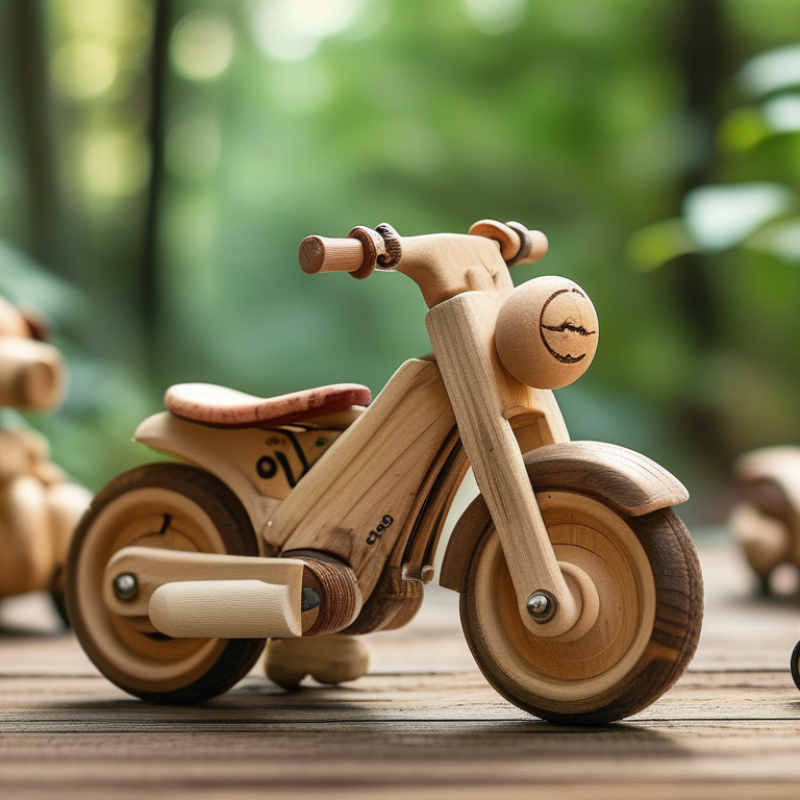
How to Choose Eco Friendly Ride On Toys for Your Kids?

Understanding Eco-Friendly Materials for Ride-On Toys

When choosing eco-friendly ride-on toys for children, understanding the materials is vital. Many toys are made from either wood or plastic. Natural wood is a great option. It is durable and biodegradable. Look for sources that follow sustainable practices. This ensures that forests are managed responsibly.

On the other hand, plastic can be tricky. Not all plastic is created equal. Some are recyclable, while others are not. Focus on toys made from recycled materials. Additionally, check if the plastic is free from harmful chemicals. These factors greatly impact the safety of your child’s playtime experience.

While green options exist, consider the toy's longevity. A flashy design may attract kids, but will it last? Remember, a toy is eco-friendly only if it's used for years, not tossed aside. Parent choices affect the planet. So, select wisely and reflect on the impact each toy has on your child's future.

Evaluating Safety Standards and Certifications for Kids' Toys

When selecting eco-friendly ride-on toys for children, safety should be a top priority. Examine the safety standards that govern the toys you consider. Look for compliance with ASTM (American Society for Testing and Materials) or EN71 (European toy safety standards). These certifications ensure the toys have undergone rigorous testing. Toys meeting these standards are less likely to pose hazards during play.

Consider the materials used in ride-on toys. Opt for those made from sustainable resources. Organic wood is an excellent choice. It minimizes exposure to harmful chemicals, reducing health risks. Avoid toys with toxic paints or finishes. They can emit fumes, posing risks in poorly ventilated areas. Check for non-toxic certifications, such as the CPSC (Consumer Product Safety Commission) label.

Observe how the toy is constructed. Loose parts or sharp edges can be dangerous. Watch for design flaws that could lead to accidents. A solid build ensures durability and safety in active play. Keep in mind that even certified toys may require extra supervision. As children explore, accidents can happen. Always prioritize safety when allowing kids to use their ride-on toys.

Assessing the Brand’s Commitment to Sustainability Practices

When selecting eco-friendly ride-on toys, it’s important to assess the brand’s commitment to sustainability practices. Look for brands that prioritize environmentally responsible materials. Many companies now use recycled plastic or sustainably sourced wood. Verify if the materials are non-toxic and safe for children. Transparent brands share details about their sourcing and manufacturing processes, which helps in making informed choices.

Another aspect to consider is the brand’s production methods. Do they minimize waste and energy consumption? Brands that prioritize these factors often have a lower environmental impact. Certifications and eco-labels can serve as indicators of a brand’s dedication to sustainability. However, be cautious. Not all eco-labels are created equal; some may lack significant standards. It’s worthwhile to dig deeper into what those certifications truly mean.

Finally, reflect on the longevity of the toys. Eco-friendly choices should not only be sustainable but durable as well. Toys that break easily lead to more waste. Investigate customer reviews about the longevity of the product. Community feedback provides insight into how well these toys hold up over time. Engaging with others can enhance your understanding and help refine your choices in sustainable toys.

How to Choose Eco Friendly Ride On Toys for Your Kids?

Criteria Description Sustainability Rating (1-5) Material Used
Materials Use of recycled, organic, or non-toxic materials 4 Recycled plastics, bamboo
Manufacturing Process Eco-friendly production techniques 5 Sustainable energy sources
Durability Long-lasting design to reduce waste 4 High-quality composites
Safety Standards Comply with safety regulations and certifications 5 Non-toxic finishes
Recyclability Ability to recycle at end of life 4 Fully recyclable components

Exploring Age Appropriateness and Weight Limits in Eco Toys

When selecting eco-friendly ride-on toys, understanding age appropriateness and weight limits is essential. Research indicates that toys designed for various age groups can significantly enhance safety and enjoyment. According to the American Society for Testing and Materials (ASTM), ride-on toys are categorized by age, which helps prevent accidents related to size and strength discrepancies.

For infants and toddlers, choose toys that support their weight. The typical weight limit for ride-on toys for younger children is around 50 pounds. Higher weight limits might pose safety risks for smaller kids. It’s crucial to check product descriptions for this information. Many eco-friendly options now come with clear guidelines, making it easier for parents.

Tips: Always supervise your child during playtime. Make sure that they are using the toy correctly. Watch for signs of wear and tear, as this can compromise safety.

In contrast, for older children, ride-on toys that support heavier weights are beneficial. This allows for sharing and promotes social interaction among peers. Research shows that toys that accommodate kids up to 100 pounds can maintain engagement for diverse ages. However, the focus should remain on durability and environmental impact, ensuring toys are made of sustainable materials without hazardous chemicals.

Tips: Discuss with your child the importance of sharing toys. Encourage them to pick toys suited to their weight for safety.

Eco Friendly Ride On Toys: Age Appropriateness and Weight Limits

This chart showcases the weight limits of eco-friendly ride-on toys based on different age groups. It helps parents choose the right toy for their children while considering safety and age appropriateness.

Comparing Popular Eco-Friendly Ride-On Toy Options on the Market

When selecting eco-friendly ride-on toys, parents face many options. Popular materials include sustainably sourced wood, recycled plastics, and natural rubber. Research indicates that eco-friendly toys made from wood can reduce carbon emissions by up to 30% compared to plastic toys. Parents often overlook the impact of manufacturing processes on the environment. The production of synthetic materials can involve harmful chemicals, raising concerns about safety.

Furthermore, durability is a critical consideration. Studies suggest that eco-friendly ride-on toys tend to last longer than their plastic counterparts. A report by the International Journal of Environmental Research found that high-quality wooden toys can be passed down through generations, promoting sustainability. However, it’s important to find toys that meet safety standards to ensure they are safe for children.

Not every product labeled as eco-friendly lives up to its claims. Some companies engage in "greenwashing", leading parents to believe a toy is sustainable when it is not. Parents should look for certifications, such as ASTM or EN71, to validate claims. Educating oneself on materials used and the reliability of manufacturers is crucial in making informed choices.

FAQS

: What is crucial when selecting eco-friendly ride-on toys?

: Understanding age appropriateness and weight limits is essential for safety and enjoyment.

What is the typical weight limit for ride-on toys for younger kids?

The typical weight limit is around 50 pounds for infants and toddlers.

Why should parents supervise children during playtime with ride-on toys?

Supervision ensures children use toys correctly and can prevent accidents.

What weight limits are beneficial for ride-on toys for older children?

Toys that support up to 100 pounds promote sharing and social interaction.

How can eco-friendly toys impact the environment?

Eco-friendly toys made from wood can reduce carbon emissions significantly.

What should parents check to ensure toys are safe for their children?

Parents should look for certifications like ASTM or EN71 to validate safety claims.

What problem do some products labeled as eco-friendly create?

Some may engage in "greenwashing," misleading parents about their sustainability.

What materials are commonly used in eco-friendly ride-on toys?

Common materials include sustainably sourced wood, recycled plastics, and natural rubber.

How do eco-friendly toys compare in durability to plastic ones?

Eco-friendly toys often last longer and can be passed down through generations.

Why is it important to educate oneself about toy materials?

Understanding materials helps parents make informed choices about safety and sustainability.

Conclusion

When learning how to choose eco friendly ride on toys for your kids, it is essential to consider several factors. Start by understanding the eco-friendly materials used in these toys, ensuring they are free from harmful chemicals and sourced sustainably. Additionally, evaluating safety standards and certifications is crucial to ensure the toys meet the required safety guidelines for children.

Moreover, assessing the brand's commitment to sustainability practices can give insight into their overall impact on the environment. It’s also important to explore the age appropriateness and weight limits of the toys to guarantee they suit your child's developmental stage. Finally, comparing popular eco-friendly ride-on toy options on the market will help you make an informed decision that balances sustainability with safety and fun for your little ones.

Sophia

Sophia

Sophia is a dedicated marketing professional with an exceptional depth of knowledge about her company's products and services. With a keen understanding of market trends and customer needs, she crafts insightful blog posts that not only inform but also engage readers, enriching the company’s online......