KTG Car KTG Car

How to Choose the Right Size Ride On Toy for Kids?

Time:2026-07-02 Author:Isabella
0%

Choosing the right size ride-on toy for kids is crucial for their safety and enjoyment. According to a report by the American Society for Testing and Materials (ASTM), proper sizing can significantly reduce the risk of accidents. Dr. Sarah Thompson, a child development expert, emphasizes, "The right-sized toy helps kids develop motor skills and confidence while playing."

When parents consider how to choose the right size ride-on toy, they should account for their child's age and physical abilities. A toy that is too large can lead to falls. Conversely, one that is too small may not provide the excitement children seek. The toy should offer a comfortable fit, allowing for easy maneuverability and control.

Research indicates that 70% of parents report their children prefer toys that match their size and capability. This preference can enhance creativity and playtime satisfaction. A well-chosen ride-on toy not only entertains but also nurtures physical development. Parents should take time to evaluate options, balancing fun and safety with careful market exploration.
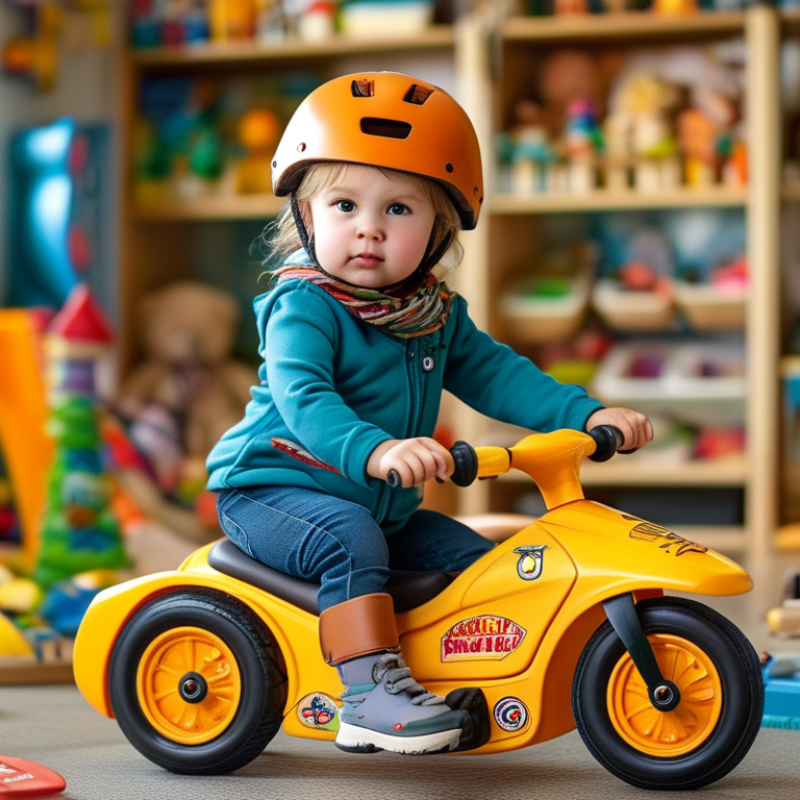
How to Choose the Right Size Ride On Toy for Kids?

Choosing the Correct Size for Your Kid's Ride On Toy

When selecting a ride-on toy, size matters greatly. A toy that is too big can be intimidating. Conversely, one that is too small might limit your child’s active play. Ideally, the ride-on should allow your child to sit comfortably with their feet flat on the ground. This position provides better control and stability.

Consider your child’s age and height when making this decision. Young toddlers often prefer smaller, lower vehicles. These toys encourage confidence as they learn to navigate. For preschoolers, a slightly larger ride-on toy can promote exploration. As children grow, their interests change too. It's common for a child to outgrow a favorite toy, leading to frustration.

Monitoring your child's playtime is crucial. Look for signs of discomfort, such as difficulty reaching the handles or feeling unstable. A well-sized ride-on toy should feel like an extension of your child. Remember, safety is key. Ensuring a toy is the right size not only boosts confidence but also minimizes risks of accidents. It's worth taking the time to choose wisely.

Understanding Age and Weight Recommendations for Ride On Toys

When selecting a ride-on toy for your child, age and weight recommendations are crucial. The American Society for Testing and Materials (ASTM) sets guidelines to help parents choose effectively. For instance, a toy designed for toddlers usually supports weights up to 50 pounds. In contrast, models aimed at older children can accommodate up to 100 pounds. Keeping your child’s weight in mind ensures safety during playtime.

Age recommendations guide initial choices. For children aged 2-4, look for ride-ons with lower seat heights. Toys for this age group often have features like sturdy bases and wide tires for stability. Conversely, older kids may prefer models with more speed or advanced features. However, consider whether your child is physically ready for such toys. Some children may be drawn to larger models, yet they could struggle with their size.

Understanding the right size of a ride-on toy fosters greater enjoyment and safety. A poorly chosen toy could lead to frustration or accidents. It’s essential to observe your child’s interaction with their ride-on. If they seem uncomfortable or don’t fit well, it might be time for a rethink. Evaluating these factors provides insights into your child's developmental needs and preferences.

How to Choose the Right Size Ride On Toy for Kids

This chart illustrates the recommended weight limits for various types of ride-on toys based on age groups. It can help parents choose the appropriate toy for their children.

Evaluating Ride On Toy Dimensions for Optimal Safety and Comfort

Choosing the right size ride-on toy for kids is crucial for their safety and enjoyment. When evaluating dimensions, consider the child's height and weight. A toy that is too small may not provide proper support, leading to discomfort. Similarly, a larger toy can be challenging for a child to control, potentially causing accidents.

Measurements matter. Look for a toy with a comfortable seat height. Ideally, children should be able to touch the ground with their feet. This not only helps them feel secure but also aids in balance. Be mindful of the width as well. A toy that’s too narrow can be unstable, while a wider base offers more support.

Parents should also reflect on the child's growth. Kids grow quickly, and a toy that seems perfect now may soon feel cramped. It might be worth considering adjustable features that can adapt as your child grows. Ensuring a safe and enjoyable experience requires attention to these details. Always check for weight limits and ensure the toy complies with safety standards.

Selecting Features Based on Your Child's Height and Riding Skills

When choosing a ride-on toy for children, one crucial factor is their height and riding skills. According to industry standards, most ride-on toys are designed for specific weight and height ranges. For instance, a toy suitable for children aged 3 to 5 typically supports heights from 36 to 42 inches. However, many parents overlook height guidelines, leading to unsafe riding experiences.

Understanding your child's riding skills also plays a significant role in selecting the right toy. A report from the American Academy of Pediatrics highlights that age-appropriate toys enhance a child’s coordination and confidence. Children who are still mastering balance may require larger, more stable ride-on toys. On the other hand, those with advanced skills might enjoy faster, more agile options.

It's vital to observe your child as they interact with different toys. Do they struggle to reach the pedals? Or do they seem overconfident, risking falls? These observations can provide insight into what could be improved. Selecting a ride-on toy isn’t just about fun; it's about safe, responsible play that matches your child’s development. This thoughtful approach ensures that your child enjoys riding while building essential skills.

Importance of Manufacturer Guidelines in Size Selection for Toys

Choosing the right size ride-on toy for kids can be daunting. Manufacturer guidelines are key in this selection process. They provide essential information about weight limits and appropriate age ranges. For instance, a recent study highlighted that improper sizing can lead to accidents. Over 70% of incidents involved inappropriate toy size for the child’s age and weight.

When assessing size, consider your child’s height and weight. Compare these measurements with the manufacturer’s recommendations. Many guidelines state that toys must support the child's weight comfortably. Children should be able to reach the steering controls easily. This helps develop motor skills while ensuring safety.

Tips for selecting the right ride-on toy:
- Always check the manufacturer's weight limit.
- Look for features that can accommodate growth.
- Consider safety features like seat belts or sturdy handrails.

Finding the right size is not just about fit. It's about safety and enjoyment. Choosing a toy that is too small or too large can diminish the play experience. Many parents overlook this aspect, focusing more on aesthetics. The results can lead to frustration and potential hazards. It’s essential to reflect on these choices carefully.

How to Choose the Right Size Ride On Toy for Kids?

Age Group Recommended Size (Length x Width) Weight Limit Manufacturer Recommendations
1-2 years 28" x 15" 50 lbs Supervised use is recommended.
3-5 years 32" x 18" 70 lbs Check age appropriateness.
5-8 years 36" x 20" 100 lbs Ensure safety features are intact.
8-12 years 40" x 24" 150 lbs Follow specific guidelines for optimal use.

FAQS

: Why is the size of a ride-on toy important?

: Proper size ensures safety and comfort. A toy that’s too small may cause discomfort, while a large one can be hard to control.

How can I determine the right size for my child?

Measure your child's height and weight. Check if they can touch the ground with their feet while seated.

What should I look for in the seat height?

A comfortable seat height allows kids to reach the ground easily, promoting security and balance during play.

How often should I reassess the toy's size?

Kids grow quickly, so regularly evaluate if the toy still suits your child's needs. It may soon feel cramped.

Are adjustable features important?

Yes, adjustable features can help accommodate your child's growth, extending the toy's usability and comfort over time.

What guidelines should I follow for safety?

Always check manufacturer guidelines for weight limits and age appropriateness. These details are critical for safety.

Why do parents often ignore size when choosing toys?

Many focus on aesthetics rather than fit. Ignoring size can lead to frustration and unsafe situations during play.

How do I ensure my child can control the toy?

Confirm that your child can easily reach steering controls. This helps develop motor skills while enhancing safety.

What safety features should I look for?

Consider toys with seat belts or sturdy handrails. These features add an extra layer of safety during playtime.

Can improper toy size really lead to accidents?

Yes, research shows over 70% of accidents involve toys that are not sized correctly for the child's age and weight.

Conclusion

When considering how to choose the right size ride on toy for kids, it's essential to evaluate various factors that ensure both safety and enjoyment. Start by understanding age and weight recommendations specific to the toy; these guidelines provide a foundational insight into what is suitable for your child. Next, assess the toy's dimensions to guarantee optimal safety and comfort during use, ensuring that your child can ride confidently.

Moreover, it's important to select features tailored to your child's height and riding skills, as these can enhance the overall experience. Manufacturer guidelines should not be overlooked, as they often contain vital information regarding size selection and safety standards. By taking these considerations into account, you can effectively choose the right size ride on toy that caters to your child's needs, providing a fun and safe riding experience.

Isabella

Isabella

Isabella is a dedicated marketing professional with a sharp focus on driving brand growth and engagement through strategic content creation. With an extensive background in digital marketing, she combines her passion for storytelling with her keen understanding of industry trends to deliver......