KTG Car KTG Car

How to Clean and Maintain Kids Electric Vehicles in 2026?

Time:2026-09-27 Author:Ethan
0%

In 2026, kids’ electric vehicles still need regular care, even when they travel only across a driveway or garden path. Dust collects around wheel hubs, crumbs settle beneath the seat, and damp grass can leave residue near electrical connections. Knowing how to clean and maintain kids electric vehicles helps protect their finish and spot small problems before the next ride. It also gives caregivers a simple way to check whether the vehicle is ready to use.

Start with the manufacturer’s care instructions, since cleaning methods and battery arrangements vary by model. Switch the vehicle off and disconnect or remove the battery only as directed. Use a soft, slightly damp cloth on the body, and keep water away from switches, charging ports, and exposed wiring. No pressure washer. Let all parts dry fully before reconnecting power. A shiny surface is not the whole story.

Routine checks matter just as much. Look for cracked plastic, loose fasteners, worn tires, damaged cables, and steering or braking parts that feel different than usual. Check battery connections for visible dirt or corrosion, but do not scrape or handle them carelessly. If something seems damaged, stop using the vehicle and consult the manual or a qualified service provider. Small checks can prevent bigger surprises, though they cannot replace proper repairs. This guide covers practical cleaning steps, sensible maintenance habits, and warning signs worth taking seriously.
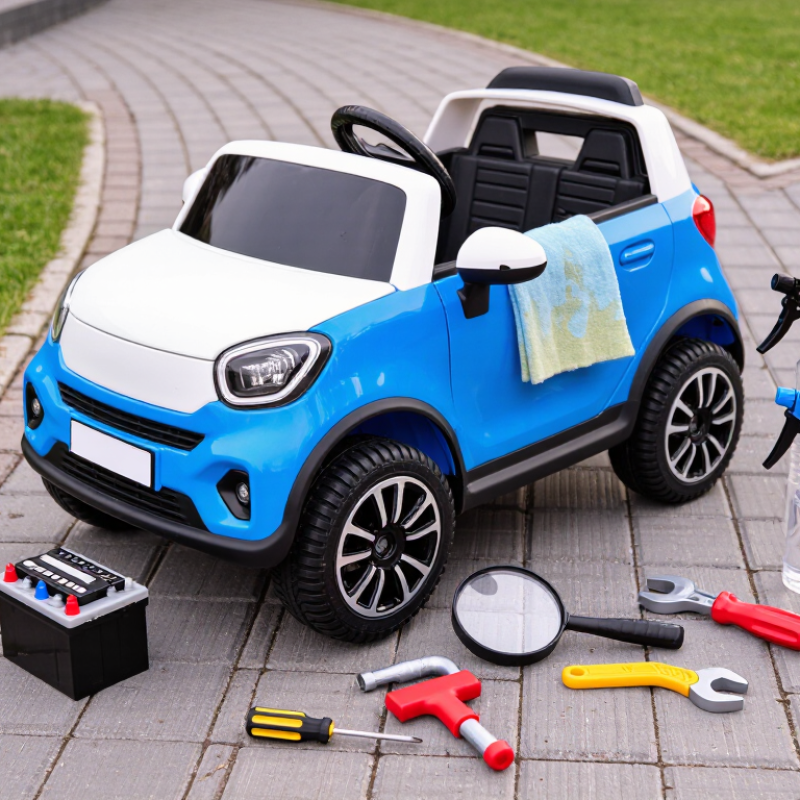
How to Clean and Maintain Kids Electric Vehicles in 2026?

Understanding the Parts and Care Needs of Kids’ Electric Vehicles

Kids’ electric vehicles contain more than a motor and colorful plastic. Key parts include the battery, charger, fuse, throttle, brake switch, wiring, wheels, and frame. Each part needs different care. Lead-acid batteries require clean terminals and secure connections. Lithium-ion packs need dry storage and careful charging. Never use a swollen, cracked, or hot battery.

The U.S. Environmental Protection Agency reports that lead-acid batteries achieve recycling rates above 99% in the United States. That figure supports responsible replacement, not household disposal. The U.S. Consumer Product Safety Commission also advises using the supplied charger and checking products for electrical hazards. Inspect the cable before every ride. Look for exposed wires, loose plugs, or melted plastic. Small faults can become serious.

Keep tire pressure within the manual’s range. Low pressure strains the motor and reduces braking control. Wipe mud from the brake area after outdoor use. Do not spray water near the battery compartment. Dry it with a soft cloth instead. Test the brake switch before each ride. It should stop power immediately.

Care routines are not perfect. Children may hide damage, and adults may miss a loose connector. I once underestimated a faint grinding sound; that was a mistake. Stop using the vehicle when unusual noise, heat, smell, or reduced power appears. Have a qualified technician inspect internal electrical parts. Follow ASTM F963 toy-safety guidance and the battery maker’s instructions.

How to Clean and Maintain Kids’ Electric Vehicles in 2026

This chart shows a practical annual maintenance schedule for common parts of kids’ electric vehicles. Check tires, brakes, steering, fasteners, battery connections, and the charger regularly. Clean the vehicle with a damp cloth, keep electrical parts dry, and follow the vehicle’s user manual for battery charging and storage.

Preparing the Vehicle and Supplies for Safe Cleaning

Before cleaning a children’s electric vehicle, switch it off, remove the key, and disconnect the battery only as the manual directs. Park it on a dry, level surface, away from children and pets. Keep the charger unplugged. Check the manual for battery-removal instructions and cleaning restrictions; designs differ, and guessing is not a great plan. Gather a soft cloth, a small brush, mild soap, and a dry towel. Avoid pressure washers and soaking: water can reach switches, connectors, or battery compartments.

Prepare the vehicle before touching the dirt. Look for cracked insulation, loose wiring, damaged plugs, or a swollen battery. Do not clean or charge a vehicle with visible electrical damage; ask a qualified service professional for guidance. The U.S. Consumer Product Safety Commission’s 2023 toy-injury report estimated 231,700 toy-related emergency-department injuries across all age groups. That figure does not identify cleaning as a cause, but it underlines why safe handling and regular checks matter. Wipe mud from the tires and body with a damp cloth, then dry seams and controls carefully.

Tips: Keep the battery area dry. Use a brush for grit around pedals and wheel wells. Never spray directly at electrical parts. I sometimes miss the underside on a quick wipe; check it again before reconnecting power. Wait until the vehicle is fully dry before charging or letting a child ride.

Cleaning the Body, Seat, Wheels, and Controls

How to Clean and Maintain Kids Electric Vehicles in 2026?

Cleaning the Body, Seat, Wheels, and Controls

Before cleaning, switch off the vehicle and disconnect the battery if the manual allows it. Remove loose dirt with a soft, dry brush. Wipe the body with a damp microfiber cloth and mild soap, then dry it with a clean towel. Avoid spraying water directly into seams, vents, or charging ports. A garden hose feels quicker, but it can push moisture into places you cannot easily inspect.

Clean the seat with a lightly damp cloth, especially around stitching where crumbs collect. For stubborn marks, use a little soapy water and test an unseen area first. Keep cleaners away from children, and never mix products. I once missed a sticky patch beneath the seat edge; it was small, but it attracted more dust the next day.

Brush dried mud from the wheels and wheel wells before wiping them. Check for wrapped hair, loose debris, cracked plastic, or unusual wobbling. Use a barely damp cloth around the controls, and dry them immediately. Do not pour cleaner onto buttons or the steering wheel. After everything is dry, check that pedals and switches move freely. If a control sticks, stop using the vehicle and consult its manual or a qualified repair professional. Some dirt hides well. Inspect again in daylight.

How to Clean and Maintain Kids Electric Vehicles in 2026? — Cleaning the Body, Seat, Wheels, and Controls
Area Cleaning Method Avoid Routine Check Suggested Frequency
Body and plastic panels Switch the vehicle off. Wipe with a soft cloth dampened with clean water and a small amount of mild soap. Wipe again with a clean damp cloth, then dry. Pressure washers, garden hoses, abrasive pads, strong solvents, and excess water near openings. Look for cracks, loose trim, sharp edges, or loose fasteners. Wipe after muddy or dusty use; inspect during regular cleaning.
Seat Wipe plastic or vinyl surfaces with a soft damp cloth and mild soap. Dry thoroughly before the next ride. Soaking the seat, bleach, harsh cleaners, and abrasive brushes. Check that the seat is secure and that any seat belt or buckle is undamaged and works correctly. Clean when dirty; check the mounting and restraint before each ride.
Wheels and tires Remove mud and grit with a soft brush or damp cloth. Dry the wheels and clear debris from around the axles. Applying oil or grease to tire treads, brake parts, or other areas unless the vehicle manual specifies it. Check for cracks, unusual wear, trapped debris, loose wheel hardware, or wheels that do not turn freely. Inspect before each ride; clean after use in mud, sand, or wet conditions.
Controls and dashboard Turn the vehicle off and wipe buttons, switches, and the dashboard with a nearly dry soft cloth. Use a cotton swab for accessible crevices. Spraying cleaner directly onto controls, immersing parts, or letting liquid enter openings. Confirm switches respond normally and check for sticky buttons, damaged wiring, or loose connections. Wipe as needed; check controls before each ride.
Battery and charging area Switch off and disconnect the charger before cleaning. Keep the battery and connectors dry; follow the vehicle manual for battery care. Cleaning with water, opening a sealed battery, or charging a wet or visibly damaged battery. Look for damaged cables, loose connectors, corrosion, or swelling. Stop using the vehicle if damage is visible. Inspect regularly and whenever charging or performance seems unusual.
After cleaning Leave the vehicle in a well-ventilated place until fully dry. Reconnect or charge only as directed by the manufacturer. Riding or charging while the vehicle or charging connection is wet. Check that all cleaned parts are dry and that fasteners and accessories remain secure. After every wet cleaning or ride in rainy conditions.

Safety reminder: Follow the vehicle’s owner’s manual for model-specific cleaning, battery, and maintenance instructions. An adult should perform cleaning and inspections; keep children away from cleaning products and charging equipment.

Checking the Battery, Wiring, Tires, and Moving Parts

How to Clean and Maintain Kids Electric Vehicles in 2026?

Checking the Battery, Wiring, Tires, and Moving Parts

Before cleaning, switch off the vehicle and disconnect the battery if the manual allows it. Wipe the battery casing with a dry cloth; never spray water into charging ports or seams. Check for swelling, cracks, unusual heat, or a loose connector. Stop using a damaged battery and contact a qualified service professional. The U.S. Consumer Product Safety Commission’s micromobility hazard reports track fire and burn incidents involving battery-powered devices. Those products are not identical to children’s ride-on vehicles, but the reports underline why damaged batteries and charging components deserve careful inspection.

Look along the wiring for pinches, exposed copper, or connectors pulled partly free. Check tires for embedded grit, deep cuts, and soft spots, then compare inflation with the vehicle manual rather than guessing by touch. A low tire can make steering feel sluggish. Small detail, big difference. Use a soft brush around axles and moving joints to remove hair and dried mud. Apply lubricant only where the manual recommends; excess can attract dust and turn into gritty paste.

After a damp ride, dry metal fasteners and let the vehicle air out before charging. I sometimes miss a thin strand of hair around an axle on the first check. Look twice. Keep a simple maintenance log with dates, tire condition, and battery observations. The CPSC’s incident reporting is a useful reminder that electrical and mechanical problems can have real consequences, though it does not provide a failure rate for children’s vehicles specifically.

Storing the Vehicle and Setting a Maintenance Routine

How to Clean and Maintain Kids Electric Vehicles in 2026?

Storing the Vehicle and Setting a Maintenance Routine

Choose a cool, dry storage spot away from direct sunlight, heaters, and damp floors. Wipe mud from the tires and body before parking; trapped grit can scratch plastic and collect around moving parts. Switch the vehicle off and follow its manual for battery storage and charging. Different battery types need different care. If the vehicle will sit unused for weeks, check its charge at the interval recommended by the manufacturer.

Tips: Keep the charger and vehicle dry. Store small loose parts in a labeled container. Before each ride, check the tires, steering, seat belt, and visible wires. Look for cracks, loose screws, or unusual wear. A two-minute check helps catch small problems early.

Set a simple routine that fits your household. After muddy rides, clean with a soft cloth and mild soapy water; avoid soaking electrical connections or spraying water into openings. Once a month, inspect fasteners and moving parts, then tighten or service them only as the manual directs. Keep a note of checks and repairs near the charging area. I sometimes forget a scheduled check, so a recurring phone reminder can help. Stop using the vehicle if a wire looks damaged or the battery seems swollen, unusually hot, or smells odd; ask a qualified service professional for guidance.

FAQS

How should I clean a child’s electric vehicle body?

Switch it off first. If the manual permits, disconnect the battery. Brush away loose dirt, then wipe the body with mild soapy water and a microfiber cloth. Dry it with a clean towel.

Can I rinse the vehicle with a garden hose?

Avoid direct spraying. Water can enter seams, vents, and charging ports, where moisture may be hard to spot.

How do I clean the seat and controls?

Use a lightly damp cloth on the seat and around its stitching. Test soapy water on a hidden patch before treating stubborn marks. Wipe controls gently, then dry them right away.

What should I check on the wheels?

Brush off dried mud, then look for wrapped hair, trapped debris, cracked plastic, or unusual wobbling. Check again in daylight; small problems can hide in wheel wells.

What should I do if a pedal or switch sticks?

Stop using the vehicle. Check the manual or contact a qualified repair professional. Do not pour cleaner onto buttons or the steering wheel.

Where should I store the vehicle?

Choose a cool, dry place away from sunlight, heaters, and damp floors. Keep the charger dry, too. A labeled container can hold small loose parts.

How often should I inspect the vehicle?

Before each ride, check the tires, steering, seat belt, and visible wires. About once a month, inspect fasteners and moving parts, following the manual for any adjustments.

What should I do before storing it for several weeks?

Wipe away mud and follow the manual’s battery storage and charging instructions. Battery care varies by type, so check the recommended charge interval.

What warning signs mean I should stop using it?

Stop if a wire looks damaged or the battery seems swollen, unusually hot, or smells odd. Ask a qualified service professional for guidance. A phone reminder may help with routine checks.

Conclusion

Learning how to clean and maintain kids electric vehicles helps keep them safe, reliable, and enjoyable for longer. Start by understanding the main parts, including the body, seat, wheels, controls, battery, wiring, tires, and moving components. Before cleaning, switch off and unplug the vehicle, remove loose items, and prepare soft cloths, mild soapy water, a small brush, and a dry towel. Avoid soaking electrical areas or using harsh chemicals.

Clean the body and seat gently, then remove dirt from the wheels and controls without allowing water to enter switches or connections. Afterward, inspect the battery and wiring for damage, check tire condition and pressure, and make sure moving parts operate smoothly. Tighten loose fasteners when necessary and address unusual sounds or performance changes promptly. Store the vehicle in a dry, shaded location, keep the battery according to its instructions, and follow a regular routine for cleaning, charging, inspection, and safe storage.

Ethan

Ethan

Ethan is a seasoned marketing professional with a deep expertise in our company's innovative product line. With a passion for sharing knowledge and insights, he takes the lead in regularly updating our corporate blog, where he explores industry trends, product features, and effective marketing......