 KTG Car
KTG Car
KTG Car
Storing ride-on toys properly is crucial for their longevity. Parents often wonder how to store ride-on toys when not in use. These toys, while fun, can take up significant space if not managed correctly.
The right storage methods protect both the toys and your home. You can avoid outdoor elements that cause wear and tear. Think about clean, dry spaces like garages or sheds. Shelving units can be ideal for organizing, ensuring that toys remain accessible yet out of the way.
Consider the size and material of each toy. Larger ones may require more room, while smaller toys can be stacked or hung. Reflect on your available space and your needs. You might find that what seemed like a perfect solution doesn't quite fit, prompting you to rethink your approach. Overall, maintaining ride-on toys through effective storage will keep them in good shape for future use.
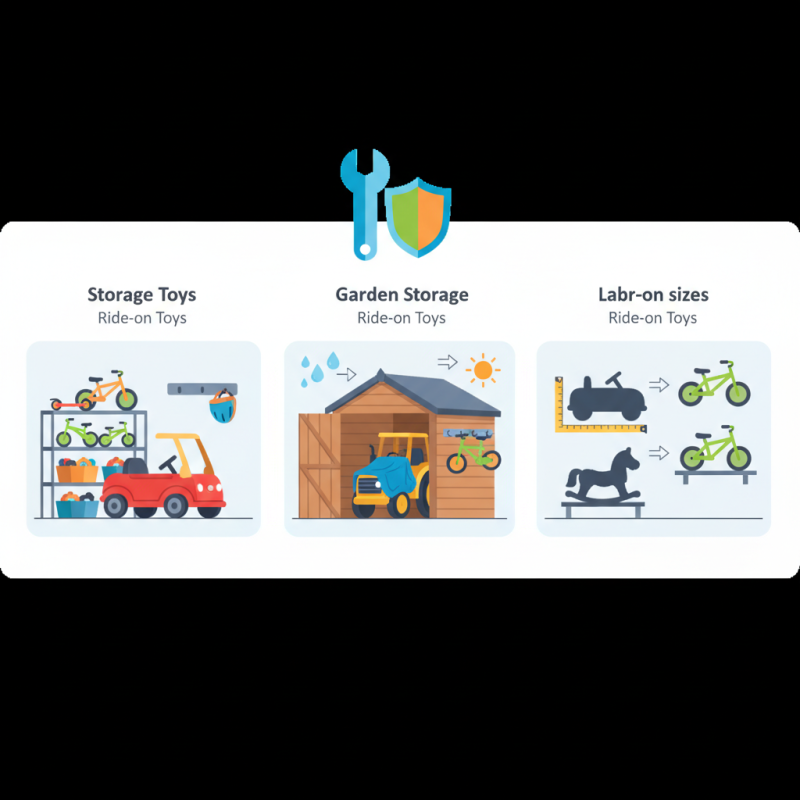
When considering how to store ride-on toys effectively, selecting the right location is crucial. A well-chosen space can prolong the lifespan of these toys and keep them safe from damage. According to a recent study by the International Toy Industry, about 38% of parents reported that improper storage led to wear and tear on their children's toys. A dedicated storage area minimizes hazards and preserves quality.
Opt for a dry, indoors location. Ideally, it should have adequate ventilation to prevent rust or mold. Avoid areas exposed to harsh sunlight or dampness. Outdoors storage can lead to deterioration quickly. If indoor space is limited, consider using vertical storage solutions, such as wall mounts. This not only saves space but also keeps toys off the ground.
Tips for effective storage often include labeling bins for easy access. This helps children find their toys without frustration. Regularly checking the condition of toys is essential. Ensure that none are damaged or unsafe. Lastly, involving children in storage routines can encourage responsibility for their belongings. This not only promotes organization but cultivates a sense of ownership. By creating the right storage habit, you can support both the toys' longevity and your child's development.
| Location | Advantages | Disadvantages | Considerations |
|---|---|---|---|
| Garage | Protects from weather; ample space | Might be too humid or cold | Ensure it is dry and temperature controlled |
| Garden Shed | Keeps toys out of sight; protects from elements | Limited space; potential pests | Check for signs of pests; ensure ventilation |
| Under Bed | Saves space inside the house | Difficult to access; might gather dust | Use storage bins for better organization |
| Living Room | Easily accessible for play | Can clutter the space | Rotate toys to maintain organization |
| Basement | Out of the way; temperature controlled | May have humidity issues | Use dehumidifiers if necessary |
: A good location prolongs the lifespan of toys and protects them from damage.
A dry, indoors location with good ventilation is ideal.
Yes, outdoor storage can lead to quick deterioration of toys due to elements.
Use vertical storage solutions, like wall mounts, to keep toys off the ground.
Label bins for easy access, helping children find their toys without frustration.
Regular checks are essential to ensure toys are safe and undamaged.
Involving them promotes responsibility and cultivates a sense of ownership of their belongings.
They shield toys from dust, moisture, and sunlight, which can cause damage.
Consider fabric types and thickness based on the toy’s materials and environmental exposure.
It can lead to costly repairs or replacements, affecting long-term savings.
When considering how to store ride on toys when not in use, it's essential to begin by choosing the right location for their storage. A dry, clean area that minimizes exposure to moisture and direct sunlight will help preserve the toys' condition. Additionally, thorough cleaning and maintenance should be carried out before storage, ensuring that dirt or grime does not cause damage over time.
To optimize space, disassembling the toys when possible can be a practical solution. Moreover, using protective covers can safeguard against dust and scratches. Organizing with shelving or storage bins enhances accessibility, making it easier to retrieve the toys when they are needed again. By following these steps, you can effectively manage the storage of ride on toys, keeping them in great shape for future use.
