KTG Car
Enhancing children's outdoor play is essential for their development. Dr. Mary Johnson, an expert in child psychology and outdoor education, emphasizes, “Nature is the best playground for children.” Her insight highlights the need for innovative approaches to foster creativity and connection during outdoor play.
Understanding how to improve kids' outdoor play experience can seem daunting. Parents often feel overwhelmed by screen time and organized sports. However, simple changes can lead to significant benefits. Encouraging unstructured playtime outdoors allows kids to explore their environment. Nature provides countless opportunities for discovery and learning.
Consider how you can make outdoor spaces more inviting. Use colorful, natural elements to spark curiosity. Create safe zones for adventurous activities. Remember, every child is unique, and their play preferences differ. Observing what excites them can provide valuable insight. Finding joy in their outdoor adventures is a complex but rewarding journey.
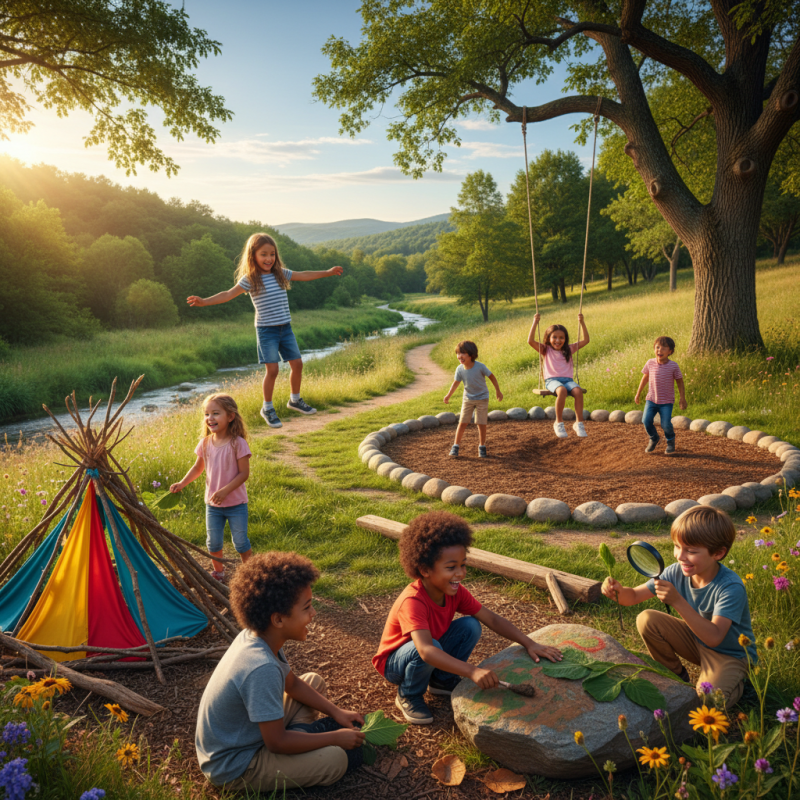
Outdoor play offers children numerous developmental benefits. Exposure to nature helps enhance creativity. Kids explore their environment in ways that stimulate curiosity. Climbing trees, building forts, and playing tag foster critical thinking and problem-solving skills. These experiences boost confidence and resilience.
Physical health benefits are also significant. Running, jumping, and climbing strengthen muscles and coordination. Outdoor activities can combat childhood obesity. Fresh air is vital for overall well-being. It improves mood and reduces anxiety. However, some children may struggle with outdoor play. They might feel overwhelmed or shy in unfamiliar settings. Teachers and parents can help by gradually introducing activities.
Social skills grow through shared experiences. Kids learn teamwork and empathy when they play together. Conflicts may arise, providing valuable lessons in conflict resolution. These moments help develop emotional intelligence. Encouraging children to express feelings outdoors can lead to self-discovery. Each play session is a chance to learn and grow. Embrace both the joy and the challenges of outdoor play.
Creating a safe and stimulating outdoor environment for kids is essential for their development. Start with a clear space free from hazards. Ensure there are no sharp objects or harmful plants nearby. Use natural materials like wooden blocks and stones. These items inspire creativity and encourage children to explore their surroundings.
Incorporate features like shaded areas and open spaces for running. These elements foster physical activity. Children thrive in environments where they feel comfortable and engaged. Consider adding sensory elements, like sand or water play areas. They provide unique experiences and stimulate curiosity. Reflect on how these spaces can adapt to the changing needs of children.
Be mindful of supervision while kids play outside. Active engagement from adults enhances safety and allows for shared exploration. Encourage kids to take manageable risks, such as climbing or jumping. It's essential to strike a balance between safety and adventure. Children learn through challenges, but they need a safety net.
Incorporating nature-based activities into children’s playtime can significantly enrich their outdoor experiences. Nature isn’t just a backdrop; it’s a playground filled with opportunities. For instance, simple tasks like building a fort from fallen branches foster creativity. Children learn to collaborate and communicate. This helps them develop social skills.
Engaging with soil or water encourages sensory exploration. Kids can dig, plant, or splash. This tactile interaction promotes not only fun but also learning about ecosystems. Nature walks stimulate curiosity. Observing different plants and animals ignites questions. These moments encourage discussions about biodiversity. They create lasting memories intertwined with learning, even if small challenges arise, like muddy shoes!
In this journey, parents should embrace the messiness of nature. It's okay if a child climbs a tree or gets dirt on their clothes. Each small risk offers life lessons about safety and confidence. It’s crucial to let kids roam a bit freely. Sometimes, they may stumble or feel overwhelmed. These experiences are often valuable for personal growth. In nature, children can explore their limits while discovering the world around them.
| Activity | Benefits | Recommended Age | Materials Needed |
|---|---|---|---|
| Nature Scavenger Hunt | Enhances observation skills and encourages exploration | 5+ | List of items, bags for collection |
| Building a Fort | Promotes creativity and teamwork | 4+ | Branches, leaves, blankets |
| Gardening | Teaches responsibility and patience | 6+ | Seeds, soil, pots |
| Nature Art | Encourages creativity using natural materials | 3+ | Leaves, flowers, stones |
| Outdoor Storytime | Combines literacy with outdoor fun | 2+ | Books, picnic blanket |
| Bird Watching | Enhances patience and respect for wildlife | 7+ | Binoculars, bird guide |
| Nature Games | Promotes physical fitness and teamwork | 5+ | Game equipment (balls, ropes) |
| Rock Painting | Encourages artistic expression and can beautify the environment | 4+ | Rocks, paint, brushes |
| Cloud Watching | Encourages imagination and relaxation | 3+ | Blanket for lying down |
| Trail Hiking | Enhances endurance and appreciation for nature | 8+ | Water, snacks, comfortable shoes |
Outdoor play is essential for children's development. Group outdoor games can significantly enhance social skills among kids. Research by the National Recreation and Park Association shows that 70% of kids prefer playing in groups. This preference often leads to improved communication and teamwork skills. When children engage in activities together, they learn to cooperate and make collective decisions.
Unique games can prompt interactions. For instance, tag or capture the flag can create excitement and build camaraderie. Kids often bond over shared challenges. However, not all children feel comfortable in group settings. Some may shy away from participation. It’s crucial for caregivers to encourage inclusion and provide a welcoming environment.
While outdoor play is beneficial, not every experience is perfect. Conflicts can arise among children, leading to disagreements. These moments, while challenging, are learning opportunities for conflict resolution. Providing guidance can help children navigate these social complexities. Overall, fostering group activities not only boosts physical health but also enriches social experiences.
Engaging in your child's outdoor play can significantly boost their creativity and confidence. As a parent, your presence makes a difference. When you join them, it shows you value their activities. This encourages them to explore the world around them. Go outside with them to kick a ball or climb a tree. It’s about enjoying time together, not just supervising.
Observe how they interact with nature. Kids learn a lot through play. They discover how to take risks and solve problems. Sometimes, though, you may feel unsure about what to do. That’s okay. Start by asking them questions about their games. What are they building? What are the rules? Open-ended questions can lead to deeper conversations. You might also find yourself learning something new.
Create a space where they feel free to experiment. Set up a scavenger hunt or a nature art project. Allow them to be messy. It’s part of the fun. Every outdoor experience doesn’t need to be perfect. Sometimes they may feel frustrated when things don’t go as planned. Encourage them to try again. Your support helps them build resilience and learn from mistakes.
: Outdoor play enhances children's creativity and problem-solving skills. It boosts confidence and resilience through exploration.
Activities like running and climbing strengthen muscles and coordination. Fresh air helps improve mood and reduces anxiety.
Some children may feel overwhelmed or shy in unfamiliar settings. They might struggle to engage with others.
Parents can introduce activities gradually. Supportive encouragement makes outdoor play less intimidating for shy kids.
Group games foster teamwork and empathy. Kids learn to communicate and resolve conflicts through shared experiences.
Tasks like building forts or exploring ecosystems enhance creativity and collaboration while promoting sensory exploration.
Nature encourages curiosity and learning. It provides opportunities for discovery, even if it means getting muddy occasionally.
Not all children feel comfortable participating. Caregivers should strive to create an inclusive environment for everyone.
Enhancing children's outdoor play experience is crucial for their development, and several strategies can be employed. First, understanding the benefits of outdoor play can help parents and caregivers create a safe and stimulating environment where children can explore and learn. This can be achieved by incorporating nature-based activities into playtime, fostering creativity and a deeper connection to the natural world.
Moreover, encouraging social interaction through group outdoor games promotes teamwork and communication skills among children. Parents can improve kids' outdoor play experience by actively participating in their children's activities, offering guidance, and setting up engaging playdates. By implementing these tips, families can ensure that outdoor play remains a fun, enriching, and safe experience for children, ultimately leading to their holistic development.