When choosing ride-on toys for children, parents often wonder: what features should parents look for in ride on toys? According to Jane Smith, a child development expert, "Safety and engagement are key in selecting the right ride-on toy."
Safety features include sturdy construction and reliable brakes, which can prevent accidents. Additionally, the right size is crucial. A toy that is too big or small can hinder a child's enjoyment and comfort. Parents should also consider toys with adjustable speeds. This ensures that toddlers can safely explore without going too fast.
Engagement matters too. Look for toys that encourage imaginative play. Bright colors and interactive elements can keep a child entertained for hours. However, not all toys will spark interest. Parents should pay attention to their child's preferences. Observing what captures their attention can guide better choices. Ultimately, thoughtful selection can lead to a more fulfilling playtime experience.
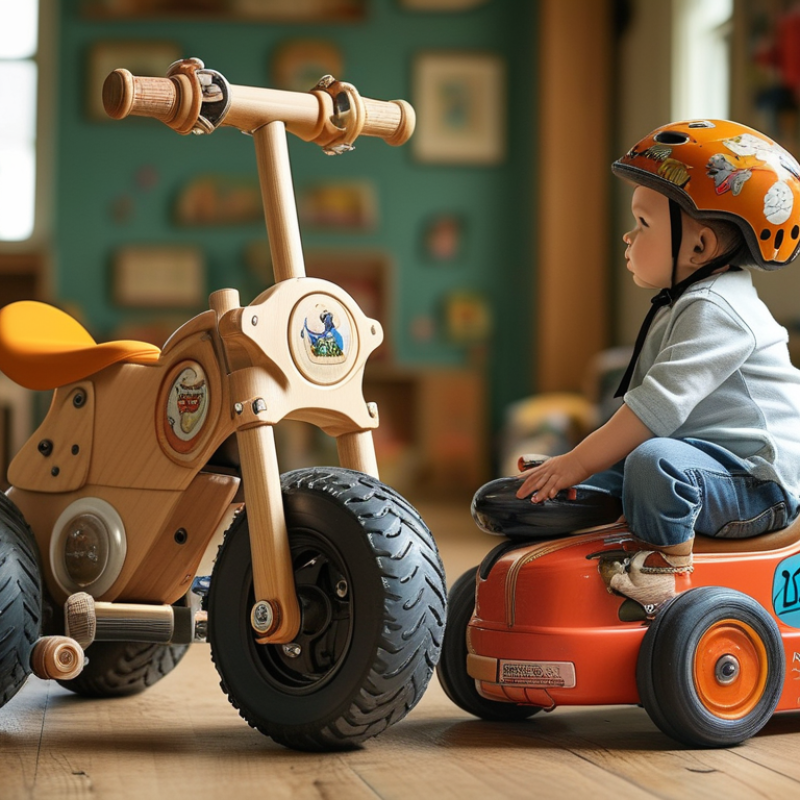
Understanding Your Child's Age and Developmental Needs
Choosing the right ride-on toy for your child largely depends on their age and developmental stage. Young toddlers, for instance, benefit from toys that enhance basic motor skills. Look for options that allow them to push or pull. They need stability and support as they explore their environment. Safety features like wide bases can help prevent tipping.
For preschoolers with more advanced skills, you'll want to select toys that promote imaginative play. Models that mimic vehicles or animals can ignite creativity. At this age, children exhibit a desire for speed and adventure. A toy that allows them to navigate different terrains will enhance their physical abilities while catering to their adventurous spirit.
Reflecting on your child's preferences is crucial. Some kids may rush into play, while others take their time to observe. It’s important to choose a toy that resonates with their interests. Always supervise them as they play, as their understanding of safety may not be fully developed yet. Balancing fun and safety is necessary for their growth and enjoyment.
Safety Features to Look for in Ride On Toys
When choosing ride-on toys for your child, safety should be the top priority. According to a recent industry report from the U.S. Consumer Product Safety Commission, over 60% of toy-related injuries occur in children under five. Thus, selecting toys with comprehensive safety features is essential. Look for toys that have a sturdy construction to prevent tipping. Models with a low center of gravity provide extra stability, significantly reducing the risk of falls.
Another crucial aspect is the presence of safety belts. A report from the American Academy of Pediatrics emphasizes that safety harnesses can prevent serious injuries during unexpected tumbles. Additionally, ensure the ride-on toy has rounded edges and non-toxic materials. Many parents underestimate the importance of product labeling. Toys should clearly indicate weight limits and age appropriateness, helping parents make informed decisions.
Pay attention to important features such as brakes. Some toys come equipped with efficient braking systems that can stop quickly. This characteristic is often overlooked but can be vital in emergency situations. Remember, even with the best features, parents should supervise their children while they ride. Ultimately, every ride-on toy carries inherent risks. The responsibility lies in selecting those that prioritize safety while also providing a fun experience.
Types of Ride On Toys: Electric vs. Manual Options
When considering ride-on toys for children, it's essential to weigh the options between electric and manual toys. Electric ride-ons offer convenience. With just a push of a button, kids can start their adventure. However, they require charging, which can be a point of frustration. Manual options, like push toys and pedal cars, promote physical activity. They're great for developing motor skills and balance.
Tips for choosing the right type: assess your child's age and energy levels. Some kids thrive on the independence of manual toys. Others may find electric options more exciting. Safety is key. Always check weight limits and ensure your child fits comfortably in the chosen ride-on.
Consider the environment, too. If you have space, electric toys can be thrilling outdoors. Manual toys suit small yards or indoor use. Reflect on your child’s interests. If they're drawn to technology, an electric toy may spark joy. Otherwise, they might prefer a hands-on experience with manual toys.
2026 Ride On Toys Features Comparison
This chart represents the distribution of different features in ride on toys, comparing electric options to manual options.
Durability and Material Considerations for Long-lasting Use
When selecting ride-on toys, durability and material are key factors. Many parents seek longevity in products. According to a report by the American Society for Testing and Materials, toys made from high-density polyethylene (HDPE) can last significantly longer than those made from lower-grade plastics. HDPE resists impacts and harsh weather, making it an excellent choice for outdoor use.
Moreover, the weight of the toy matters. Heavier toys tend to be sturdier. A study from the Consumer Product Safety Commission suggests that heavier toys are less likely to tip over during use. This stability is crucial, especially for younger children. In addition, ensure that the material is non-toxic. The U.S. Consumer Product Safety Improvement Act mandates strict testing for chemicals in toys, but not all manufacturers comply. It's important to verify safety standards for the peace of mind.
While many available options promise durability, there are often trade-offs. Some materials may resist wear but could harbor sharp edges. Additionally, certain designs may break down quicker than anticipated. Regular checks for wear and tear can prevent accidents. Ultimately, while many factors influence your choice, focus on materials that offer both safety and durability. Understanding these elements can lead to better purchases.
2026 How to Choose Ride On Toys Features for Your Child? - Durability and Material Considerations for Long-lasting Use
| Feature |
Material |
Durability Rating (1-5) |
Recommended Age |
| Wheels |
Plastic, Rubber |
4 |
2-5 Years |
| Body Frame |
Metal, Plastic |
5 |
3-7 Years |
| Seat |
High-density Foam, Plastic |
4 |
2-6 Years |
| Battery (for Electric Models) |
Lead-Acid, Lithium-ion |
3 |
3-8 Years |
| Safety Features |
Plastic, Metal |
5 |
2-10 Years |
Design and Aesthetic Appeal: Choosing a Toy Your Child Will Love
When choosing ride-on toys for your child, aesthetics play a crucial role. The design should be appealing and interesting, capturing their imagination. Bright colors and fun shapes can make a toy more inviting. Kids often gravitate toward toys that spark joy and curiosity. A well-designed toy not only attracts attention but also encourages exploration and play.
Consider the materials used in the toy's construction. Safe and durable materials ensure longevity, which is especially important for active kids. A toy that withstands rough play will be more satisfying for both child and parent. Examine the details, such as smooth edges or engaging textures. These features can enhance the overall play experience.
However, parents sometimes get caught up in aesthetics and ignore functionality. It's essential to balance looks with practicality. A beautifully designed toy may not always be the best fit for your child. Take the time to listen to your child’s preferences. What captures their interest? Ultimately, a toy that combines aesthetic appeal with solid performance will lead to countless hours of joy.
FAQS
: Safety should be the top priority when choosing ride-on toys.
Safety belts can prevent serious injuries during unexpected tumbles and falls.
High-density polyethylene (HDPE) is recommended for its impact resistance and longevity.
Heavier toys are generally sturdier and less likely to tip over during use.
Product labeling indicates weight limits and age appropriateness, helping parents make safe choices.
Efficient braking systems are important for stopping toys quickly in emergencies.
Bright colors and fun shapes can make toys more inviting and enjoyable for children.
Some durable materials may have sharp edges or other safety issues.
Supervision is essential to ensure safety, even with the best safety features.
Yes, parents may overlook functionality when focused solely on aesthetics, leading to poor choices.
Conclusion
When choosing ride-on toys for your child, it's essential to consider their age and developmental needs. Understanding what features should parents look for in ride-on toys includes safety features, such as stable design and secure seat belts, ensuring the toy is safe for your little one. Parents should also weigh the choice between electric and manual options, as well as durability and material considerations to ensure long-lasting use.
Additionally, design and aesthetic appeal play a significant role in a child's engagement with the toy. Selecting a ride-on toy that resonates with your child’s interests can enhance their play experience. By focusing on these critical aspects, parents can make informed decisions that promote both safety and enjoyment in their child's ride-on toy experience.
 KTG Car
