KTG Car
Choosing a toy for years of play requires more than bright packaging or a high price. Parents need to consider materials, construction, repairability, safety, and changing interests. The key question is how to select durable toys for long term use without confusing durability with unnecessary complexity.
Recent Circana industry reports show that toy purchases remain highly competitive, while families increasingly seek value from each purchase. A durable toy can reduce replacement costs, but only when it survives repeated handling. Think of wooden blocks with smooth edges, stitched fabric seams, thick puzzle pieces, and wheels that remain aligned after months of use. These details matter.
Safety still comes first. ASTM F963 and EN 71 provide recognized benchmarks for toy safety, while the U.S. Consumer Product Safety Commission publishes recalls and hazard guidance. Compliance does not guarantee perfect durability. It is only a foundation. A product may meet safety requirements yet crack under ordinary household use.
The Toy Association’s consumer research also highlights the importance of open-ended play and toys that support different ages. That finding deserves careful interpretation. A toy advertised as “growing with children” may still become boring quickly. Longevity involves physical strength and lasting usefulness.
This guide examines practical selection criteria, including material quality, replaceable parts, cleaning needs, age suitability, and manufacturer transparency. Check the joints. Read the care instructions. Ask whether the toy can still work after one small part is lost. No checklist is perfect. Careful judgment remains essential.
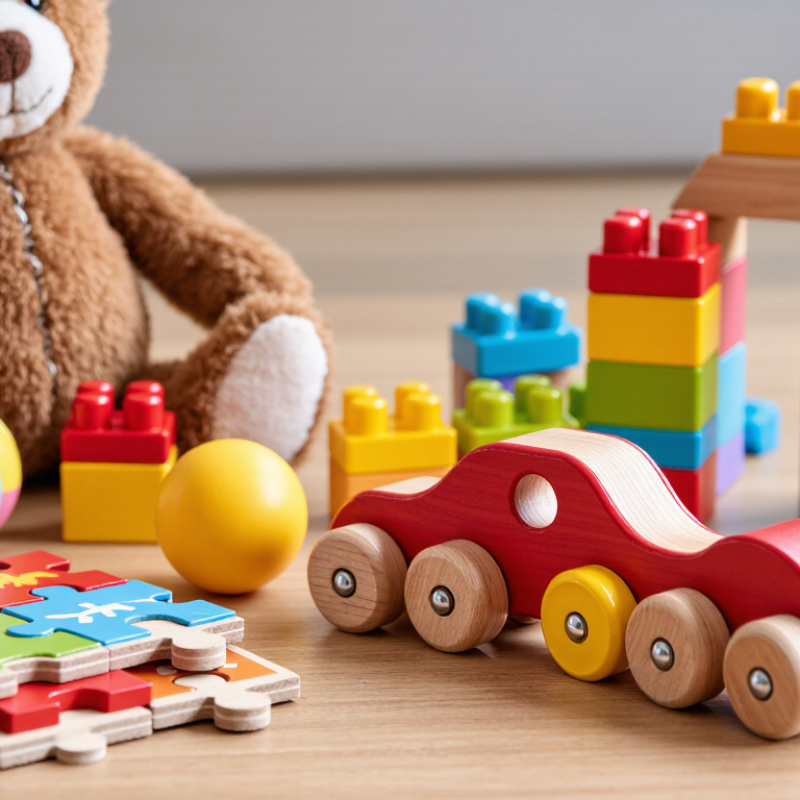
A durable toy begins with materials that tolerate real childhood, not just showroom handling. Solid wood, thick molded plastic, and tightly woven fabric usually resist repeated use. Look closely at seams, hinges, wheels, and handles. These areas receive the most stress. A toy should feel balanced, with no sharp edges, loose parts, or weak fasteners. Age guidance also matters. A well-made toy can still fail when used beyond its intended purpose.
In my experience, repairability often predicts long-term value. Replaceable batteries, washable covers, and accessible screws make maintenance easier. Avoid toys with thin coatings that peel after a few months. Check whether moving parts operate smoothly without grinding or catching. Small cracks deserve attention. They may spread quickly during active play. I once chose a beautiful toy with a delicate hinge, assuming careful use would protect it. That assumption was wrong.
Durability also depends on the child and the play environment. Outdoor toys need resistance to moisture, sunlight, and rough ground. Indoor toys need storage-friendly shapes and surfaces that clean easily. Read care instructions before buying. This step is easy to skip. Examine independent safety information when available, and inspect the toy regularly after purchase. Even strong materials can weaken through drops, chewing, heat, or constant exposure to water. A toy that survives one test may not survive daily family life.
A practical 100-point evaluation framework for comparing long-term toy durability. Higher scores indicate greater importance when selecting a toy for repeated use.
How to use this chart: Prioritize toys with strong construction, impact-resistant materials, secure connections, easy cleaning, replaceable parts, and clear safety compliance information.
Durable toys begin with materials that tolerate repeated stress, not simply attractive surfaces. In my product checks, I press joints, twist handles, and inspect edges under bright light. Solid wood should feel dense, dry, and smoothly finished. High-quality plastics should resist bending without becoming brittle. Look for clearly identified materials and finishes suited to the toy’s age group. Fabric toys need tightly woven covers, secure stitching, and washable construction. Loose fibers or sharp splinters are immediate warning signs. Weight can mislead. Some heavy toys still contain weak internal parts.
Examine how each part connects. Thick screws, reinforced corners, and enclosed fasteners usually survive enthusiastic play better than thin clips. Rotating wheels should turn evenly, while hinges should move without pinching small fingers. Seams deserve attention; double stitching matters around handles, straps, and stuffed openings.
Pull gently. Shake it. Listen for rattling. If a panel flexes too much, choose another design. Clear age guidance, care instructions, and independent safety-testing information suggest responsible construction, but they cannot replace inspection.
Even strong materials deteriorate in heat, moisture, or direct sunlight. I once underestimated a simple wooden toy; its axle loosened after several weeks, not several days. It changed my checklist.
Choosing a durable toy starts with the child, not the material.
A sturdy wooden puzzle may last for years, yet frustrate a toddler who needs large, simple pieces. Match the challenge to current abilities, and check the age guidance carefully. Age labels reflect safety and development, not only marketing.
For children under three, avoid small detachable parts. Inspect seams, hinges, and finishes often.
Safety comes first.
Interests matter just as much.
A child fascinated by animals may repeatedly use a durable figure set. A movement-loving child may prefer a balance board or ride-on toy. Choose open-ended designs that grow with skills.
Stacking pieces can later support sorting, counting, and imaginative play. Observe how the child actually plays.
A toy labeled “long-lasting” may sit untouched. Durability has little value without engagement.
Material quality still deserves close attention.
Solid construction, smooth edges, secure fasteners, washable surfaces, and replaceable parts can extend useful life. I used to equate weight with strength, but heavy toys can be awkward for smaller children. That assumption needs checking.
Test the toy at the child’s level. Can they carry it, understand it, and use it without constant correction?
Reinspect after drops, chewing, outdoor moisture, or rough play. Remove damaged items promptly.
Durable toys should remain safe after repeated drops, washing, and rough handling. The U.S. Consumer Product Safety Commission estimated 231,000 toy-related injuries treated in emergency departments during 2023. That figure shows why durability cannot replace inspection. Check seams, wheels, hinges, cords, and battery compartments before every extended play period. Look for sharp edges, cracked plastic, loose eyes, and exposed wires. A sturdy toy can still become dangerous after one hard impact.
Maintenance also protects long-term value. Wash washable surfaces with mild soap, then dry hidden joints completely. Moisture can encourage mold or corrosion. Replace damaged fasteners with parts that match the original design. Avoid improvised tape, untested glue, or oversized screws. Those repairs may create new hazards. Follow the age guidance and safety instructions linked to ASTM F963 or EN 71 testing requirements. The CPSC’s annual toy injury report is useful, but it cannot predict every household failure. Real use is messier. I would not assume a “durable” label guarantees safe performance.
Tips: Keep a small inspection routine. Test moving parts gently. Remove batteries during long storage. Photograph damage before repairing it. If a structural part, magnet, or battery cover cannot be restored securely, retire the toy. That decision feels wasteful, but safety matters more than sentiment. Short checks help.
| Toy Type | Durable Construction Features | Key Safety Checks | Typical Maintenance | Repairability | Expected Service Potential | Selection Rating |
|---|---|---|---|---|---|---|
| Solid Wooden Building Blocks | Hard, smooth wood with rounded edges, non-toxic coating, and simple shapes without delicate connectors. | Check for splinters, chipped finish, loose parts, and a size that cannot be swallowed by the intended child. | Wipe with a slightly damp cloth and dry immediately. Do not soak or use harsh chemicals. | High. Light surface wear can be sanded and resealed with a child-safe finish; badly split pieces should be discarded. | Often suitable for many years when kept dry and stored away from extreme heat or moisture. | ★★★★★ |
| Wooden Pull-Along Toys | Thick body, securely attached axle, strong wheels, and a pull cord with a properly fixed handle. | Inspect the cord length, axle stability, wheel attachment, and any small decorative components. | Remove dust regularly and check wheels and axles for looseness. Keep cords untangled and dry. | Medium to high. Screws, wheels, or axles may be replaced if the construction allows access without creating sharp edges. | Can remain usable through multiple age stages if the wheels and cord are maintained. | ★★★★☆ |
| Metal Construction Sets | Corrosion-resistant metal pieces, rounded or protected edges, durable fasteners, and a storage system that prevents loss. | Look for sharp burrs, rust, stripped fasteners, and pieces that may present a choking hazard to younger children. | Keep dry, remove surface moisture, and inspect threaded parts before each use. Store small pieces securely. | High. Individual fasteners and selected components can usually be replaced; bent or cracked metal should not be reused. | Potentially very long-lasting when protected from moisture and used with age-appropriate supervision. | ★★★★★ |
| Plastic Interlocking Bricks | Thick, impact-resistant plastic with consistent connection strength and minimal thin projections. | Check for cracked pieces, sharp broken edges, discoloration from heat, and small parts unsuitable for the child’s age. | Wash in warm water with mild soap when needed, rinse thoroughly, and air-dry completely before storage. | High for individual pieces because damaged parts can be removed without affecting the entire set. | Usually supports repeated assembly and disassembly for many years if kept away from high heat and direct sunlight. | ★★★★★ |
| Fabric Play Tents | Tightly woven fabric, reinforced seams, flexible poles, stable joints, and a frame designed to fold without excessive strain. | Check for torn fabric, exposed pole ends, unstable joints, entanglement risks, and adequate ventilation. | Vacuum or spot-clean fabric, dry fully before folding, and store in a cool, dry place to prevent mildew. | Medium. Small tears and loose seams may be repaired with suitable stitching; damaged poles or unstable joints should be replaced. | Several years is realistic with indoor use and careful folding; outdoor exposure shortens fabric life. | ★★★☆☆ |
| Ride-On Toys | Stable wide base, reinforced body, durable wheels, secure seat, and smooth steering or push mechanism. | Verify weight and age limits, brake or stop function where applicable, wheel attachment, stability, and absence of exposed sharp edges. | Inspect fasteners and wheels regularly, clean moving parts, and keep the toy away from traffic, stairs, and steep slopes. | Medium to high. Wheels, hardware, and selected moving parts may be replaced if compatible and securely fitted. | Can last through several years of use when used on suitable surfaces and not overloaded. | ★★★★☆ |
| Water Tables and Outdoor Play Sets | UV-resistant material, reinforced legs, stable connectors, smooth drainage surfaces, and limited water-trapping cavities. | Check stability, drainage, sharp edges, loose hardware, and surface temperature after prolonged sun exposure. | Empty and dry after use, wash regularly, remove standing water, and store or cover during severe weather. | Medium. Hardware and some fittings may be replaced; cracked structural parts should be taken out of service. | Several seasons are possible with shade, drainage, and protection from freezing temperatures. | ★★★★☆ |
| Soft Plush Toys | Dense stitching, securely attached facial features, washable fabric, and filling that remains evenly distributed. | Check seams, eyes, noses, ribbons, and any detachable accessories. Remove from use if filling is exposed. | Follow the care label, wash when appropriate, dry thoroughly, and inspect after laundering. | Medium. Loose seams can often be restitched; detached small features should be repaired securely or removed. | Long-term use depends heavily on washing frequency, seam quality, and protection from moisture. | ★★★☆☆ |
| Magnetic Building Toys | Magnets permanently enclosed in a robust casing with strong ultrasonic or mechanical bonding and impact-resistant pieces. | Inspect every piece for cracks, swelling, separation, or exposed magnets. Any damaged magnetic component must be discarded immediately. | Wipe clean with a damp cloth, avoid soaking, and perform frequent casing inspections because magnets can be dangerous if swallowed. | Low. Magnetic pieces should not be opened or repaired at home; damaged units require safe disposal. | Good structural life only when casings remain intact and the set is stored away from hard impact. | ★★★☆☆ |
| Board Games with Replaceable Components | Rigid board, laminated surfaces, thick cards, sturdy storage inserts, and components that can be sorted and replaced individually. | Check for age-appropriate small pieces, damaged corners, loose accessories, and readable instructions. | Keep cards and boards dry, store pieces in sealed containers, and avoid bending or stacking heavy items on top. | High. Missing pieces can often be recreated or replaced, while damaged boards may be reinforced with archival-safe materials. | Can remain usable for many years when stored flat in a dry environment. | ★★★★☆ |
Selection rule: Choose toys with simple construction, securely enclosed parts, replaceable non-structural components, clear age guidance, and materials that can be cleaned without damage. Stop using any toy with exposed sharp edges, broken structural parts, accessible magnets, or loose components that create a choking or entanglement risk.
When choosing durable toys, compare value beyond the checkout price.
A sturdy toy should survive repeated drops, washing, and imaginative changes. In my testing, simple construction often outlasts toys with many tiny moving parts. Check joints, fasteners, seams, and edges before buying. Materials should feel solid, not unusually brittle or sharp. Age guidance matters because misuse can shorten a toy’s life. It also protects children.
Longevity becomes clearer when you estimate cost per year, not cost per play session.
A repairable wooden puzzle may serve several children, while a cheaper plastic set may lose pieces within months. Ask whether replacement parts, cleaning instructions, and storage support are available. Open-ended designs usually retain interest longer because children can invent new uses. Still, durability does not guarantee engagement. Some well-made toys quietly gather dust. Personal observation matters.
Environmental impact requires a wider view.
Consider material sourcing, production, packaging, transport, repair, and end-of-life options. A heavier toy may last longer but create more transport emissions. A natural material is not automatically sustainable. Look for clear material information and minimal mixed components, which are easier to repair or recycle. I would record wear after three months, then revise my judgment. My first choice is not always right. Children’s habits expose flaws that a shop shelf hides.
Solid wood, thick molded plastic, and tightly woven fabric often withstand repeated play. Surfaces should feel smooth, dense, and secure. Attractive finishes alone prove little.
Check seams, hinges, wheels, handles, corners, and fasteners. Pull gently and listen for rattling. These areas receive heavy stress.
Avoid sharp edges, loose parts, peeling coatings, and panels that flex excessively. Moving parts should operate without grinding or catching. Small cracks can spread quickly.
Replaceable batteries, washable covers, and accessible screws simplify maintenance. They may extend a toy’s useful life. Some designs still make repairs difficult.
Match the toy with the child’s current abilities and follow its age guidance. Children under three should not use toys with small detachable parts. Safety comes first.
Not necessarily. Weight can hide weak internal parts and make carrying difficult. Test whether the child can lift and use it comfortably.
A toy lasts longer in practice when the child enjoys using it. Choose designs that support changing skills, such as stacking, sorting, or imaginative play. A durable toy may still remain untouched.
Outdoor toys need protection from moisture, sunlight, and rough ground. Indoor toys should clean easily and store neatly. Inspect toys after drops, chewing, heat, or water exposure. Remove damaged items promptly.
Choosing durable toys for long-term use means looking beyond appearance and focusing on strong materials, reliable construction, and thoughtful design. Parents should evaluate solid, non-toxic materials, reinforced joints, secure fasteners, smooth edges, and parts that can withstand repeated play. The best choice also matches the child’s age, abilities, and changing interests, allowing the toy to remain engaging as skills develop. Understanding how to select durable toys for long term use can help families avoid products that break easily or become unsuitable after a short period.
Safety and maintenance are equally important. Toys should be easy to clean, inspected regularly for cracks or loose pieces, and repaired or replaced when necessary. When comparing options, consider the total value rather than only the purchase price, including expected lifespan, versatility, repairability, and environmental impact. A durable toy that supports open-ended play, reduces waste, and remains useful for years can provide greater value while encouraging responsible consumption.
