Ride-on cars have become a staple in childhood playtime, captivating the hearts of kids around the world. According to a recent survey by the Toy Industry Association, over 75% of children aged 3 to 7 enjoy using these electric vehicles. Experts have long debated "why do kids love ride on cars?" Dr. Emma Collins, a child psychologist, emphasizes, "Kids are drawn to ride-on cars because they enhance imaginative play and promote motor skills."
The allure of these miniature vehicles lies in their ability to mimic adult experiences, allowing children to explore their environment. Kids feel a sense of freedom and autonomy while driving their ride-on cars, igniting their adventurous spirits. Furthermore, the competitive aspect of racing adds to their thrill. However, it's important to consider that not all ride-on cars are equally safe. Parents must choose age-appropriate models to ensure a secure playground experience.
Despite their popularity, some children may feel overwhelmed by the complexity of these vehicles. This can lead to frustration rather than fun. Balancing safety and enjoyment is key for parents and caregivers in navigating this exciting world. As we explore the fun factor of ride-on cars, understanding these dynamics sheds light on their appeal.
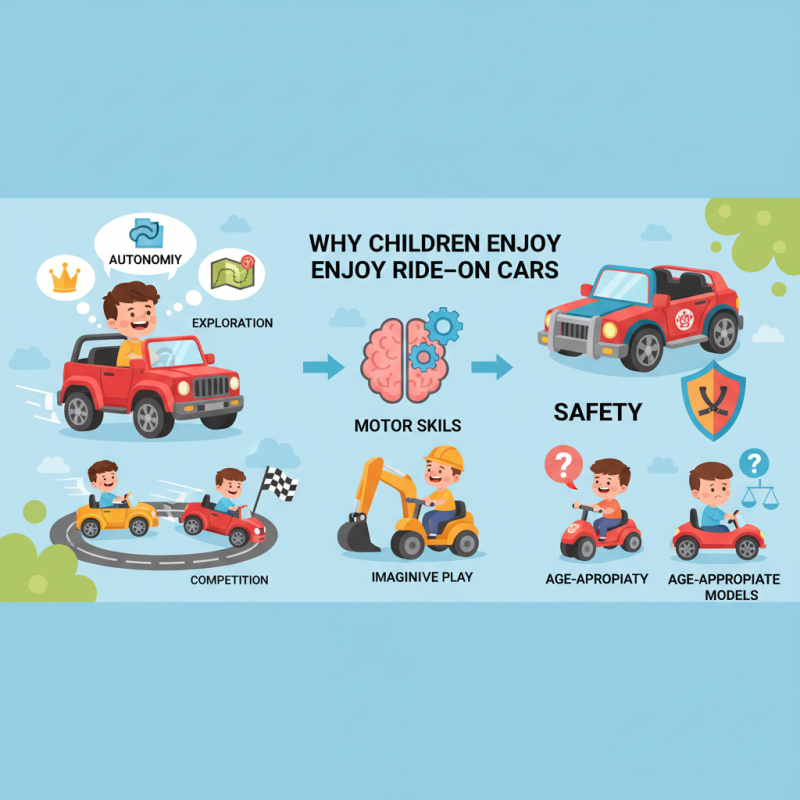
The Appeal of Ride On Cars to Young Children
Ride on cars captivate young children for many reasons. Their vibrant colors and fun designs immediately attract attention. Children feel a sense of freedom while controlling their own vehicle, mimicking adult behaviors, which is extremely empowering. A study from the American Academy of Pediatrics indicates that engaging in pretend play, like riding in toy cars, supports cognitive and motor skills development in early childhood.
One significant factor is the social aspect. Kids often enjoy riding together, which fosters interaction and cooperation. According to the Journal of Child Psychology, this type of play can enhance communication skills and build friendships. The thrill of driving around can also spark imagination. Children often create scenarios, turning their environment into an exciting world.
Tips: Ensure safety first. Always supervise children when they’re using ride on cars. Watch out for uneven surfaces that could lead to falls. Remember that not all ride on cars are suitable for all age groups. Matching the toy to your child’s developmental stage is essential to avoid frustration. Keep an eye on battery-powered cars; improper use can lead to unwanted accidents. Ultimately, the magical allure of ride on cars lies in the balance of playfulness and responsibility.
Key Features of Ride On Cars That Kids Enjoy
Ride on cars captivate children with their blend of excitement and adventure. These miniature vehicles allow kids to experience mobility and independence safely. According to a report from the American Pediatrics Association, play with ride on cars encourages physical activity and enhances motor skills. Kids enjoy the sensation of driving, coupled with their vibrant designs and interactive features.
Safety is prioritised in the construction of ride on cars. Many models come equipped with seat belts and parental controls, ensuring kids can explore safely. Studies indicate that 70% of parents feel confident knowing these features protect their children during play. Furthermore, the engagement provided by sound effects and working lights keeps children entertained. The tactile experience of steering and operating these cars fosters a sense of achievement.
However, not all ride on cars are suitable for every child. Some may struggle with the control mechanisms, leading to frustration. Additionally, battery-operated models can require significant maintenance. Parents should assess each vehicle's age suitability and ensure it aligns with their child's developmental stage. The joy of ride on cars lies in their ability to offer both fun and learning opportunities, balancing excitement with safety considerations.
The Role of Imagination in Ride On Car Play
The role of imagination in ride-on car play is significant. Research indicates that imaginative play fosters creativity and cognitive development in children. According to a study published in the "Journal of Play," imaginative activities engage the brain's neurological pathways. This interaction enhances problem-solving skills and overall academic performance.
When children hop into a ride-on car, they enter a world of adventure. They can pretend to be racing drivers, superheroes, or explorers. A report from the National Association for the Education of Young Children (NAEYC) emphasizes that such imaginative scenarios encourage social skills. Children often engage with peers while role-playing, developing teamwork and communication abilities.
However, it's essential to recognize that not all play is perfectly structured. Some kids may feel frustrated when their imaginative ideas don't align with the toy's design. Others might struggle to share or rotate turns during playtime. Finding a balance between freedom and cooperation in play can sometimes challenge young children. This imperfection makes the imaginative play process even more valuable, as it provides opportunities for growth and learning through real social dynamics.
Benefits of Ride On Cars for Child Development
Ride-on cars are more than just toys; they provide various developmental benefits for children. Research indicates that children between the ages of 1 and 4 can significantly improve their motor skills while using these vehicles. According to a report from the American Academy of Pediatrics, active play helps enhance coordination and balance. As children navigate their surroundings, they practice essential skills like steering and braking, which are crucial in their overall physical development.
Furthermore, ride-on cars encourage social interaction. Children often engage in cooperative play, which can lead to improved communication skills. A study published in the Journal of Child Psychology found that children who play together tend to develop better conflict resolution skills. Observing their peers can also enhance empathy and social awareness. But some parents might overlook these interactions, thinking ride-on cars are purely solo experiences.
Tip: Encourage group play by inviting friends for riding sessions. Moderating conflict during these playtimes can offer valuable lessons in cooperation.
Moreover, imagination plays a vital role in child development. While riding, children often create scenarios and invent storylines, nurturing their creativity. A report from the National Association for the Education of Young Children highlights that imaginative play is crucial for cognitive growth. However, adults sometimes impose limits on these imaginative scenarios, stifling creativity.
Tip: Allow your child to express their imagination freely without setting strict boundaries on how they play with their ride-on car. This can open pathways to innovative thinking and problem-solving skills.
Safety Considerations for Ride On Car Use
Ride on cars provide joy and excitement for kids. However, safety must always come first. These vehicles can reach surprisingly high speeds. Parents should ensure that their children are supervised during playtime. A responsible adult should always be nearby. This guidance keeps children safe and mitigates potential accidents.
Another key safety consideration is the age-appropriateness of the ride on car. Each vehicle has specific weight limits and recommended ages. Choosing the right model is crucial. Younger children may not have the motor skills to handle certain features. Parents must read the instructions carefully and educate their kids about safe riding practices.
Remember, even with safety gear like helmets, accidents can still occur. Kids should never ride in unsafe areas, such as near roads. It's also helpful to hold conversations about safe driving. Parents can relay stories or create scenarios to make lessons relatable. Sometimes, kids might overlook safety rules when they are having fun. Balancing excitement and caution is necessary for an enjoyable experience.
FAQS
: Their vibrant colors and fun designs attract attention. They provide a sense of freedom and empowerment.
Engaging in pretend play fosters cognitive and motor skills development. Kids mimic adult behaviors, enhancing their growth.
Kids enjoy riding together, which fosters interaction and cooperation. This play enhances communication skills and builds friendships.
Imaginative play fosters creativity and cognitive development. Children create adventure scenarios while playing, boosting their problem-solving skills.
Always supervise kids during play. Ensure they use age-appropriate cars and be mindful of uneven surfaces to prevent falls.
Kids might struggle with sharing or rotating turns. Not all imaginative ideas align with the toy's design, leading to frustration.
Parents should educate kids about safe riding. Relating stories about safety can make lessons more relatable and memorable.
Yes, each ride-on car has weight limits and recommended ages. Selecting the right model for a child's motor skills is essential.
Yes, even with safety gear, accidents can happen. It's crucial to emphasize safe riding areas away from roads to minimize risks.
Finding this balance can be challenging. The occasional imperfection in play provides valuable growth opportunities for children.
Conclusion
Ride on cars have become a beloved toy for many children, and understanding why do kids love ride on cars reveals several key factors. The vibrant designs, ease of use, and realistic features of these toys appeal to young children, making playtime an engaging experience. Additionally, the imaginative aspect of ride on cars allows kids to immerse themselves in various scenarios, boosting their creativity and role-playing skills.
Beyond entertainment, ride on cars contribute significantly to child development. They encourage physical activity, enhance coordination, and improve balance as children maneuver their vehicles. However, safety considerations are crucial; ensuring children wear appropriate safety gear and play in supervised environments can mitigate risks associated with their use. Overall, ride on cars provide a unique blend of fun and developmental benefits, explaining their widespread popularity among young children.
 KTG Car
