KTG Car
When considering children's safety on vehicles, one crucial question arises: how fast should kids ride on vehicles be? Speed plays a significant role in ensuring stability and control for young riders. Experts emphasize that children are still developing their motor skills. This means they require careful guidance on safe riding speeds.
Various vehicles, from bicycles to scooters, come with different speed capabilities. Research indicates that riding at moderate speeds can prevent accidents. For instance, children riding their bikes should ideally maintain speeds under 10 mph on bike paths. Yet, many young riders push beyond this limit. This can lead to falls and injuries.
Parents and guardians must educate children on maintaining a safe speed. It's essential to consider not just the vehicle, but also the environment. Busy streets require slower speeds for safety. Reflecting on this can help families create safer riding habits. Ultimately, understanding how fast should kids ride on vehicles be is vital for their well-being and enjoyment.
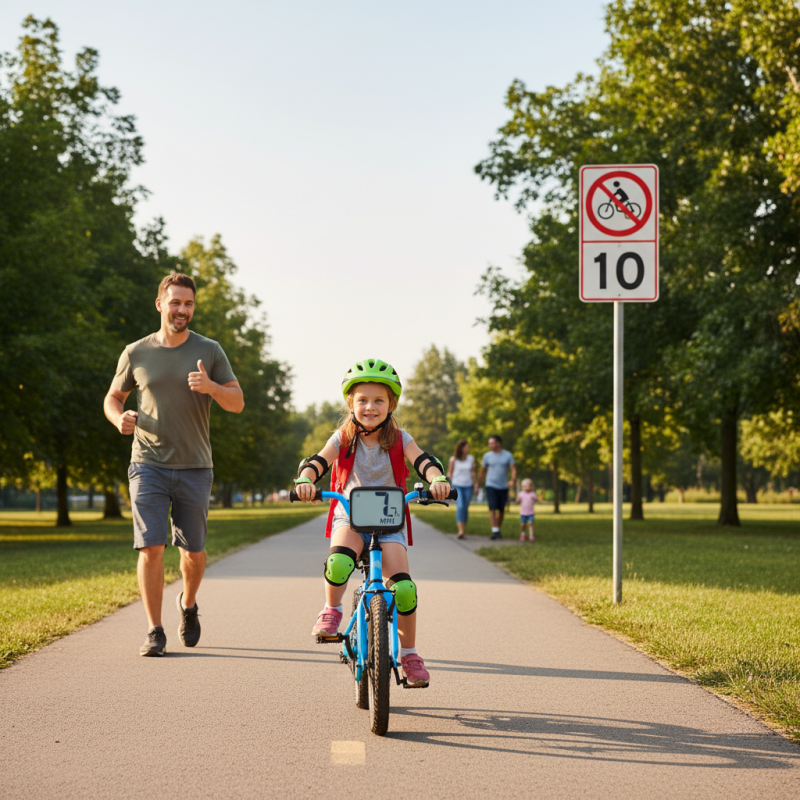
When considering safety for children on bicycles, speed limits play a crucial role. According to the Centers for Disease Control and Prevention (CDC), children aged 5 to 14 face the highest risk of bike-related injuries. Recommended speed limits for kids riding on bicycles often range from 10 to 15 miles per hour. At these speeds, they can maintain control while reducing the severity of potential accidents.
The National Highway Traffic Safety Administration (NHTSA) suggests that riding too fast can lead to loss of control, especially in crowded areas. A study shows that a significant number of accidents occur when young riders exceed 15 mph. Children often underestimate their abilities. Parents should encourage safe riding habits by setting clear limits. Reinforcing this idea can lead to a culture of safety among young cyclists.
Monitoring speed is just one part of ensuring safety. Educating children about the importance of wearing helmets is equally important. Reports indicate that helmet use reduces the risk of head injury by up to 85%. While speed limits are vital, complacency can creep in. Regular discussions about safe biking practices may help keep awareness high.
When kids ride scooters and skateboards, safety is paramount. Setting the right speed is crucial. Young riders should know their abilities and the environment. A busy park or street demands lower speeds. Keeping the pace manageable helps prevent falls and accidents.
Wearing protective gear is essential. Helmets, knee pads, and elbow pads reduce injury risks. Parents should encourage their children to practice balance and control before hitting higher speeds. It's common for kids to feel invincible. Reminding them to focus on safety over speed is vital.
Supervision can make a big difference. Parents should watch their kids, especially in unfamiliar areas. Encourage children to communicate about their feelings while riding. If they feel scared or unsure, it’s okay to slow down. This creates a culture of safety and responsibility that can last a lifetime.
When it comes to young riders, speed must be a priority for safety. Riding too fast can lead to accidents. Factors like age, skill level, and the type of vehicle play a vital role. Younger children may lack the coordination to handle high speeds, while older kids might feel confident at faster rates. Parent supervision is crucial here.
Environmental factors also impact safe riding speeds. The condition of the riding surface can vary. A smooth pavement allows for faster speeds, while uneven terrain calls for caution. Traffic can pose additional risks. Riders should always be aware of their surroundings. Understanding their limits is essential.
Lastly, protective gear is a significant factor. Helmets, knee pads, and elbow pads can make all the difference. Encouraging kids to wear these items should be non-negotiable. Yet, some kids resist safety gear due to peer pressure. Parents and guardians need to foster a culture of safety rather than speed.
Protective gear plays a crucial role in ensuring children's safety while riding vehicles. Helmets, knee pads, and elbow guards are essential for minimizing injuries. Children often fall or collide while riding, making protective gear a wise choice. It significantly reduces the risk of serious accidents.
Tips: When selecting a helmet, ensure it fits snugly and meets safety standards. For knee and elbow pads, choose adjustable sizes for a secure fit. Regularly inspect the gear for wear and tear. Even minor damage can diminish protection.
Parents and guardians should encourage their kids to wear protective gear consistently. Many children resist at first, claiming that they feel uncomfortable. However, instilling the habit of wearing gear from an early age can enhance safety in the long run. Maintaining open discussions about the importance of safety can also help children understand its value.
It's essential to recognize that protective gear alone cannot ensure safety. Supervision is crucial when kids ride. Adults must frequently remind children of safe practices, like staying within designated areas. Simple changes in behavior can create a safer riding environment for everyone.
This chart illustrates the recommended speed limits for kids riding various types of vehicles such as bicycles, scooters, and skateboards, along with the importance of wearing protective gear.
When considering speed recommendations for children riding vehicles, age plays a critical role. For toddlers and preschoolers, a speed cap of 5 mph is suggested. At this pace, they can maintain control and react quickly if needed. These young riders often lack the coordination and judgment required for higher speeds. So, keeping them slow and safe is a wise choice.
As children grow, so do their capabilities. School-aged children can safely ride bikes or scooters at speeds up to 10 mph. This level allows them to enjoy a sense of freedom while still being manageable. However, some kids may not yet feel comfortable at this speed. Parents should gauge their children's skills before allowing higher speeds. Offering guidance during practice rides lets them build confidence and learn to navigate safely.
Teenagers, on the other hand, can ride faster, around 15 to 20 mph, on bikes or skateboards. Yet, the risks increase significantly. With greater speed comes the need for more advanced skills. Teen riders might feel invincible, but they can underestimate dangers. This age group should be encouraged to wear proper safety gear and stay alert. Accidents can happen in a blink, regardless of a rider’s experience.
| Age Group | Vehicle Type | Recommended Speed (mph) | Safety Tips |
|---|---|---|---|
| 4-6 years | Tricycle | 2-3 mph | Always wear a helmet; ride in safe, open areas. |
| 6-9 years | Bicycle | 5-10 mph | Use bike paths; wear appropriate safety gear. |
| 9-12 years | Skateboard | 10-15 mph | Practice in controlled environments; wear knee and elbow pads. |
| 12-16 years | Scooter | 15-20 mph | Follow local traffic rules; wear wrist guards. |
| 16+ years | Moped | 20-30 mph | Obtain necessary licenses; always wear a helmet. |
: Recommended speed limits range from 10 to 15 miles per hour for children.
Monitoring speed helps prevent loss of control, especially in crowded areas.
Parents should set clear speed limits and reinforce safe biking practices.
Helmets, knee pads, and elbow guards are essential for minimizing injuries.
Wearing helmets can reduce the risk of head injury by up to 85%.
Supervising children can keep them safe and help them feel secure while riding.
If scared, children should slow down and communicate their feelings openly.
Consistently encouraging gear use from an early age can enhance safety.
Regularly inspect gear for wear and tear to ensure it provides full protection.
No, supervision and open discussions about safety practices are also necessary.
When considering how fast should kids ride on vehicles be, it is essential to follow recommended speed limits tailored to their specific modes of transport. For bicycles, a typical safe speed ranges between 10 to 15 mph, while scooters and skateboards should be ridden at slightly lower speeds of around 5 to 10 mph to allow for better control and reaction time. Various factors, including the child’s age, skill level, and the type of terrain, influence what is deemed a safe riding speed.
Additionally, the importance of protective gear cannot be overstated. Helmets, knee pads, and elbow pads play a significant role in enhancing safety, particularly for young riders who may not yet have mastered their balance or coordination. It is crucial to adhere to age-specific speed recommendations for different vehicles, ensuring that children can enjoy their rides while minimizing the risk of accidents. By prioritizing safety measures, parents and guardians can help shape a safer environment for kids as they navigate their rides.
