When considering electric ride-on toys, parents often wonder: "how long do electric ride on toys last?" This question is crucial for making informed purchases. According to David Thompson, an industry expert with over a decade of experience, "The lifespan of these toys largely depends on usage and maintenance."
Typically, electric ride-on toys can last anywhere from two to five years. Factors like battery quality and environmental conditions play a significant role. Regular maintenance, such as charging the battery correctly, is essential. Additionally, kids' play habits can greatly influence durability.
While many companies offer warranty options, they don’t guarantee longevity. Many families find that heavy use can lead to quicker wear and tear. Reflecting on this, it's important for parents to balance excitement with practicality when choosing these toys. Ultimately, understanding how long do electric ride on toys last can help ensure a wise investment.
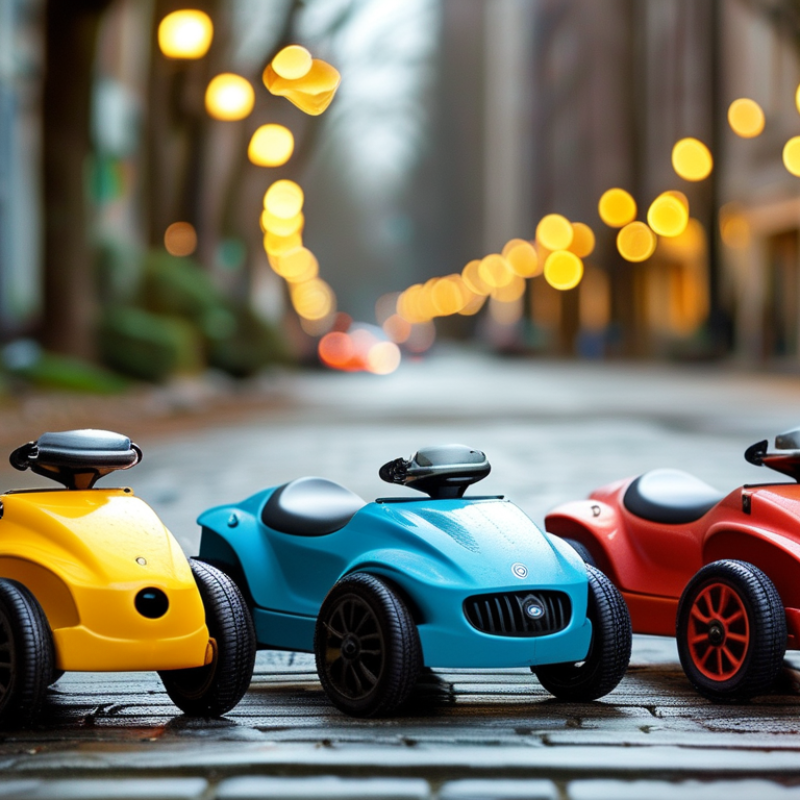
Factors Influencing the Lifespan of Electric Ride-On Toys
Electric ride-on toys are popular among children, providing joy and excitement. However, their lifespan can vary significantly based on several factors.
One major factor is the quality of materials used in the toy's construction. A comprehensive report from the Toy Industry Association states that toys made from durable, high-quality plastic can last longer than those made from cheaper materials. Kids ride on these toys frequently, so wear and tear can occur quickly. Regular maintenance, like checking the batteries and wheels, also plays a crucial role in extending their longevity.
Usage patterns significantly affect the lifespan as well. For example, a ride-on toy used daily may only last a few years. In contrast, one that sees limited use could last much longer. According to a study by the American Society for Testing and Materials, toys that undergo more rigorous outdoor conditions tend to degrade faster. Parents should consider where and how often the toy is used. Overall, understanding these factors can help ensure parents make informed decisions when purchasing electric ride-on toys for their kids.
Typical Lifespan Range for Electric Ride-On Toys
Electric ride-on toys can provide hours of fun for kids, but how long do they actually last? Generally, the lifespan of these toys ranges from three to five years. Several factors influence this duration. The quality of materials used is crucial. Products made from high-quality plastic and metal tend to last longer.
Battery life plays a significant role too. Many electric ride-ons come with rechargeable batteries, which can diminish over time. Regularly checking and maintaining batteries can improve longevity. The average battery lasts about two to three years, so replacement may be necessary.
**Tips:** Regularly inspect your toy for wear. Look for loose parts, cracks, or rust. These issues can affect safety and performance. Avoiding extreme weather can help protect your investment. Store your toy indoors when not in use.
Ultimately, kids outgrow their toys. This natural progression means they may not wear out fully before being replaced. Enthusiastic play can result in some scuffs or marks, which is completely normal. Regular maintenance and mindful usage can ensure the ride-on toy brings joy for as long as possible.
Maintenance Tips to Extend the Lifespan of Electric Ride-On Toys
When it comes to electric ride-on toys, maintenance is crucial for longevity. Regular checks help detect issues early. Inspect the battery for signs of corrosion or damage. Clean the connectors to ensure a solid connection. These steps seem simple but can make a real difference.
Tires also require attention. Check for wear and tear. Proper inflation keeps rides smooth and enjoyable. Remember to store the toy in a dry place. Moisture can damage electrical components. Using a cover can protect it from dust and sunlight. These small actions prolong the life of the toy, ensuring more fun for your child.
Sometimes, even with good maintenance, things might not go as planned. A toy may still break down. It’s important to keep spares, like batteries, on hand. Troubleshooting skills can also be helpful. Knowing how to fix minor issues encourages kids to be responsible. Learning from these experiences adds value to playtime, making it enjoyable and educational.
How Long Do Electric Ride On Toys Last for Kids? - Maintenance Tips to Extend the Lifespan of Electric Ride-On Toys
| Dimension |
Duration / Recommendation |
| Average Lifespan |
3 to 5 years |
| Battery Life |
1 to 3 years, depending on use |
| Charging Time |
8 to 12 hours for a full charge |
| Speed Options |
2 to 6 mph |
| Weight Capacity |
Up to 130 lbs |
| Maintenance Tips |
Regular cleaning, battery checks, and storage in a dry place |
| Recommended Age |
2 to 7 years |
Signs That Indicate It's Time to Replace Ride-On Toys
When considering electric ride-on toys, safety and performance are critical. Over time, wear and tear can affect these toys, indicating a need for replacement. According to industry reports, over 30% of parents noticed performance decline within a year of purchase. Battery life typically dwindles after 2-3 years, which is a common issue. A reduced runtime often signals the end of a toy's life.
Visual damage also plays a role in replacement decisions. Cracks in the body or frayed wires can compromise safety. Statistics show that approximately 25% of injuries from ride-on toys stem from structural failures. If the toy can no longer safely accommodate your child's weight, it may be time to retire it. Regular maintenance can prolong a toy's life, yet it is not a guaranteed solution.
Finally, examining your child's comfort and usage frequency helps assess the toy's lifespan. A child may outgrow their ride-on toy before it shows visible wear. Research indicates that children’s engagement decreases significantly after the age of six. If your child is reluctant to play or complains about discomfort, replace the toy. This can ensure a safer and more enjoyable playtime experience.
Longevity of Electric Ride-On Toys for Kids
Safety Considerations for Aging Electric Ride-On Toys
When considering electric ride-on toys for kids, safety becomes paramount as these toys age. Over time, components like batteries and motors can degrade. According to a study from the International Consumer Products Safety Commission, about 30% of electric ride-on accidents are linked to mechanical failures. Regular inspections are crucial. Checking for frayed wires, rusted connections, and battery leakage ensures safe use.
Additionally, weight limits play a significant role. A report from the American Academy of Pediatrics indicated that exceeding recommended weight can compromise toy integrity. Many models have a limit of around 70 pounds. If your child is nearing this limit, it may be time for an upgrade.
The lifespan of the battery generally spans 1-3 years, depending on usage. Keeping a close eye on charge cycles is essential. Batteries that take longer to charge or hold less power may indicate the need for replacement. Parents should be proactive. Regular maintenance can extend the life of these toys and enhance safety.
FAQS
: The quality of materials used in construction significantly impacts durability.
Daily use may shorten the lifespan, while limited use can extend it.
Regularly check batteries and wheels to ensure they are functioning properly.
Components can degrade over time, leading to potential safety risks.
Exceeding weight limits, often around 70 pounds, can compromise the toy's integrity.
Batteries generally last between 1 to 3 years based on usage patterns.
A longer charging time or reduced power suggests the battery may need replacing.
Toys used outdoors often degrade faster due to exposure to harsher elements.
Address frayed wires or rusted connections immediately to ensure safety.
While it extends longevity and safety, some issues might still arise unexpectedly.
Conclusion
When considering "how long do electric ride on toys last," several factors come into play, including build quality, usage frequency, and maintenance practices. Typically, the lifespan of these toys ranges from three to seven years, depending on how well they are cared for. Regular maintenance can significantly extend their usability, with routine checks on the battery, wheels, and electrical components being essential.
As electric ride-on toys age, it’s important to watch for signs that indicate it's time for a replacement, such as diminished battery performance or unstable operation. Safety is paramount, and older models may become less reliable, necessitating careful consideration for continued use. By adhering to maintenance tips and being mindful of performance indicators, parents can ensure their children's toys remain safe and functional for as long as possible.
 KTG Car
