KTG Car
As electric ride-on toys gain popularity, parents seek ways to maintain their performance. These toys can provide hours of fun but often suffer from short battery life. Understanding how to extend battery life of electric ride on toys is crucial for maximizing playtime and ensuring safety. According to industry reports, battery efficiency is a significant concern, with many families reporting only 60-90 minutes of usage per charge.
Most lithium-ion batteries, commonly used in these toys, have a lifespan of 300-500 charge cycles. Yet, improper maintenance can reduce this significantly. Simple actions, like avoiding full discharges or extreme temperature exposures, can lead to longer-lasting batteries. Experts suggest routine checks on connections and storage conditions to enhance longevity.
However, extending battery life is not always straightforward. Some parents may overlook basic care practices, leading to performance issues. Regular use and proper charging habits can be easily forgotten amid daily routines. With a focus on practical tips and strategies, learning how to extend battery life of electric ride on toys ensures sustained enjoyment for children and peace of mind for parents.
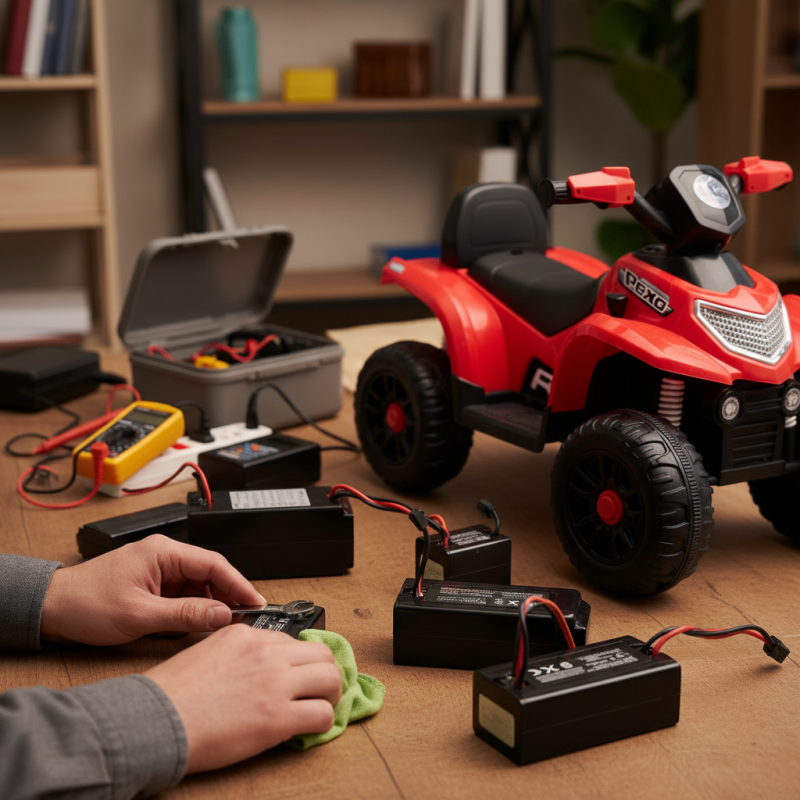
Understanding the battery basics of electric ride-on toys is essential for maximizing their performance and longevity. Most electric ride-on toys use rechargeable lead-acid or lithium-ion batteries. According to industry reports, lithium-ion batteries are generally lighter and offer longer run times compared to lead-acid types. However, they also require careful management to avoid deep discharges. A study from the International Energy Agency notes that proper charging habits can extend battery life by 30% or more.
Charging cycles significantly impact battery health. This means understanding when to recharge is crucial. Frequent charging after every use may lead to shorter battery lifespan. The Battery University states that optimal longevity is often achieved by allowing the battery to discharge to about 20% before recharging.
Environment plays a role as well. Extreme temperatures can drastically affect battery performance. Cold weather can reduce battery efficiency by up to 40%. Storing the toy indoors during winter helps maintain battery health. It’s also important to conduct regular inspections. Checking for loose connections and corrosion can prevent unexpected battery failures. Ultimately, knowing these fundamentals empowers users to make informed choices that enhance their electric ride-on toy's sustainability.
Charging practices play a critical role in extending the battery life of electric ride-on toys. According to a report by Battery University, improper charging can reduce battery lifespan by up to 30%. To optimize battery health, always follow manufacturer guidelines for charging times and voltage levels. Overcharging can lead to overheating, while undercharging may lead to sediment buildup inside the battery.
To enhance battery longevity, consider these simple tips. Charge the battery only when it's nearly depleted. A complete discharge followed by a full charge helps calibrate the battery. Keep an eye on charging cycles; batteries perform best within specific limits. Experts suggest limiting the charging frequency to once a week if the toy is not in regular use.
Another important factor is temperature. Store the battery in a cool, dry place. Extreme heat or cold can cause irreversible damage. Regularly inspect the charging equipment for any signs of wear and tear. Keeping everything clean and functional is key to maintaining an optimal battery life.
Regular maintenance is vital for extending the battery life of electric ride-on toys. According to a 2022 industry report, proper upkeep can improve battery health by 30%. Parents should regularly check connections for rust or looseness. These issues can lead to inefficiencies and shorter runtime. Cleaning the connectors with a soft cloth can help ensure better conductivity.
Monitoring tire pressure is also important. Under-inflated tires increase resistance and drain battery life more quickly. A simple check every month can prevent unexpected performance dips. Additionally, storage conditions matter. Batteries should be stored in a cool, dry place. Extreme temperatures can damage batteries, reducing their lifespan significantly.
Routine software updates can improve power management features. Neglecting updates might hinder battery optimization. Owners should refer to the manufacturer’s guidelines for the correct procedures. Some electronics may still experience battery drain despite following these tips. This highlights the need for continuous learning. Regular maintenance should be seen as a part of ownership, not just a checklist. It can be an ongoing challenge, but the benefits outweigh the effort.
| Tip | Description | Frequency |
|---|---|---|
| Charge Regularly | Ensure the battery is charged according to the manufacturer's recommendations. | Every Use |
| Store Correctly | Keep the toy in a cool, dry place to prevent battery damage. | Year-Round |
| Avoid Deep Discharge | Do not let the battery fully discharge before recharging. | After Each Use |
| Check Connections | Regularly inspect battery connections for corrosion or looseness. | Monthly |
| Clean the Toy | Remove dirt and debris from the surface to prevent overheating. | Bi-weekly |
| Use Recommended Charger | Always use the charger specified by the manufacturer. | Every Charge |
| Limit Usage Time | Be mindful of the duration the toy is used in a single session. | Per Use |
| Plan for Off-Season | Fully charge, then store the toy in a safe place during the off-season. | Seasonal |
| Monitor Performance | Keep track of how well the vehicle operates to identify battery issues. | Regularly |
Storing electric ride-on toy batteries properly can extend their life significantly. Start by keeping them in a cool, dry place. Extreme temperatures can damage battery cells. Ideally, storage areas should remain between 50°F and 80°F. Avoid garage spaces that experience fluctuations in temperature. Maintain a consistent environment to keep the battery healthy.
Disconnect the battery when not in use. This helps prevent slow discharges that may occur over time. Periodically check the battery's charge level. It should not drop too low. Keeping it fully charged for long periods can also cause harm. Some parents find themselves forgetting to check batteries regularly. This simple step can save you headaches later.
Consider using a trunk or box for storage. Ensure it’s ventilated but shielded from moisture. Mold and humidity can lead to internal damage. Placing the battery on a wooden shelf can also help. Metal surfaces may cause short-circuits if moisture builds up. Remember, creating the right storage habits is key. It’s easy to overlook these details, but they matter.
When using electric ride-on toys, it's essential to watch for signs that indicate the need for battery replacement or care. A sudden decrease in performance can be a warning signal. If your child’s toy struggles to move or runs for a shorter time, it could mean the battery is losing its capacity. Look for bulging or leaking batteries as these require immediate attention. Also, if the toys take longer to charge, that might suggest an aging battery.
To extend battery life, implement proper charging habits. Avoid overcharging by unplugging when fully charged. Ensure the connections are clean, as dirt can interfere with performance. Regularly inspect the battery for signs of wear. Another tip is to store the toy in a cool, dry place. Heat can degrade battery performance over time.
Keeping the battery terminals clean is crucial. Dust and grime can cause poor connectivity. If you notice these signs often, it might be time to reconsider how you're maintaining the battery. Being attentive to these details can save you from unexpected replacements. Always prioritize safety and care to enhance both battery longevity and performance.
: Follow manufacturer guidelines for charging times and voltage levels. Regular maintenance is also crucial.
Overcharging can lead to overheating and reduce battery lifespan. It’s important to monitor charging practices closely.
Charge only when the battery is nearly depleted. Once a week is a good practice if not in regular use.
Store the battery in a cool, dry place. Ideal temperatures are between 50°F and 80°F to prevent damage.
Regularly check for rust or looseness. Cleaning connectors with a soft cloth can help ensure better conductivity.
Yes, extreme heat or cold can cause irreversible damage. Keeping a consistent environment is important for battery health.
Under-inflated tires drain battery life quickly. Regular checks can help maintain optimal performance and efficiency.
Updates can enhance power management features. Neglecting updates might hinder battery optimization and performance.
Disconnect the battery when not in use. Periodically check charge levels to prevent it from dropping too low.
Yes, it can improve battery health by 30%. However, it may be easy to overlook and can require ongoing effort.
To learn how to extend battery life of electric ride on toys, it's crucial to understand the fundamental aspects of these batteries, including their chemistry and capacity limits. Optimal charging practices, such as charging the battery fully and avoiding overcharging, play a significant role in prolonging battery longevity. Regular maintenance is also essential; this includes keeping connections clean and ensuring components are functioning well.
Additionally, safe storage methods, like keeping batteries in a cool, dry environment, contribute to preserving battery health. Lastly, being aware of signs that indicate a battery may need replacement or care—such as reduced performance or failure to hold a charge—can help maintain the toy's functionality. By following these guidelines, users can maximize the lifespan and performance of their electric ride on toys.
