KTG Car
Electric ride-on vehicles have become increasingly popular among children. Parents often wonder, "what age is suitable for electric ride on vehicles?" This question is crucial for safety and enjoyment. Dr. Angela Thompson, a child development expert, emphasizes, “Choosing the right age for electric rides significantly impacts a child’s experience and safety.”
These vehicles typically suit children aged 2 to 8 years. At this age, kids can better control their motor skills and understand basic safety rules. Younger children may struggle with steering and might tire quickly. Electric ride-ons can enhance outdoor play, but supervision is necessary.
It's essential to consider individual capabilities rather than just age. Some kids may lack the physical strength for driving, while others excel. Parents should observe their child’s comfort and confidence. An electric ride-on can be a delightful experience, but ensuring readiness is key. Always prioritize safety by choosing age-appropriate models and teaching rules of the road.
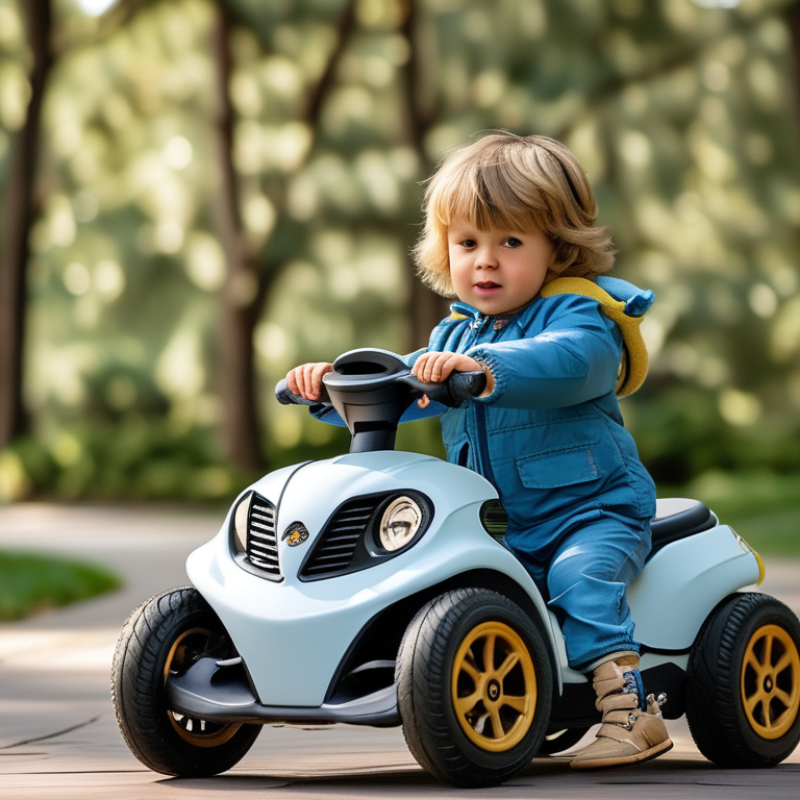
Choosing the right electric ride-on vehicle for kids requires careful thought. One key factor is age. Different vehicles are suitable for different age groups. Younger children may need smaller designs that are safe and manageable. For older kids, larger, more powerful models could be appropriate.
Safety features are another critical consideration. Look for vehicles with seat belts and speed limiters. These can help ensure a secure ride for children. Additionally, it’s crucial to think about weight capacity. Some models may not support larger children, which could affect their enjoyment and safety.
Parental supervision is essential when kids use these vehicles. Even with advanced safety features, accidents can happen. Teaching children the importance of safe play is vital. Reflecting on these aspects can lead to a better purchase decision. It’s not always easy to find the perfect fit for your child, but taking the time to evaluate these factors can be very rewarding.
When considering electric ride-on vehicles for kids, age plays a crucial role in ensuring safety and enjoyment. For toddlers aged 1 to 3, smaller ride-ons are ideal. These vehicles are typically limited in speed, allowing young children to explore safely.
They often feature simple controls, fostering independence while parents oversee their adventures. However, even at this young age, supervision is essential.
For children aged 4 to 6, the range broadens. Vehicles designed for this group can reach higher speeds and often have more complex controls.
Kids in this age bracket are ready for a bit more freedom. They can start to grasp the concept of steering and turning. Parents should be careful that these vehicles are used in safe, open environments.
The excitement of driving can lead to reckless behavior if boundaries aren't set.
As kids reach ages 7 and up, they can handle larger and faster electric vehicles.
These models can mimic real cars more closely. However, they also require a higher level of responsibility. Kids may feel invincible and take risks.
Educating them on safe driving practices is vital. Understanding their limits and remaining aware of surroundings can help prevent accidents.
Balancing thrill and safety is key in this phase.
When children ride electric vehicles, safety must be a priority. Helmets are essential. They must fit well and be comfortable. Parents should teach kids how to wear helmets correctly. Eye protection is also important. Sunglasses or goggles can reduce glare.
Age is a significant factor in safety. Younger kids may lack the skills to handle electric vehicles safely. Consider their physical and mental maturity. Supervision is vital, especially for younger riders. Parents should stay nearby. Kids may not always be aware of their surroundings.
Riding has inherent risks. Electric vehicles can reach moderate speeds. Safety gear, like knee and elbow pads, can help minimize injuries. Encourage kids to ride in safe areas. These should be free of pedestrians and obstacles. Observing safety rules can prevent accidents. Create a fun and safe environment where kids can enjoy the ride.
| Vehicle Model | Recommended Age | Max Speed (mph) | Weight Limit (lbs) | Battery Life (hours) | Safety Features |
|---|---|---|---|---|---|
| Mini Electric Car | 3-5 years | 3 mph | 50 lbs | 1-2 hours | Seatbelt, Parental remote |
| Rugged Off-Road Vehicle | 5-8 years | 5 mph | 110 lbs | 2-4 hours | Adjustable speed settings, Safety cage |
| Electric Scooter | 8-12 years | 10 mph | 150 lbs | 4-5 hours | Non-slip deck, Hand brakes |
| Power Wheel Jeep | 3-7 years | 4 mph | 130 lbs | 2-3 hours | Parental control, Roll-over protection |
| Luxury Electric Car | 6-12 years | 6 mph | 175 lbs | 3-5 hours | Seatbelt, LED headlights |
| Electric ATV | 8-14 years | 8 mph | 180 lbs | 4-6 hours | Speed governor, Strong tires |
| Electric Skateboard | 10-16 years | 12 mph | 220 lbs | 2-3 hours | Wireless remote, LED lights |
| Electric Ride-On Motorcycle | 5-10 years | 7 mph | 140 lbs | 2-4 hours | Training wheels, Foot brake |
| Compact Electric Car | 3-6 years | 3 mph | 60 lbs | 1-2 hours | Safety belt, Soft start |
| Kids' Electric Boat | 5-12 years | 2 mph | 120 lbs | 1-3 hours | Life vests, Remote control |
When choosing electric ride-on vehicles for children, several key features should be prioritized.
Safety is paramount. Look for models with seat belts and weight limits suitable for your child's age. According to industry reports, over 30% of accidents in ride-on toys stem from lack of safety features. It's crucial to select vehicles that meet safety standards established by recognized organizations.
Battery life is another essential factor. High-quality electric ride-on cars typically offer a runtime of at least 40 minutes. This duration allows children to fully enjoy their playtime without constant recharging. It's worth noting that some cheaper models may only provide 20 minutes or less. The difference can dramatically impact a child's experience.
Parents should also consider speed settings. Vehicles with adjustable speeds cater to younger children and promote safer driving. Research shows that more adjustable speed options allow kids to grow with their vehicle. That means children can safely learn to drive at a pace they are comfortable with. Ultimately, understanding these features can enhance your child's enjoyment while keeping their safety in mind.
When considering electric ride-on vehicles, age appropriateness is vital. Children aged 2-4 often enjoy smaller, slower models. These vehicles promote basic motor skills while ensuring safety. Statistics indicate that kids in this age group benefit from developing coordination and balance.
For kids aged 5-8, more powerful options are available. Vehicles designed for this age range can reach higher speeds, enhancing excitement and exploration. A report from the American Academy of Pediatrics shows that play encourages physical activity, crucial at this developmental stage. These vehicles foster social skills as children ride together, promoting interactive play.
Tips: Always supervise young children while they operate these vehicles. Ensure proper safety gear is used, like helmets. This helps prevent accidents. Additionally, teaching kids about boundaries can enhance their understanding of safe riding. Engaging with your child during playtime can foster closeness while ensuring they understand the importance of safety.
: Toddlers aged 1 to 3 can use smaller ride-ons, which are slower and safer for exploration.
Parents must stay nearby while toddlers ride to ensure their safety and monitor their exploration.
These vehicles need to offer higher speeds and more complex controls suitable for developing skills.
Older kids may take risks, feeling invincible. Educating them on safe driving practices is crucial.
Helmets, knee, and elbow pads can minimize injuries. They play a significant role in ensuring safe rides.
Teach kids safety rules, supervise them, and encourage riding in safe, obstacle-free areas.
Parents need to assess their child's physical and mental maturity to ensure safe vehicle handling.
It can enhance coordination and balance while providing a fun way for them to develop motor skills.
Yes, wearing helmets and eye protection can significantly reduce the risk of injuries during rides.
Engaging with kids during playtime helps build closeness and reinforces the importance of safety.
When considering "what age is suitable for electric ride on vehicles," several factors must be taken into account to ensure a safe and enjoyable experience for kids. The recommended age range varies depending on the type of electric vehicle, with smaller models typically designed for younger children and larger ones suitable for older kids. Safety guidelines are paramount, including wearing helmets and ensuring adult supervision, as they help mitigate risks while riding.
Additionally, parents should look for key features in electric ride on cars, such as speed limits, battery life, and durability, to match the vehicle's capabilities with the child's age and skill level. By carefully selecting the right vehicle and adhering to safety practices, families can provide a fun and secure riding experience for their children.
