KTG Car KTG Car

Top Features Parents Need in Ride On Toys for 2026?

Time:2026-05-07 Author:Amelia
0%

In 2026, selecting the right ride-on toys for children is crucial for their development. Leading industry reports indicate that 70% of parents prioritize safety features when making purchases. Parents increasingly seek ride-on toys that enhance physical activity and stimulate cognitive skills. This trend raises the question: what features should parents look for in ride-on toys?

Durability stands out as a key requirement. The toy needs to withstand daily use while ensuring children's safety. Additionally, ease of use is vital. Toys that are simple to operate encourage independence and enhance the joy of play. Another aspect to consider is the educational value. Toys that promote learning through play can significantly contribute to child development. According to a study, 65% of parents favor toys that combine fun with learning.

Finally, although many options exist, not all toys are created equal. Some may lack essential safety measures or educational benefits. It is essential to reflect on these aspects. Evaluating features like size, weight limit, and material can help parents make informed decisions. By focusing on these considerations, parents can choose the best ride-on toys for their children in 2026.
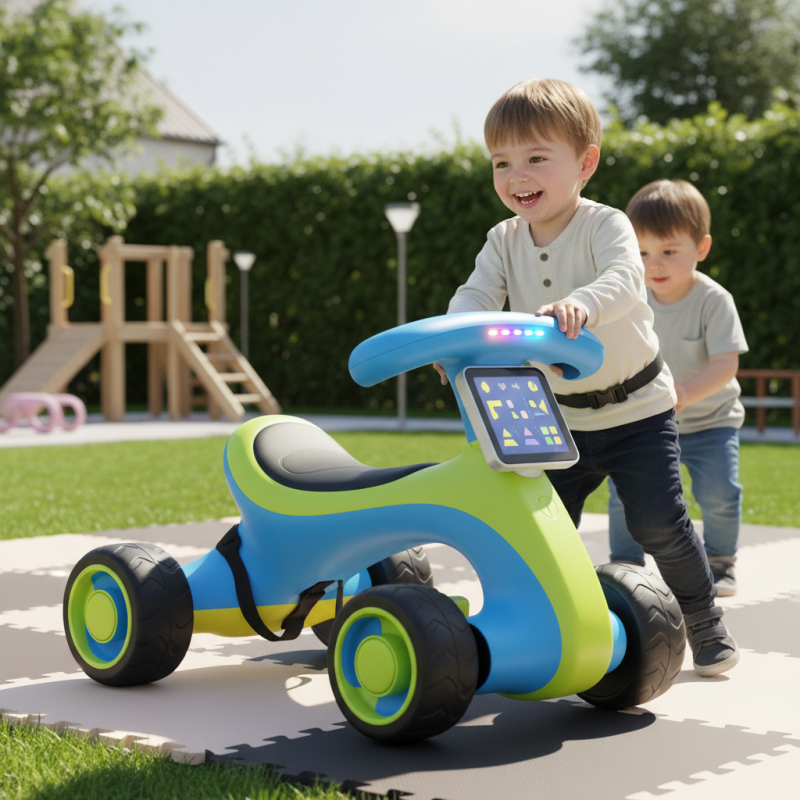
Top Features Parents Need in Ride On Toys for 2026?

Essential Safety Features for Ride On Toys in 2026

When considering ride-on toys for 2026, safety features are paramount. Parents should prioritize toys designed with secure harnesses and sturdy frames. These features protect your child during playtime. Additionally, look for models with safe braking systems. A reliable brake can prevent accidents when your child is riding downhill or gaining too much speed.

It's essential to scrutinize the materials used in these toys. Non-toxic, durable materials not only ensure longevity but also safeguard children's health. Avoid toys that might have small parts, as they can be choking hazards. Inspect for sharp edges or loose components. Regular maintenance checks can help identify wear and tear.

Tips for parents: Always supervise your children while they play. Teach them about the safe operating methods of their ride-on toys. Ensure they wear helmets if the toy is motorized. Encourage your kids to play in safe areas away from traffic. Understanding toy safety helps prevent potential risks and enhances their experience.

Durability and Quality Materials Parents Should Look For

When choosing ride-on toys for children, durability and quality materials are crucial. Parents should prioritize toys made from robust plastic or wood. Such materials withstand rough play and the inevitable bumps and scrapes during outdoor adventures. Toys with a sturdy frame ensure safety during use. Low-quality toys can break easily, posing risks to young riders.

Parents must also consider how the materials feel to their children. Smooth finishes reduce the chance of splinters or cuts. Non-toxic paints and coatings are essential for peace of mind. Even small details, like reinforced wheels, enhance the overall sturdiness. A reliable toy lasts through many seasons of play. However, it’s vital to read reviews. Some toys may appear durable but fail under heavy use.

While evaluating options, also think about weight limits. Some ride-on toys may not support heavier children well, leading to wear and tear. It’s easy to overlook this detail. Inspecting materials closely is a responsible step parents can take. Asking for recommendations from trusted sources can guide towards the best choices in this evolving market.

Top Features Parents Need in Ride On Toys for 2026

This chart displays the vital features that parents prioritize when selecting ride-on toys for 2026. Durability and quality materials are at the top of the list, emphasizing the need for toys that last and provide safety for children.

Innovative Technology Enhancements for Modern Ride On Toys

In 2026, ride-on toys will embrace innovative technology. These advancements will enhance safety, entertainment, and educational value. Parents are looking for features that ensure fun while prioritizing their children's well-being.

One important feature is remote control for parental oversight. This allows parents to engage from a distance. Kids can enjoy independence while staying safe. Additionally, advanced sensors can prevent collisions. Such technology will help kids navigate safely in crowded spaces.

Another trend is connectivity. Ride-on toys may include apps that track playtime and provide learning activities. This gives parents insights into their kids' engagement. Interactive features, like story modes or challenges, can keep children entertained longer. Yet, it’s essential to ensure these toys do not become overly complicated. Sometimes, simplicity is more enjoyable.

Tips for choosing the right ride-on toy include checking for durable materials and safety certifications. Ensuring the toy meets age and weight recommendations is crucial. Consider engaging features that stimulate creativity but avoid overstimulation. Balance is key. Choose toys that support both fun and learning, creating memorable play experiences.

Design Considerations: Style and Ergonomics for Young Riders

For parents selecting ride-on toys in 2026, the design must prioritize both style and ergonomics. Research shows that kids need toys that are inviting and comfortable. A 2021 study found that 78% of parents prefer toys that promote active play. Ride-on toys should entice younger riders with vibrant colors and modern designs while ensuring they support ergonomic play. Toys that allow ample legroom and easy grip features reduce the risk of discomfort during use.

When choosing ride-on toys, look for designs with adjustable seats. This feature accommodates different heights and provides better support as children grow. A report by the American Academy of Pediatrics states that proper posture is crucial for young riders. Ensuring toys promote it can enhance the riding experience.

Tips: Always check weight limits. Overloaded toys can be unsafe. Regularly inspect toys for wear and tear, as damaged parts can lead to accidents. Observe how your child interacts with the toy. If they struggle to maneuver, the toy may lack proper ergonomic support. These practical steps contribute to safer and more enjoyable rides.

Age Appropriateness and Weight Limits for Safe Playtime

When selecting ride-on toys, safety considerations are paramount. One key aspect is age appropriateness. Each toy should match the developmental stage of the child. For instance, younger children require simpler designs that prioritize balance. In contrast, older kids may benefit from more features. Understanding these dynamics is essential for enjoyable and secure play.

Weight limits also play a crucial role. If a toy exceeds its weight capacity, it can become unstable. This can lead to accidents and injuries. Parents should ensure the chosen toy can safely support their child’s weight. Just because a child is tall doesn’t mean they’re ready for more advanced toys. Reflect on your child’s unique needs when making a choice.

Tips for choosing the right ride-on toy include checking safety certifications. These labels signify compliance with safety standards. Also, observe how your child interacts with their toys. Do they seem comfortable? Are they enjoying themselves? Engaging in play should never feel daunting. Take these moments to assess their preferences and capabilities, fostering a positive play experience.

Top Features Parents Need in Ride On Toys for 2026

Feature Description Age Appropriateness Weight Limit (lbs)
Safety Features Includes seat belts, anti-tipping design, and rounded edges for protection 2-5 years 60
Durability Made from high-quality materials to withstand rough use 3-6 years 75
Battery Life Long-lasting battery for extended playtime 4-8 years 120
Design and Aesthetics Engaging designs to capture children's interest 2-6 years 70
Ease of Use Simple controls suitable for young children to operate 2-4 years 50

FAQS

: What materials should parents look for in ride-on toys?

: Parents should choose durable materials like robust plastic or wood. These withstand rough play and bumps.

Why is the feel of materials important?

Smooth finishes prevent splinters and cuts. Non-toxic paints provide peace of mind for parents.

How do weight limits affect safety?

Exceeding weight limits can make toys unstable. Parents should ensure the toy supports their child's weight.

What technology features should parents consider?

Remote control for safety, collision sensors, and apps for play tracking can enhance the experience.

How does age appropriateness influence toy choice?

Younger children need simpler designs to maintain balance. Older kids may benefit from toys with more features.

Are there any potential downsides to modern ride-on toys?

Some toys may become overly complicated. Simpler designs often provide a more enjoyable experience.

How can parents assess their child's comfort with a toy?

Observe how your child interacts with the toy. Ensure they seem comfortable and engaged during playtime.

What role do safety certifications play?

Safety certifications indicate that toys comply with standards. Always check for these labels when choosing a toy.

Conclusion

When considering what features parents should look for in ride on toys, safety stands at the forefront. Essential safety features in 2026 include reliable brakes, stable bases, and secure seating to ensure children's protection during play. Additionally, the durability and quality of materials used in these toys are critical, as they not only extend the lifespan of the toy but also contribute to overall safety. Parents should opt for products made from non-toxic, resilient materials that can withstand rough play.

Moreover, innovative technology enhancements are redefining modern ride on toys, offering interactive experiences and improved functionality. Design considerations, such as style and ergonomics, play a significant role in appealing to young riders while ensuring comfort and ease of use. Lastly, understanding age appropriateness and adhering to weight limits are vital for safe playtime, ensuring that toys are suitable for the child's developmental stage and physical capabilities. Collectively, these features guide parents in making informed choices for their children's ride on toy purchases.

Amelia

Amelia

Amelia is a seasoned marketing professional with a wealth of expertise in our company’s core offerings. With an unwavering passion for driving growth and innovation, she plays a pivotal role in shaping our marketing strategies and enhancing brand visibility. A key aspect of her responsibilities......