 KTG Car
KTG Car
KTG Car
Choosing the right ride on toy for kids can be overwhelming. With so many options available, parents need to make informed decisions. Understanding how to choose the right ride on toy for kids is crucial for safety and enjoyment.
When selecting a toy, consider age appropriateness. Toys should match your child’s developmental stage. Safety features are non-negotiable. Look for sturdy materials and reliable brakes. The size of the toy matters too; it should offer comfort and control for your child.
Parents often overlook the importance of play value. Look for toys that encourage imaginative play. They support creative thinking and physical activity. Balance these features with your budget. A more expensive toy may not always be better. Ultimately, trust your instincts and observe your child’s preferences. This personal touch can guide you to the perfect choice.
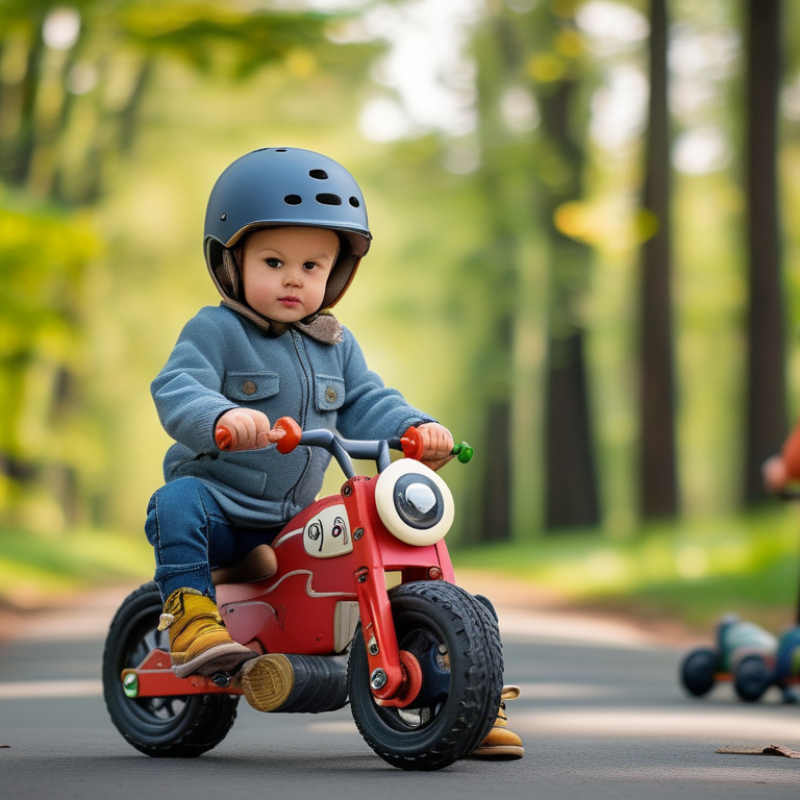
When exploring ride-on toys, it's essential to understand the various types available. Each toy serves a unique purpose and can cater to different age groups. For infants, push toys provide stability as they learn to walk. Toddlers may enjoy simple scooters, which require balance and coordination. Meanwhile, older kids might prefer electric ride-ons that offer speed and excitement.
Consider the benefits of each type of ride-on toy. Push toys can help improve gross motor skills, while balance bikes enhance coordination. Electric ride-ons can boost confidence as kids navigate their surroundings. However, safety must not be overlooked. Some toys may require supervision, especially for younger children. Choose toys made from durable materials to ensure longevity.
While it's easy to get drawn into flashy designs, practicality should guide your choice. Look for toys that can grow with your child. Features like adjustable seats or removable components are beneficial. Reflect on your child's interests and developmental stage before making a decision. Not all ride-ons are suitable for every child, so take your time to evaluate each option carefully.
| Tip | Type of Ride-On Toy | Benefits |
|---|---|---|
| 1. Consider the Age | Pedal Cars | Enhances coordination and physical strength |
| 2. Weight Limit | Electric Ride-Ons | Ensures safety and stability |
| 3. Indoor vs Outdoor Use | Scooters | Versatile and promotes active play |
| 4. Safety Features | Balance Bikes | Encourages balance without training wheels |
| 5. Durability | Tricycles | Long-lasting investment for years of use |
| 6. Maintenance | Push Cars | Minimal upkeep and easy to clean |
| 7. Learning Opportunities | Ride-On Robots | Encourages imaginative play and creativity |
| 8. Size of Toy | Compact Ride-Ons | Perfect for smaller spaces |
| 9. Style Preferences | Themed Ride-Ons | Encourages engagement and excitement |
| 10. Budget Considerations | Affordable Options | Variety of choices for every price range |
: Push toys are ideal for infants. They provide stability as babies learn to walk.
Scooters promote balance and coordination. Toddlers can improve their motor skills while having fun.
Electric ride-ons provide excitement and speed. They can also boost a child's confidence while navigating.
Look for high-quality plastics or metals. These materials withstand wear and tear effectively.
Check for safety certifications and inspect for sharp edges. Review customer feedback about durability and safety.
These toys enhance physical coordination and cognitive skills. They encourage problem-solving and motor skills development.
Features like adjustable seats and sturdy wheels are essential. They ensure the toy can grow with your child.
Riding together fosters communication and sharing. Observing playtime can reveal social dynamics among children.
Reflect on your child’s interests and developmental stage. Not all toys suit every child's needs perfectly.
While they attract attention, practicality is more important. Look for toys that provide real developmental benefits.
Choosing the right ride-on toy for kids is essential for ensuring a safe and enjoyable experience for young riders. To effectively navigate this decision, it’s important to understand the different types of ride-on toys available and their benefits, as each type serves distinct age groups and developmental needs. Age-appropriate guidelines can help parents select the right toy that matches their child's size and abilities, thus promoting safety and enjoyment.
In addition, one should consider key safety features such as sturdy construction, non-toxic materials, and appropriate weight limits to protect children during play. Evaluating the durability and quality of materials ensures that the toy can withstand regular use, making it a worthwhile investment for long-term enjoyment. Lastly, assessing the developmental skills promoted by various ride-on toys can aid in selecting options that contribute positively to a child's growth and learning. By considering all these factors, parents can confidently determine how to choose the right ride-on toy for kids.
