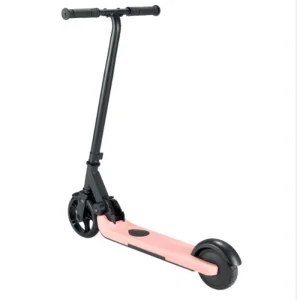
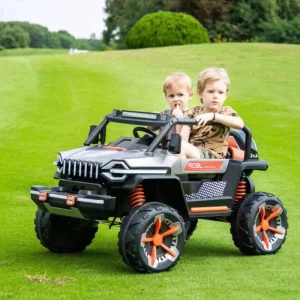
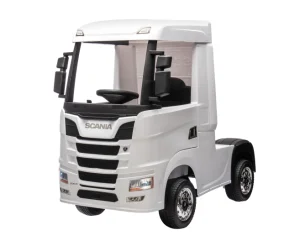
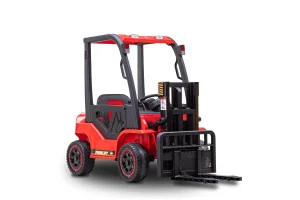
KTG Car
KTG Car
KTG Car
Compliant, highly certified, and ready for global custom orders
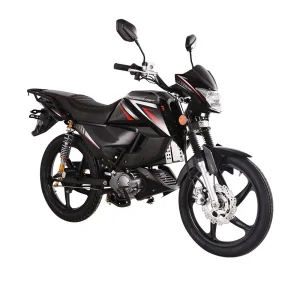
As urban environments adapt to carbon-neutral paradigms, the niche of youth electric micro-mobility is experiencing a structural revolution. Global retailers, distributors, and bulk purchasers are focusing on safety compliance, long-term battery performance, and supply chain continuity. This whitepaper analyzes the technology roadmap, regulatory compliance (specifically CE marking), and logistical challenges associated with sourcing high-grade CE certified electric mini bikes.

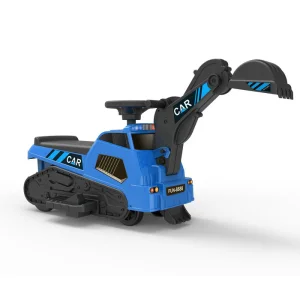
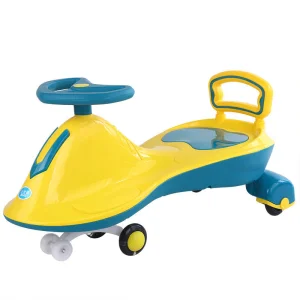
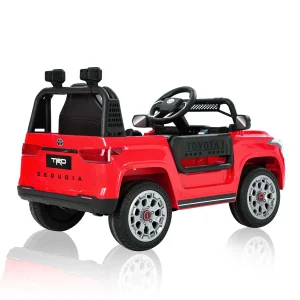
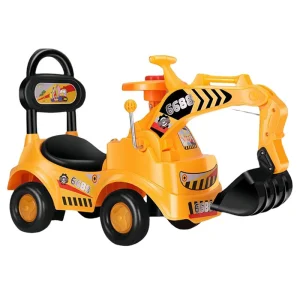
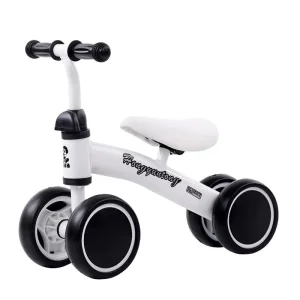
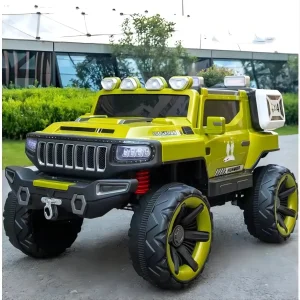
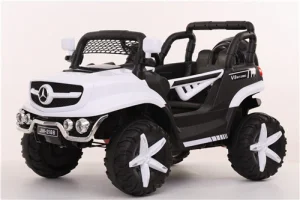
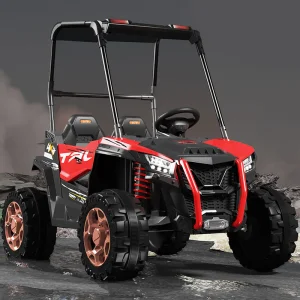
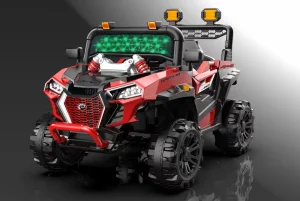
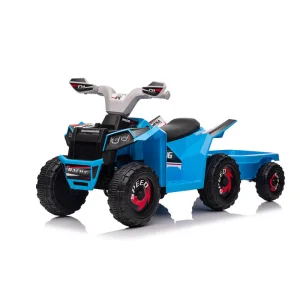
Foshan KTG Car Co., Ltd. is a specialized kids ride on car manufacturer dedicated to the design, production, and global supply of electric ride-on toys, licensed children’s vehicles, and electric mini bikes. Located in Foshan, one of China’s key manufacturing hubs for toy and baby products, the company benefits from a well-established industrial supply chain and efficient production capabilities.
For procurement officers, buying directly from reliable manufacturers who control the design, fabrication, and testing phases is key. Foshan KTG Car Co., Ltd. integrates an experienced R&D team with certified validation laboratories. This allows clients to build custom OEM models, branding, and specifications tailored to local regulatory conditions.
The Toy Safety Directive (TSD) governs mechanical safety, chemical migration limits, flammability, and physical hazards. Electric mini bikes designed for children under 14 must meet these rules to prevent choking, trapping, or structural collapse under load.
EN71 (Parts 1-3) specifies physical strength and low toxic compound migration. EN62115 covers electric safety: insulation resistances, over-voltage limits, and thermal runaway prevention to avoid heating or short-circuit issues.
Electromagnetic Compatibility (EMC Directive 2014/30/EU) limits interference with radio and wireless networks. RoHS restricts hazardous materials (lead, mercury, cadmium) in circuit boards and battery assemblies.
Non-compliant electric vehicles pose risks of customs seizures, fines, and recalls. KTG Car manages quality control by sourcing certified, fire-retardant materials, testing electrical circuits under extreme loads, and ensuring our supply chain matches CE standards.
Selecting the appropriate battery chemistry depends on target market positioning:
Reliability and driving feel rely on the motor configuration and chassis design:
The Chinese manufacturing sector has moved from low-cost assembly to highly automated Smart Factory models. KTG Car operates out of Foshan, a major industrial cluster, allowing it to leverage nearby component networks.
Production involves automated plastic injection molding, precision chassis welding, and multi-stage electrical testing. Standard testing includes battery load stress checks, motor dyno testing, and drop tests on outer casings to verify impact resistance.
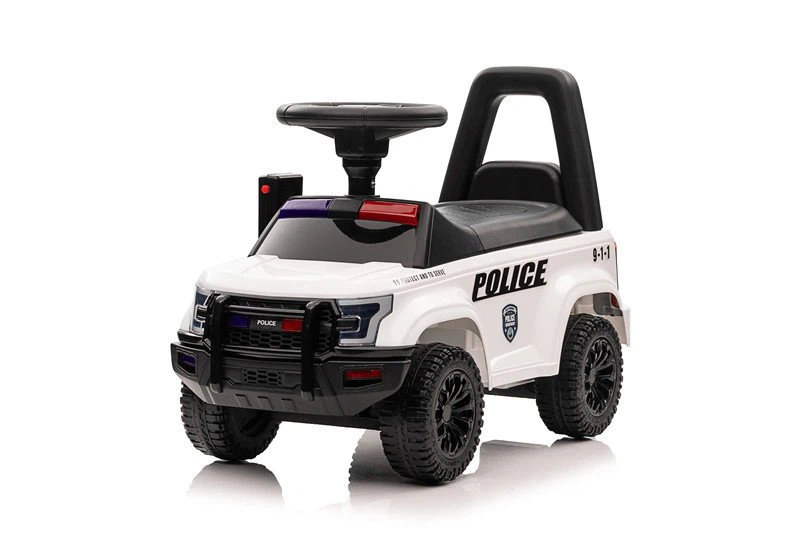
By sourcing components locally—including microcontrollers, gearboxes, wiring harnesses, and premium plastics—we minimize international transport costs and protect our supply chain from disruptions. For B2B clients, this ensures consistent pricing, predictable delivery times, and stable production lines.
Importing electric mini bikes requires managing regional standards, tariff structures, and specific distribution needs.
Requires strict compliance with ASTM F963 (toy safety specs), CPSIA chemical tracking, and UL battery safety validation. RF controllers must meet FCC Section 15 guidelines.
Focuses on EN71 physical and mechanical properties, EN62115 safety of electric toys, and REACH chemical registration. UK importers require UKCA compliance.
For platforms like Amazon, drop-test-ready packaging (ISTA-6 standard) is necessary to protect units during direct-to-consumer delivery, reducing return rates.
KTG Car supports B2B buyers with various freight preparations, offering Semi-Knocked-Down (SKD) packaging to maximize container volume, or Completely-Knocked-Down (CKD) configurations for regions with lower tariffs on unassembled kits.
The micro-mobility industry is shifting toward smart connectivity, green materials, and higher efficiency. Manufacturers must prepare for future changes in consumer expectations.
Future models will integrate cellular and Bluetooth IoT modules, allowing parents to set speed limits, define geofences via mobile app, and track location. Integrated firmware diagnostics will simplify troubleshooting for distributors and end-users alike.
Environmental regulations are pushing the market toward post-consumer recycled (PCR) resins and bio-based plastics. Future chassis designs will prioritize tool-less disassembly, simplifying battery recycling and material sorting at end-of-life.
High durability construction, optimized electronics, and certified safety
To qualify for a CE mark, an electric toy or mini bike must comply with the EN71 and EN62115 standards. This involves insulating all electrical wiring, enclosing the battery compartment with child-resistant locks, limiting the maximum operating voltage to 24V DC, ensuring non-toxic chemical formulations for plastics, and integrating overload/short-circuit protection systems.
We offer comprehensive OEM/ODM services. Our team assists with custom body designs, 3D CAD modeling, and mold engineering. Clients can select battery configurations (such as SLA or Lithium), customize remote control systems, adjust suspension setups, and add custom graphics or brand logos.
Our typical MOQ varies from 50 to 100 units per model, depending on customization requirements. Production lead times average 30 to 45 days after deposit confirmation, which includes assembly, testing, and container loading at ports in Guangzhou or Shenzhen.
Our BMS actively monitors cells to prevent over-voltage during charging and under-voltage during operation. Built-in thermal sensors shut down power if temperatures exceed safe limits, reducing risks of thermal runaway.
Lithium batteries are classified as Class 9 Dangerous Goods for international transport. We package and ship all vehicles with UN38.3 certification, MSDS reports, and drop-tested shipping cartons to ensure safe, compliant customs clearance.
Many models feature a 2.4G wireless remote control with parental override. This allows parents to control steering, adjust speed settings, and engage emergency braking overrides from up to 30 meters away.