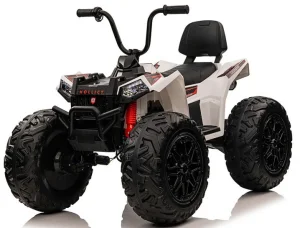
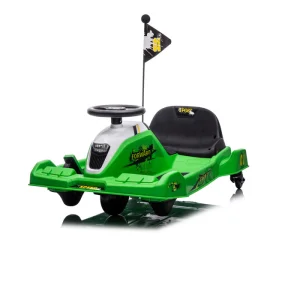
KTG Car
KTG Car
KTG Car
Discover our top-tier export models engineered with state-of-the-art battery configurations, robust chassis constructions, and strict safety limits tailored for international distributors and importers.
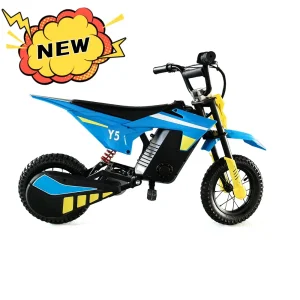
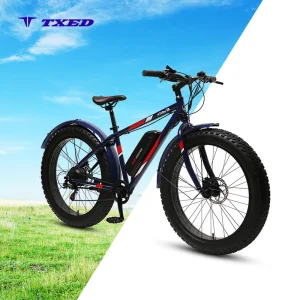
Foshan KTG Car Co., Ltd. is a specialized kids ride on car manufacturer dedicated to the design, production, and global supply of electric ride-on toys and licensed children’s vehicles. Located in Foshan, one of China’s key manufacturing hubs for toy and baby products, the company benefits from a well-established industrial supply chain and efficient production capabilities.
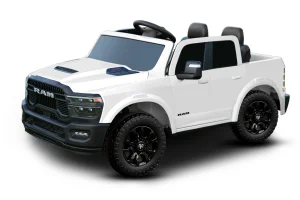
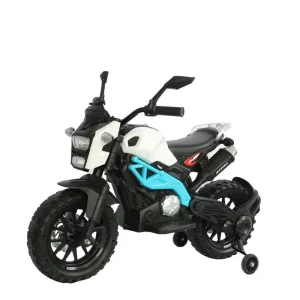
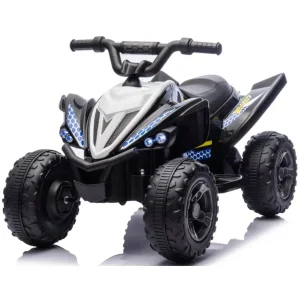
KTG Car focuses on a wide range of products, including battery-powered ride-on cars, licensed replica vehicles, electric motorcycles, and multifunctional ride-on toys designed for children of different age groups. These products typically feature realistic styling, remote control functions for parental supervision, and safety components such as seat belts and stable drive systems, aligning with common industry standards for kids electric vehicles.
With an experienced R&D team, KTG continuously develops innovative designs that combine entertainment, safety, and durability. The company supports OEM and ODM services, allowing international clients to customize models, branding, and specifications based on target market demands. Strict quality control procedures and compliance with international safety standards ensure reliable product performance. Foshan KTG Car Co., Ltd. is committed to delivering engaging, safe, and high-quality ride-on solutions, building long-term partnerships with distributors, retailers, and e-commerce clients worldwide.

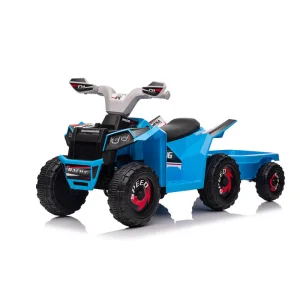
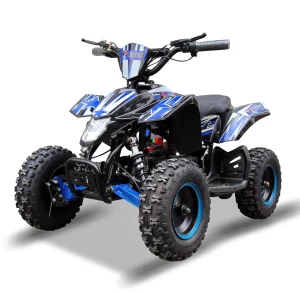
The global off-road vehicle market is undergoing a rapid transition toward clean energy electrification. No longer restricted to simple novelty toys, modern electric quad bikes (ATVs) are expanding into utility, agriculture, eco-tourism, and high-performance youth recreational sports. Navigating this evolution requires understanding three core technological pillars:
The shift from sealed lead-acid (SLA) batteries to High-Density Lithium-Iron Phosphate (LiFePO4) or Nickel Manganese Cobalt (NMC) packs. This transition reduces net vehicle weight by up to 35%, triples the usable cycle life (up to 1,500 charges), and supports smart Battery Management Systems (BMS) with thermal protection, over-current cutoff, and cell balancing.
High-torque Brushless DC (BLDC) motors ranging from 500W to 5kW are replacing traditional brushed systems. Controlled via sinusoidal wave vector controllers, they yield up to 90% energy efficiency, programmable acceleration curves, and regenerative braking loops, reducing wear on hydraulic braking calipers.
Modern premium quads integrate Bluetooth, GPS tracking, and wireless RF overrides. Rental operators and parents can set geo-fenced boundaries, govern speed limits via smartphone applications, and read diagnostic trouble codes (DTCs) in real time over secure IoT networks.
For B2B buyers, sourcing quality products requires balancing safety regulations, logistical efficiencies, and mechanical parameters. Enterprise clients look for manufacturers that fulfill strict commercial frameworks:
Chinese manufacturers are shifting focus from simple product supply to providing integrated, vertical-industry hardware solutions:
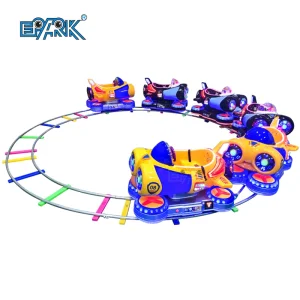
Turnkey fleets featuring customized speeds, magnetic card ignition systems, geo-fenced safety controls, and coin-operated operation mechanisms. Ideal for theme parks, indoor play facilities, and go-kart courses.
End-to-end OEM customization for brand owners. Includes bespoke injection-mold body panels, custom pantone matching, branded decals, custom user manuals, and tailored shipping boxes designed to pass rigorous ISTA drop tests.
Zero-emission, low-noise electric utility quads equipped with heavy-duty cargo racks, trailer hitches, and all-terrain tires. Perfect for hotels, nature reserves, and farming applications where quiet operation is required.
Entering strict regulatory zones requires deep familiarity with local consumer safety and environmental protections. Premium manufacturers prioritize these compliance frameworks:
Compliance with ASTM F963 (toy safety), CPSIA lead and phthalate limits, UL2272/UL2580 battery standards, and FCC Part 15 subpart B emissions regulations.
Compliance with CE Marking directives, EN71 (Parts 1, 2, and 3), RoHS environmental standards, and EN62115 safety specifications for electric toys.
Providing essential documentation like UN38.3 test reports, Material Safety Data Sheets (MSDS), and sea/air transport hazard assessments for lithium battery cargo.
As off-road micro-mobility enters a new era, next-generation product designs focus on sustainable, smart, and safe technology:
Deploying smart vector controllers and highly efficient BLDC motors to optimize torque output. Replacing lead-acid batteries with high-performance lithium setups across entry-level youth platforms.
Rolling out factory-integrated 4G/LTE telematics, remote cloud diagnostic portals, over-the-air (OTA) firmware updates, and app-based speed-limiting and remote shutdown features.
Integrating sonar/radar collision avoidance, auto-braking sensors, and roll-over protection systems. Moving toward circular economies with recycled HDPE plastics and highly repairable, modular drivetrains.
Find authoritative answers to common inquiries from commercial buyers, distributors, and supply chain managers.
Expand your product catalog with high-performance tracking trains, heavy-duty utility tractors, and drift cars engineered for recreation, amusement facilities, and residential retail.