KTG Car
KTG Car
KTG Car
Foshan KTG Car Co., Ltd. is an industry-leading, specialized kids ride-on car manufacturer dedicated to the research, development, high-end design, production, and global distribution of kids' electric ride-on toys, push slide plays, and licensed children's vehicles. Strategically headquartered in Foshan, Guangdong Province—a foundational epicenter of China's toy and infant-product supply chain—the company leverages advanced manufacturing clusters and deep regional industrial integration to deliver premier products worldwide.
By prioritizing state-of-the-art engineering, realistic detailing, parental security mechanisms, and ergonomic controls, KTG Car has established itself as an authoritative partner for top-tier distributors, global e-commerce platforms, and retail giants. Offering highly integrated OEM and ODM support, KTG customizes materials, branding, aesthetic packages, and regional compliance specifications to align precisely with international regulatory requirements and local market trends.
"Through continuous design iteration and vertical supply chain optimization, KTG Car represents the pinnacle of Chinese smart manufacturing, bridging safety with play-based child development."

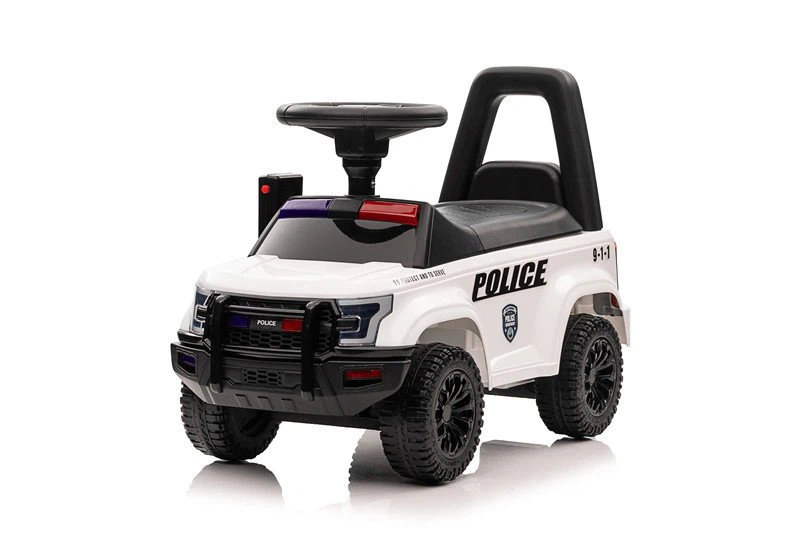
Explore our curated selection of high-demand ride-on vehicles engineered for structural safety, realistic aesthetics, and active motor-skill development.
In a saturated global toy market, generic B2B listings fail to address the core risks faced by procurement executives, retail category buyers, and e-commerce brand owners. When search queries evaluate a "push ride on cars manufacturer", the underlying search intent is not merely to discover low unit costs, but to address structural durability, chemical safety compliance, liability mitigation, and shipping container volumetric efficiency. This whitepaper goes beyond surface-level reviews to analyze the underlying plastic engineering, structural stress points, and logistics matrices that govern this sector.
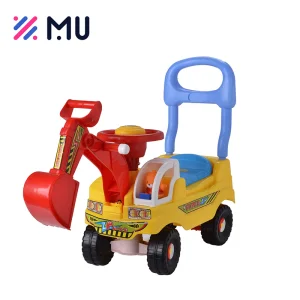
Push ride-on cars, particularly those utilized by toddlers aged 1 to 4, serve as critical developmental instruments. They bridge the gap between stroller confinement and independent mobility, accelerating spatial awareness, muscle memory, and bilateral coordination. Manufacturers must analyze these developmental requirements, converting them into engineering parameters such as ergonomic seat pitches, slip-resistant steering grips, and roll-over prevention systems. At KTG Car, our physical simulations account for center-of-gravity shifts during downhill coasting to guarantee that the chassis geometry resists roll-overs under typical dynamic loads.
How state-of-the-art automation, strategic sourcing, and quality checkpoints drive competitive lead times and cost-efficiencies.
Utilization of high-tonnage automated injection molding systems ensuring parts density, zero structural warpage, and strict adherence to geometric tolerances (+/-0.1mm).
Exclusive use of high-impact virgin Polypropylene (PP) and high-density polyethylene (HDPE). Phthalate-free, BPA-free, and resistant to UV degradation.
Integrated cell manufacturing setups allow for rapid tool swapping and flexible shifts between push-car lines and electric vehicle configurations.
The convergence of toy safety standards, environmental policies, and digital technology is driving a profound evolution in the push ride-on car market. Looking toward 2026 and beyond, the technological roadmap for premium push cars focuses on structural sustainability and hybrid mobility mechanisms.
We are actively developing and deploying the following next-generation technical iterations:
For large-scale retail operators and global toy brand holding companies, managing a diverse catalog of high-volume SKUs presents significant logistical and merchandising challenges. Our macro solutions focus on SKU rationalization, platform sharing, and multi-functional designs.
Instead of deploying distinct tooling paths for every model, we apply a modular chassis platform. The base steering, floor pan, and axle configurations are shared across multiple body panels—ranging from retro racers to licensed pickup styles. This strategy lowers capital investment requirements for custom tooling, reduces minimum order quantities (MOQs), and accelerates manufacturing turnaround, helping clients quickly capitalize on emerging consumer trends.
Global distribution demands strict compliance with regional safety frameworks. Our dedicated regulatory affairs department coordinates with third-party testing laboratories (SGS, TÜV Rheinland, Intertek) to ensure that every production run complies with target market standards prior to port clearance:
Verifies mechanical strength, sharp edges, torque/tension testing of component parts, and enforces strict limits on lead, phthalates, and flame retardants in plastics.
Mandates chemical migration limits of heavy metals, strict physical dimension constraints to prevent choking risks, and dynamic stability testing under load.
Aligns toys with regional mechanical safety testing, ensuring load capability limits and wheel tracking stability for outdoor terrain safety.
Ensures compliance with Gulf Technical Regulations, verifying electrical shielding for battery-assisted units and chemical safety parameters.
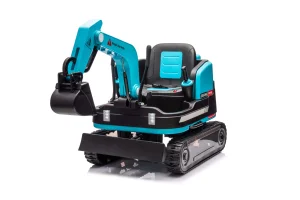
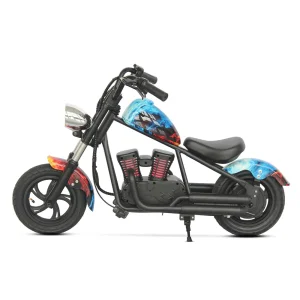
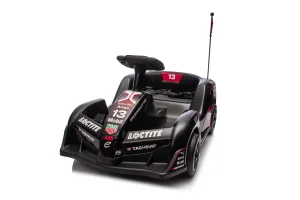
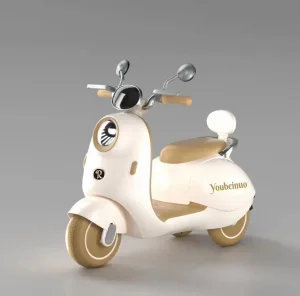
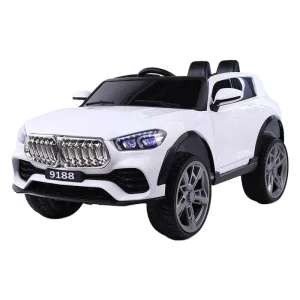
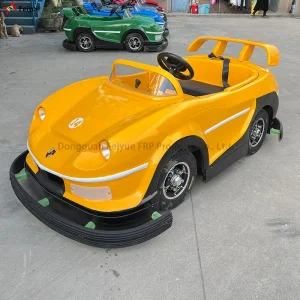
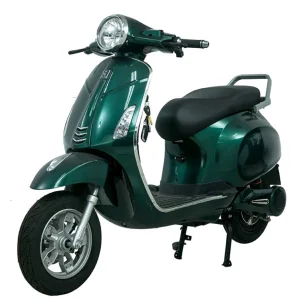
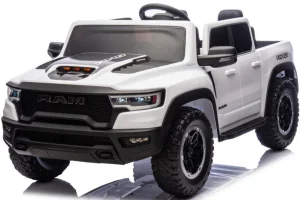
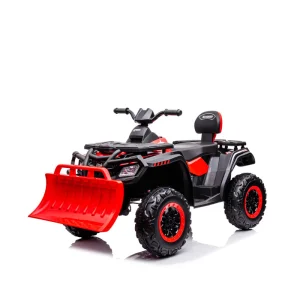
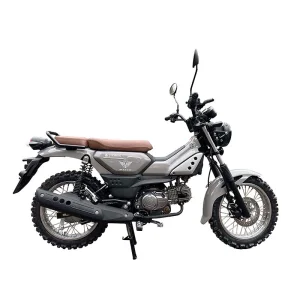
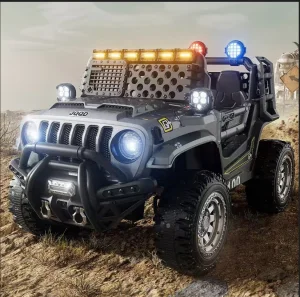
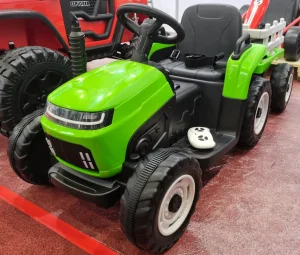
An extensive range of battery-powered models, dual-seat drift karts, mini motorcycles, and rugged utility-style vehicles for global B2B procurement.
Purchasing ride-on vehicles at scale involves navigating several key challenges. When selecting a push ride-on cars manufacturer, corporate buyers prioritize supply chain reliability, customized branding, logistics support, and robust after-sales assistance. Addressing these areas is critical to a successful sourcing partnership.
Addressing crucial operational, logistical, and technical queries from international trade partners and buyers.
For custom body modifications, color combinations, and custom decals, our standard MOQ is typically 100 to 200 units per model, depending on the configuration. For standard catalog models with packaging customizations, smaller trial runs can be accommodated based on factory production schedules.
We use high-impact virgin Polypropylene (PP) and HDPE directly from certified chemical suppliers. Each material batch is traced and undergoes regular chemical migration testing. Testing verifies the absence of heavy metals (lead, mercury, cadmium), phthalates, and bisphenol-A (BPA), in compliance with EN71 Part 3 and ASTM F963.
Our standard production lead time is 30 to 45 days after deposit confirmation and packaging artwork finalization. Peak season orders (July through October for Christmas stocking) require pre-booking or scheduled rolling contracts to ensure production line availability.
Yes. We conduct structural drop tests (ISTA 1A/3A packaging standards) in our internal laboratory. This ensures that retail cartons survive courier transits and warehouse drop impacts, significantly reducing returns for e-commerce retailers.
We offer FOB Shenzhen or FOB Guangzhou shipping terms. Our dedicated logistics team coordinates with nominated freight forwarders to handle custom clearance, export documentation, and container loading. We also assist with consolidated LCL shipping for multi-product retail buyers.